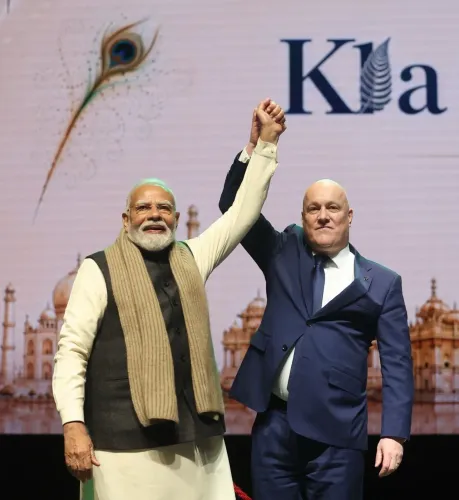
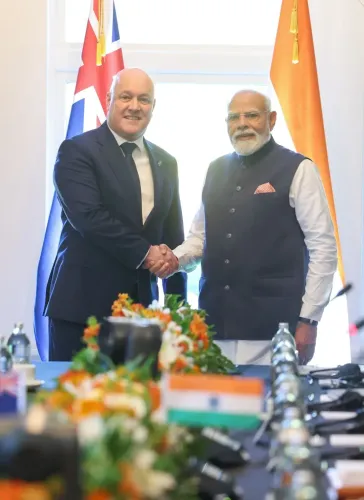
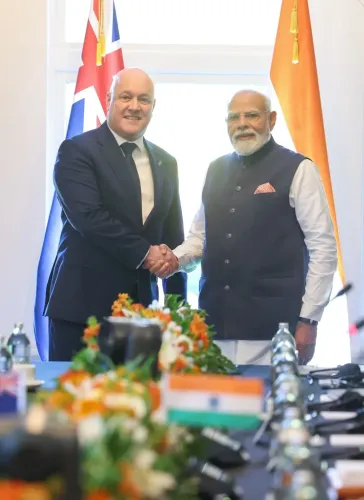
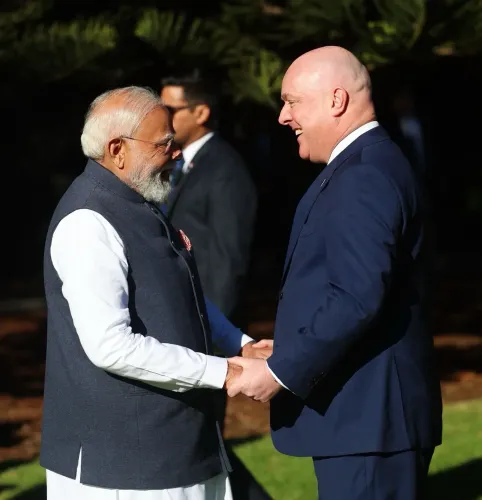
PM Modi Wraps First India-NZ PM Visit in Four Decades
Synopsis
Prime Minister Narendra Modi concluded a historic visit to New Zealand on 11 July 2026 — the first by an Indian PM in over four decades — thanking PM Christopher Luxon and announcing an elevation of bilateral ties. The visit signals a new chapter in India-New Zealand relations spanning trade, security, and diaspora links.
Key Takeaways
Prime Minister Narendra Modi visited New Zealand in July 2026 , the first such visit by an Indian Prime Minister in over four decades .
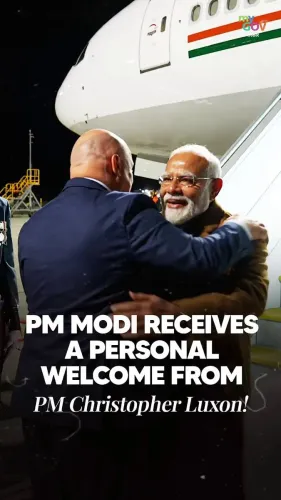
Modi thanked PM Christopher Luxon and the people of New Zealand for 'exceptional warmth' during what he called a 'fruitful visit'.
India and New Zealand announced a decision to elevate their bilateral ties to a higher partnership level.
The two countries have maintained education, migration, and dairy trade links, with free trade agreement negotiations dating back to 2010 .
Follow-up trade and defence engagements are expected in the months following the visit.
The Indian diaspora in New Zealand , along with agricultural and defence stakeholders, are among the key beneficiaries to watch.
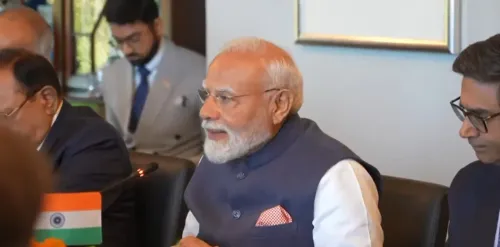
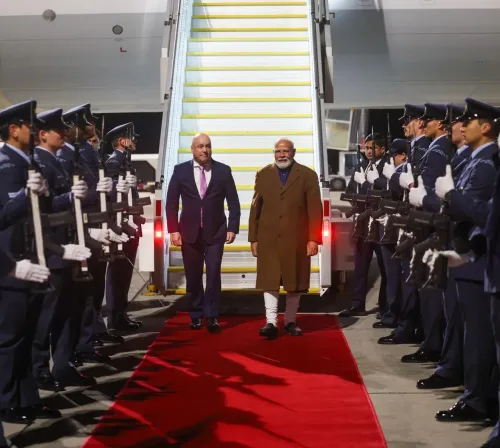
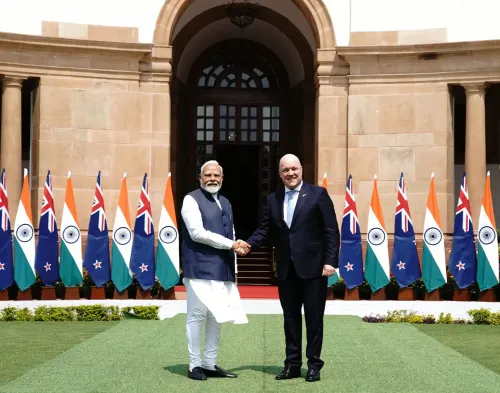
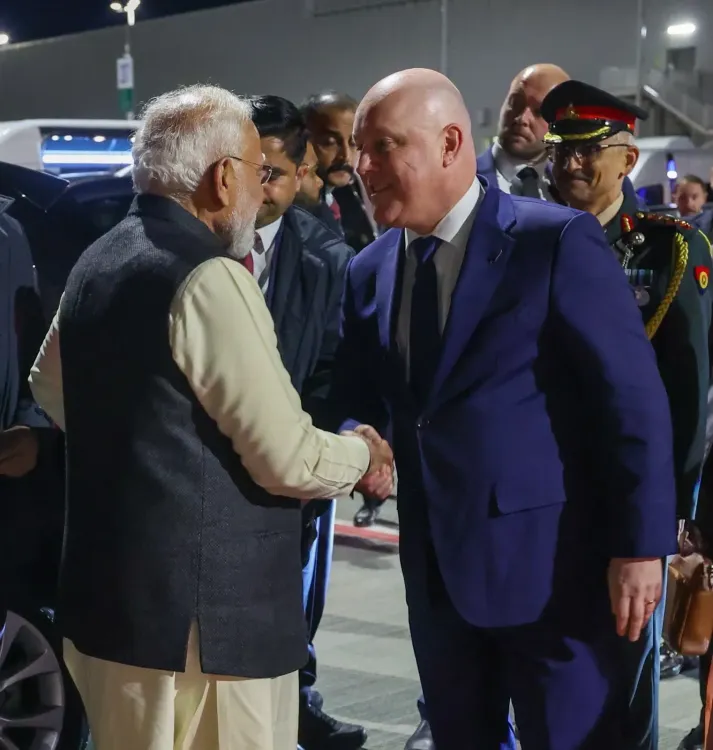
Prime Minister Narendra Modi on Saturday, 11 July 2026 expressed gratitude to New Zealand Prime Minister Christopher Luxon and the people of New Zealand following the conclusion of a landmark bilateral visit — the first by an Indian Prime Minister in over four decades — and announced an elevation of ties between the two nations.
Context
Posting on X, Prime Minister Modi called the visit 'fruitful' and acknowledged the 'exceptional warmth' extended by the Luxon government and New Zealand's people. He noted that the trip 'has opened an important new chapter in our relations' and confirmed a mutual decision to elevate bilateral ties, though the full text of the post was truncated by a link.
The visit marks a significant diplomatic milestone: no Indian Prime Minister had travelled to New Zealand in roughly four decades, making this trip a rare and symbolically weighty engagement between the two Indo-Pacific democracies.
Policy Backdrop
India and New Zealand have maintained steady people-to-people ties — anchored by a large and growing Indian diaspora in New Zealand, strong education links, and agricultural trade, particularly in dairy. The two countries began free trade agreement negotiations as far back as 2010, though a comprehensive deal has remained elusive.
Prime Minister Modi has made stepped-up Indo-Pacific engagement a defining feature of India's foreign policy posture since 2014, pursuing selective high-level visits and economic-security dialogues across the region. Prime Minister Luxon, who took office in 2023 leading a National-led coalition, has similarly sought to diversify New Zealand's trade and strategic partnerships beyond traditional partners.
Stakeholders and Impact
The elevation of bilateral ties is expected to be closely watched by India's large diaspora community in New Zealand, which has long sought stronger institutional links between the two governments. Agricultural exporters on both sides — including New Zealand's dairy sector and India's processed food and pharmaceutical industries — stand to benefit from any acceleration of trade framework discussions.
Defence and security establishments will also be attentive: both countries share membership in regional forums and have aligned interests in a free, open, and rules-based Indo-Pacific order. The visit signals that security cooperation could feature more prominently in the relationship going forward.
What's Next
Follow-up trade and defence talks are expected in the months ahead, including possible parliamentary or ministerial consideration of any new partnership framework announced during the visit. The elevation of ties — the precise contours of which will emerge from official joint statements — is likely to set the agenda for working-level engagements across trade, defence, education, and diaspora affairs.
For India, sustaining momentum from the visit will be key: high-level summits in diplomacy derive their value from the institutional follow-through they generate, and both governments will be under pressure to translate the goodwill of this historic trip into concrete deliverables.
Point of View
The first in over four decades by an Indian Prime Minister, is less a routine diplomatic courtesy and more a deliberate signal of India's expanding Indo-Pacific footprint. By personally making the trip and framing it as opening 'an important new chapter,' Modi is investing political capital in a relationship that has historically punched below its weight. The elevation of ties — coming amid stalled free trade negotiations and growing strategic competition in the Pacific — suggests both sides see value in locking in a framework before regional alignments harden further. Whether the warm optics translate into a revived trade deal or a defence cooperation pact will be the real test of this visit's legacy.
NationPress
11 Jul 2026
Frequently Asked Questions
When did PM Modi visit New Zealand in 2026?
PM Narendra Modi concluded his visit to New Zealand around 11 July 2026 , when he posted his farewell message thanking PM Christopher Luxon and the New Zealand government.
Was this the first visit by an Indian Prime Minister to New Zealand?
According to PM Modi's own post, this was the first visit by an Indian Prime Minister to New Zealand in over four decades , making it a rare and historically significant diplomatic engagement.
What was decided during Modi's New Zealand visit?
India and New Zealand decided to elevate their bilateral ties to a higher level of partnership. The full details of the upgraded framework are expected to emerge from official joint statements issued during the visit.
What are the main areas of India-New Zealand relations?
India and New Zealand share strong people-to-people ties through a large Indian diaspora, education links, agricultural and dairy trade, and growing interest in defence and Indo-Pacific security cooperation. Free trade agreement talks between the two countries began in 2010 .
Who is New Zealand's Prime Minister Christopher Luxon?
Christopher Luxon became Prime Minister of New Zealand in 2023 , leading a National-led coalition government. His administration has focused on expanding trade and strategic partnerships, including with India.