Chirag Paswan backs PMFME Scheme for farmer value addition
Synopsis
Union Food Processing Minister Chirag Paswan on 11 July 2026 highlighted the PMFME Scheme in a reply to PM Modi, arguing that processing local produce raises farmer incomes, generates rural employment and helps small enterprises reach new markets — advancing the Vocal for Local and Viksit Bharat goals.
Key Takeaways
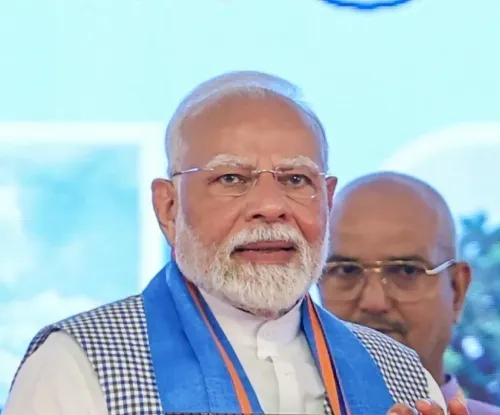
Union Food Processing Minister Chirag Paswan posted on 11 July 2026 , replying to PM Narendra Modi on X.
He stated that processing local produce gives farmers better prices , creates jobs for local youth and opens new markets for small enterprises.
The post champions the PMFME Scheme , launched in June 2020 under the Atmanirbhar Bharat package to formalise micro food processing units.
The Vocal for Local campaign is cited as gaining 'new momentum' through the scheme's implementation.
The post links food processing policy to the Viksit Bharat vision of a developed India by 2047 .
Key beneficiaries identified are small farmers, rural youth and micro food enterprises seeking market access.
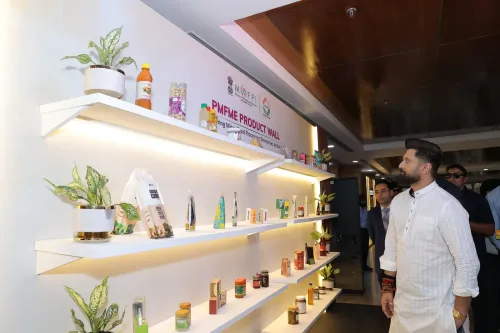
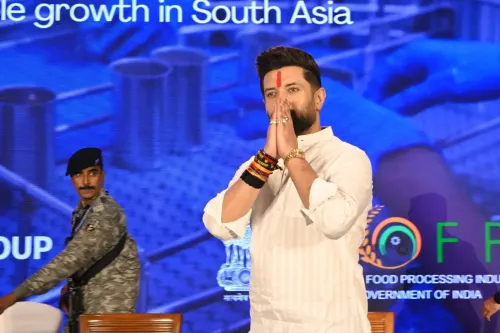
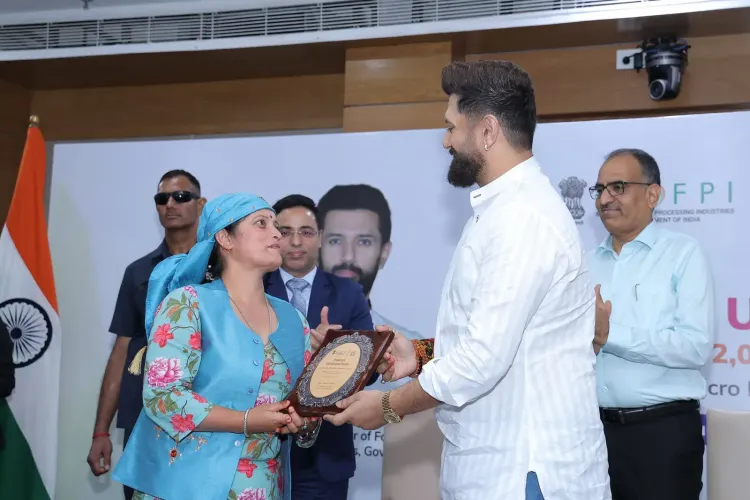
Union Food Processing Minister Chirag Paswan on Saturday, 11 July 2026, underscored the transformative potential of local agri-processing, replying to Prime Minister Narendra Modi on X to highlight how the Pradhan Mantri Formalisation of Micro Food Processing Enterprises (PMFME) Scheme is converting India's agricultural capacity into tangible value for farmers, rural youth and small enterprises.
Context
In his post, Minister Paswan wrote in Hindi: 'जब स्थानीय उपज का प्रसंस्करण होता है, तब किसान को बेहतर मूल्य मिलता है' — 'When local produce is processed, the farmer gets a better price.' He further noted that local youth gain employment and small enterprises reach new markets, framing the PMFME Scheme as the vehicle driving this change. The post closed with the rallying call: 'सशक्त उद्यमी, सशक्त किसान, सशक्त भारत' — 'Empowered entrepreneur, empowered farmer, empowered India.'
The reply to the Prime Minister's account signals a coordinated government messaging effort around food processing as a pillar of the broader Viksit Bharat vision — India's national goal of becoming a developed economy by 2047.
Policy Backdrop
The PMFME Scheme was launched in June 2020 as part of the Atmanirbhar Bharat package, with the specific aim of formalising and upgrading micro food processing enterprises that operate largely outside the organised sector. The scheme offers credit linkages, technical training and improved market access to small producers, targeting the reduction of post-harvest losses that have long eroded farmer incomes.
The Vocal for Local campaign, also elevated by Prime Minister Modi in 2020 during India's economic response to the COVID-19 pandemic, forms the demand-side complement to this supply-side intervention. Together, the two initiatives seek to build domestic supply chains that are both resilient and commercially viable. Paswan's post explicitly invokes both frameworks, linking them to the #ViksitBharat goal.
Stakeholders and Impact
The primary beneficiaries of the PMFME Scheme are small and marginal farmers, micro food enterprises and rural youth seeking non-farm employment in agri-processing clusters. By adding value to raw produce at or near the point of origin, the scheme aims to give farmers a greater share of the final consumer price rather than leaving that margin with intermediaries or large processors.
For small enterprises, formalisation unlocks access to institutional credit and government procurement channels — pathways that were previously difficult to navigate without formal registration. Rural youth, meanwhile, stand to gain from skill development components embedded in the scheme, creating a pipeline of trained workers for an expanding food processing sector.
What's Next
Progress on PMFME credit linkages and cluster development is expected to feature in forthcoming parliamentary sessions, where the Ministry of Food Processing Industries will likely be pressed for updated disbursement and beneficiary data. Allocations for food processing infrastructure in the next Union Budget will also be closely watched as an indicator of the government's fiscal commitment to scaling the scheme.
Minister Paswan's public alignment with the Prime Minister on this agenda suggests the Ministry intends to keep food processing central to the government's rural economy narrative as India moves deeper into the second half of the decade.
Point of View
Tying the Ministry's work visibly to the Modi government's flagship rural-economy narrative. The post's three-part slogan — empowered entrepreneur, empowered farmer, empowered India — mirrors the government's habit of packaging policy in aspirational, election-ready language. Invoking both Vocal for Local and Viksit Bharat in a single post signals that food processing is being positioned not merely as a sectoral priority but as a proof point for the broader Atmanirbhar Bharat project. As the 2047 deadline for Viksit Bharat draws political attention, ministries like Food Processing are under pressure to demonstrate measurable rural impact — making PMFME's performance data increasingly consequential.
NationPress
11 Jul 2026
Frequently Asked Questions
What is the PMFME Scheme and who does it help?
The PMFME Scheme — Pradhan Mantri Formalisation of Micro Food Processing Enterprises — was launched in June 2020 to provide credit, training and market access to small food processing units. It primarily helps small farmers, micro enterprises and rural youth.
What did Chirag Paswan say about the PMFME Scheme?
On 11 July 2026, Minister Chirag Paswan said that processing local produce gives farmers better prices, creates employment for local youth and helps small enterprises reach new markets, crediting the PMFME Scheme for driving this change.
What is Vocal for Local and how does it relate to food processing?
Vocal for Local is a campaign promoted by PM Modi to encourage production and consumption of domestically made goods. In food processing, it encourages value addition to local agricultural produce rather than exporting raw commodities.
What is Viksit Bharat and how does food processing fit into it?
Viksit Bharat is India's national vision to become a developed economy by 2047. Food processing is seen as a key sector for rural industrialisation, reducing post-harvest losses and raising farmer incomes as part of this long-term goal.
How does the PMFME Scheme help farmers earn more?
By supporting local processing of agricultural produce, the PMFME Scheme enables farmers to sell value-added products rather than raw commodities, capturing a larger share of the final consumer price and reducing dependence on intermediaries.