PM SHRI pact traps Kerala with ₹2,000 crore exit cost, says Education Minister
Synopsis
Kerala's Education Minister has confirmed what critics long suspected: the PM SHRI agreement signed by the previous LDF government gives only the Centre the power to walk away. With ₹2,000 crore on the line — including Samagra Shiksha funds — the ruling UDF is now trapped between its own ideological reservations and the fiscal cost of exit.
Key Takeaways
General Education Minister N.
Shamsudheen told the Kerala Assembly on 29 June that the state has no legal right to exit the PM SHRI scheme.
Withdrawal would cost Kerala nearly ₹2,000 crore , including ₹1,000 crore for 304 schools across 152 blocks and ₹1,151.48 crore under Samagra Shiksha .
The minister alleged the previous LDF government signed the agreement without stakeholder consultations; the LDF's own ministerial sub-committee reportedly never met.
The UDF government has reservations over PM SHRI provisions on curriculum autonomy but says it will not allow any Central grant to Kerala's public schools to lapse.
Former Education Minister V.
Sivankutty (CPI-M) countered, accusing the Muslim League and Congress of implementing a scheme the Left had frozen over autonomy concerns.
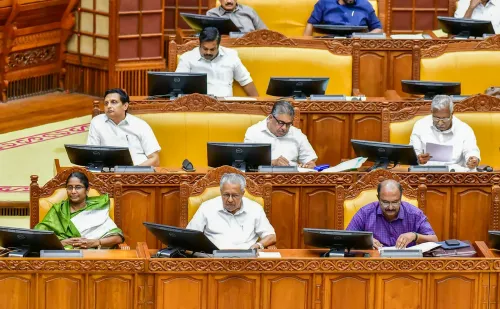
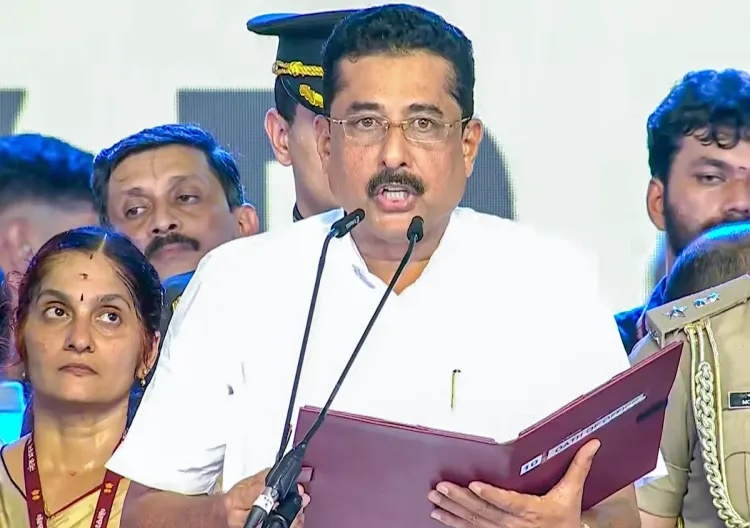
General Education Minister N. Shamsudheen told the Kerala Assembly on Monday, 29 June that the state has no legal avenue to exit the Centre's PM SHRI school development scheme, warning that withdrawal would cost Kerala nearly ₹2,000 crore in forfeited Central funds. Shamsudheen squarely blamed the previous Left Democratic Front (LDF) government for signing what he described as a one-sided agreement that gives only the Centre the right to terminate the pact.
The Financial Trap
Shamsudheen laid out the financial stakes in stark terms. Pulling out of the PM SHRI programme would mean forfeiting close to ₹1,000 crore earmarked for the development of 304 selected government schools across 152 blocks in Kerala. Beyond that, the state also risks losing ₹1,151.48 crore due under the Samagra Shiksha scheme.
'The Centre has, in the past, withheld funds legitimately due to Kerala. There is every possibility that other grants, too, could be affected if the state backs out of the agreement,' the minister told the House.
What the LDF Government Signed
According to Shamsudheen, the previous LDF administration signed the agreement under duress — fearing that a refusal would trigger a broader freeze on Central assistance to the state. He alleged, however, that the agreement was executed without any meaningful stakeholder consultations or preparatory groundwork.
'There is nothing on record to show that the previous government held discussions with stakeholders or undertook any preparatory exercise before signing the agreement. Even the ministerial sub-committee constituted by the LDF government to examine the scheme did not meet even once,' he said.
This comes amid a broader pattern of Centre-state friction over education policy, with Kerala having long guarded its autonomy over school curriculum and pedagogy.
UDF's Reservations on Curriculum Autonomy
The minister reiterated the United Democratic Front (UDF) government's objections to specific provisions of the PM SHRI scheme, particularly those touching on curriculum control and academic autonomy. 'What is taught in schools should remain the prerogative of the state. Such issues demanded wider consultations before entering into a binding agreement,' Shamsudheen said.
Notably, the UDF has inherited both the agreement and the political liability that comes with it — a situation the minister acknowledged directly, saying the present government is now 'exploring ways to safeguard Kerala's interests without sacrificing crucial Central assistance.'
LDF Fires Back
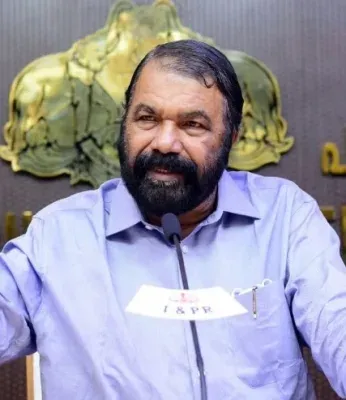
Former Education Minister and veteran Communist Party of India (Marxist) leader V. Sivankutty, who was present in the Assembly when the minister made his statement, pushed back sharply. Sivankutty accused the Muslim League and the Congress party — the two pillars of the UDF — of implementing a scheme that the previous Left government had reportedly frozen after identifying potential risks to the state's educational autonomy.
The exchange underscores a deepening political fault line in Kerala over the PM SHRI scheme, with both the ruling UDF and the opposition LDF seeking to assign blame while the state's public school system waits for clarity on fund flows. The government's next move — whether to renegotiate terms with the Centre or absorb the scheme as-is — is expected to shape Kerala's education policy heading into the next academic year.
Point of View
At different moments, prioritised Central funding over principled resistance to what they each called an autonomy threat. The LDF signed an agreement its own sub-committee never evaluated; the UDF now implements it while publicly objecting to it. Kerala's celebrated model of state-led public education sits awkwardly alongside a pact that, by the minister's own admission, leaves curriculum decisions open to Central influence. The real question is not who signed — it is whether any Kerala government, regardless of ideology, has the fiscal space to actually say no to Delhi.
NationPress
28 Sept 2026
Frequently Asked Questions
What is the PM SHRI scheme and why is it controversial in Kerala?
PM SHRI is a Central government school development programme that funds upgradation of selected government schools. It is controversial in Kerala because the agreement reportedly gives only the Centre the right to terminate the pact, and the UDF government has raised concerns that certain provisions encroach on the state's curriculum and academic autonomy.
How much money does Kerala stand to lose if it exits the PM SHRI scheme?
Kerala faces a total loss of nearly ₹2,000 crore — roughly ₹1,000 crore earmarked for 304 government schools across 152 blocks under PM SHRI, plus ₹1,151.48 crore due under the Samagra Shiksha scheme that could also be withheld.
Why did the previous LDF government sign the PM SHRI agreement?
According to Education Minister N. Shamsudheen, the LDF signed the agreement because it feared that refusing to do so would result in broader Central funds being blocked for Kerala. The minister alleged no meaningful stakeholder consultations were held and the LDF's own ministerial sub-committee to examine the scheme never convened.
What is the UDF government's current position on the PM SHRI scheme?
The UDF government has reservations about provisions relating to curriculum and academic autonomy but says it will not allow any Central funding due to Kerala's public schools to lapse. Minister Shamsudheen said the government is exploring ways to protect Kerala's interests while retaining access to Central grants.
How has the LDF responded to the minister's statement?
Former Education Minister V. Sivankutty (CPI-M) rejected the UDF's framing, accusing the Muslim League and Congress of actively implementing a scheme the previous Left government had frozen after identifying risks to educational autonomy. The exchange signals that the PM SHRI dispute will remain a live political flashpoint in the Kerala Assembly.