PM SVANidhi scheme turns 6: How J&K vendor Shakeel Bhatt rebuilt his business
Synopsis
Six years after its pandemic-era launch, PM SVANidhi has disbursed over 1.12 crore loans worth ₹17,800 crore to street vendors across India. In Srinagar, cloth vendor Shakeel Ahmad Bhatt is on his third loan tranche — his business has grown several times over. The scheme's quiet success story is about more than credit; it is about pulling informal vendors into the formal economy.
Key Takeaways
PM SVANidhi completed six years on 1 June 2026 , having launched on 1 June 2020 during the COVID-19 pandemic.
More than 1.12 crore collateral-free loans worth over ₹17,800 crore have been disbursed under the scheme since launch.
Over 75.5 lakh street vendors across urban India have benefited, gaining access to formal credit and digital payments.
Shakeel Ahmad Bhatt , a Srinagar-based clothes vendor, has availed the third tranche of PM SVANidhi assistance, growing his business several times over.
The scheme has had a notable impact in Jammu and Kashmir , helping vendors recover from pandemic-era economic disruption.
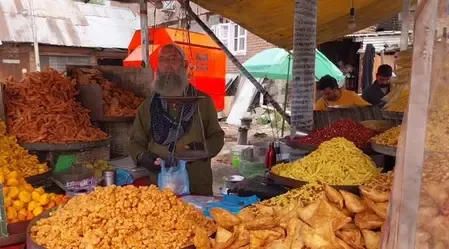
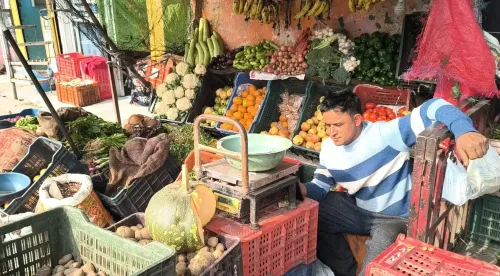
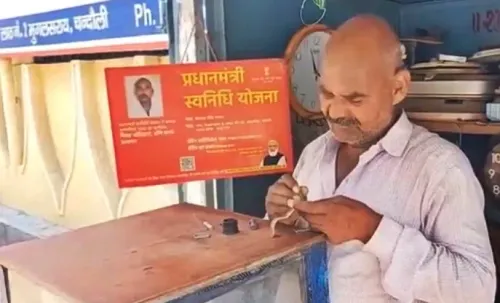
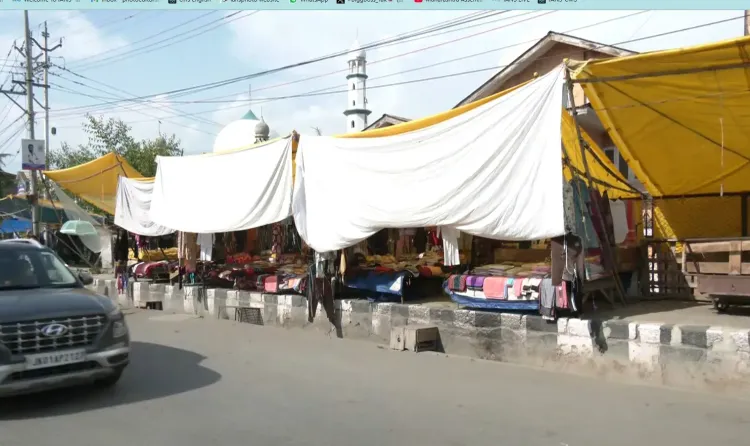
Shakeel Ahmad Bhatt, a clothes vendor from Srinagar, was struggling to keep his street-side business alive and his children in school when the Prime Minister Street Vendor's AtmaNirbhar Nidhi (PM SVANidhi) scheme changed the trajectory of his family's finances. Six years after its launch on 1 June 2020, the Central government programme has emerged as a quiet but consequential force in reshaping small-scale livelihoods across Jammu and Kashmir and urban India at large.
From Struggle to Growth
Bhatt's income from selling clothes on the streets of Srinagar was barely enough to cover household expenses, let alone invest in expanding his stock. The collateral-free loan access offered under PM SVANidhi gave him his first structured entry into formal credit. With the initial assistance, he purchased additional clothing inventory and diversified his offerings to draw more customers.
As sales picked up, he repaid the loan on schedule — a discipline that unlocked successive tranches of funding. Bhatt has now availed the third tranche of PM SVANidhi assistance, and says his business has grown several times over since he first enrolled in the scheme. His family's financial position, he says, is stronger than it has ever been.
What PM SVANidhi Offers
Launched during the COVID-19 pandemic to provide affordable working capital to street vendors whose livelihoods had been devastated by lockdowns, PM SVANidhi offers collateral-free loans in escalating tranches — rewarding timely repayment with access to larger credit. Beyond credit, the scheme also nudges vendors toward digital payments and formal social security benefits, integrating them into the mainstream financial ecosystem.
Bhatt noted that without the scheme, his business would likely have collapsed under the weight of the pandemic's economic disruption. 'If this scheme had not been introduced,' he said, 'my business would have suffered drastically during COVID-19, further pushing me to the brink of closure.'
National Scale and Impact
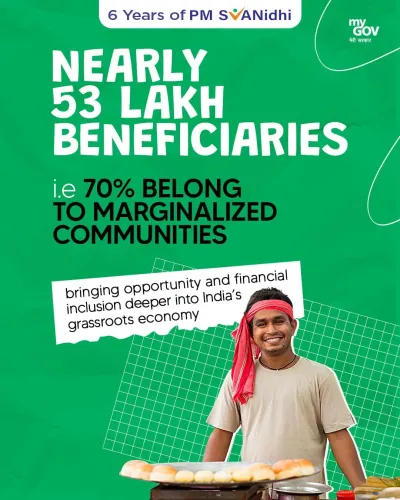
The programme's reach has grown substantially since its inception. More than 1.12 crore collateral-free loans worth over ₹17,800 crore have been disbursed under PM SVANidhi since June 2020. The scheme has benefited over 75.5 lakh street vendors across urban India, according to official data, helping them access formal credit, adopt digital transactions, and avail social security entitlements.
In Jammu and Kashmir, the scheme's impact has been particularly notable, given the region's economic vulnerabilities and the disruptions vendors faced during both the pandemic and the broader restructuring of the Union Territory.
Broader Significance
PM SVANidhi's sixth anniversary marks a moment to assess whether a pandemic-era emergency measure has delivered durable change. For vendors like Bhatt, the answer appears to be yes — the scheme functioned not just as a financial lifeline but as a confidence-builder, encouraging him to think beyond day-to-day survival toward longer-term enterprise growth. Whether the programme's scale and outreach can be sustained and deepened remains the key question as it enters its seventh year.
Point of View
But the aggregate numbers deserve equal attention: 1.12 crore loans and ₹17,800 crore disbursed is a credible scale for a scheme targeting the informal economy's most vulnerable tier. The real test, however, is graduation — whether vendors like Bhatt are moving from survival credit to genuine enterprise, or cycling through tranches without building lasting financial resilience. The scheme's digital payments nudge is its most structurally significant element, as formalisation of transactions creates a credit history that outlasts the programme itself. That story is still being written.
NationPress
24 Sept 2026
Frequently Asked Questions
What is the PM SVANidhi scheme?
PM SVANidhi, or Prime Minister Street Vendor's AtmaNirbhar Nidhi, is a Central government scheme launched on 1 June 2020 to provide affordable, collateral-free working capital loans to street vendors affected by the COVID-19 pandemic. It offers escalating loan tranches to vendors who repay on time, and also promotes digital payments and social security access.
How many vendors has PM SVANidhi helped so far?
According to official data, over 75.5 lakh street vendors across urban India have benefited from the scheme, with more than 1.12 crore collateral-free loans worth over ₹17,800 crore disbursed since June 2020.
Who is Shakeel Ahmad Bhatt and how did PM SVANidhi help him?
Shakeel Ahmad Bhatt is a Srinagar-based street vendor who sells clothes. He used PM SVANidhi loans to expand his stock and diversify his offerings, repaid on time, and has now accessed the scheme's third loan tranche. His business has grown several times over, improving his family's financial stability.
What happens if a vendor repays the PM SVANidhi loan on time?
Timely repayment qualifies vendors for larger subsequent loan tranches under PM SVANidhi. This graduated credit structure rewards financial discipline and gives vendors access to progressively greater working capital to grow their businesses.
How has PM SVANidhi impacted Jammu and Kashmir specifically?
The scheme has brought a notable change in livelihoods for street vendors in Jammu and Kashmir, a region that faced compounded economic disruptions during the pandemic. Vendors in the valley have used the collateral-free loans to rebuild and expand their businesses, according to reports from the region.