PM SVANidhi at 6: How street vendors in Haryana rebuilt lives with scheme loans
Synopsis
Six years after its Covid-era launch, PM SVANidhi is doing what few government micro-credit schemes manage: creating repeat borrowers who grow. Vendors in Haryana's Faridabad and Karnal have moved from survival loans to stall upgrades — a small but telling sign that structured, repayment-linked credit can work at the bottom of the economy.
Key Takeaways
PM SVANidhi was launched on 1 June 2020 and completes six years in 2025.
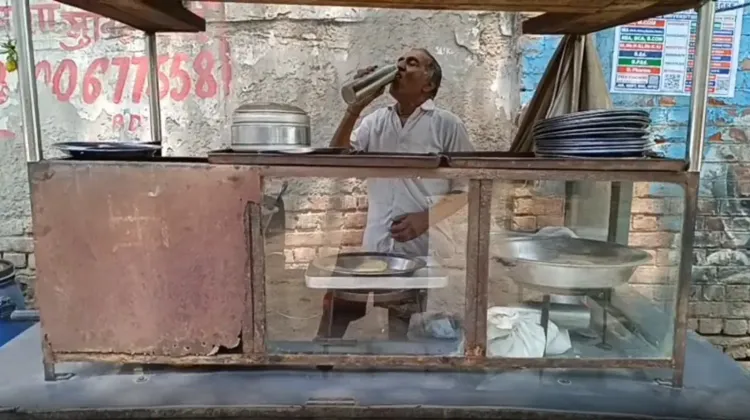
Rajesh Kumar of Faridabad used the scheme to revive his Chole-Bhature business after Covid-19 losses and received food safety training via FSSAI webinars.
Mandeep Taneja of Karnal secured an initial loan of up to ₹10,000 , repaid on time, and qualified for two further tranches, using the third to upgrade his pizza stall's decor.
The scheme offers collateral-free working capital loans with progressive credit eligibility tied to timely repayment.
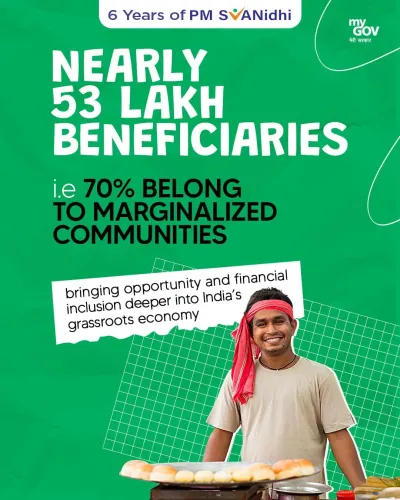
PM SVANidhi has reportedly benefited lakhs of street vendors nationwide, integrating them into formal financial and digital payment systems.
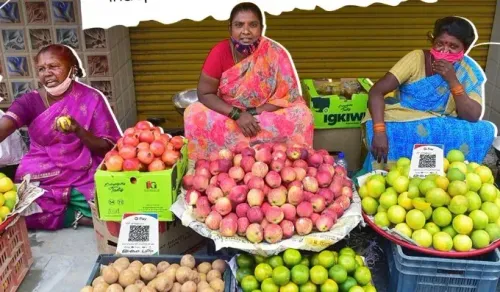
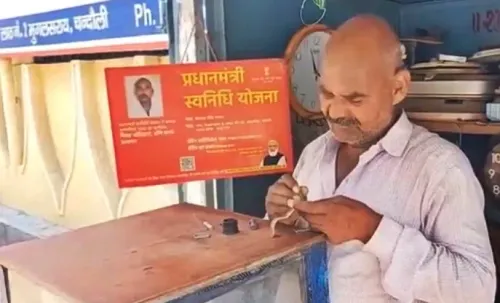
The Pradhan Mantri Street Vendor's AtmaNirbhar Nidhi (PM SVANidhi) scheme, which completes six years since its launch on 1 June 2020, has transformed the livelihoods of lakhs of street vendors across India — helping them recover from pandemic-era losses and build financially self-sustaining businesses. In Haryana's Faridabad and Karnal, vendors who once struggled to keep their stalls running now speak of renewed confidence and steady growth.
From Pandemic Setback to Self-Reliance
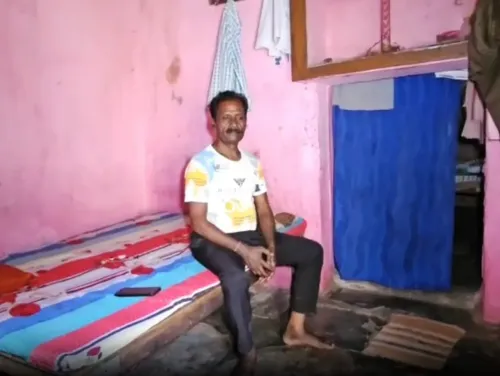
Rajesh Kumar, a resident of Faridabad, has operated a Chole-Bhature shop for years to support his family. The economic disruption caused by Covid-19 brought mounting financial pressures that threatened to shut his business entirely. The collateral-free working capital loan he received under PM SVANidhi gave him the footing to stabilise and grow his venture.
Beyond the financial support, Kumar participated in webinars conducted by the Food Safety and Standards Authority of India (FSSAI), where he gained practical knowledge on food safety, hygiene standards, and quality service. He adopted measures including maintaining cleanliness, ensuring personal hygiene, and sourcing safe food ingredients. According to Kumar, the scheme provided not just money but the self-confidence to move forward.
A Pizza Stall That Grew One Loan at a Time
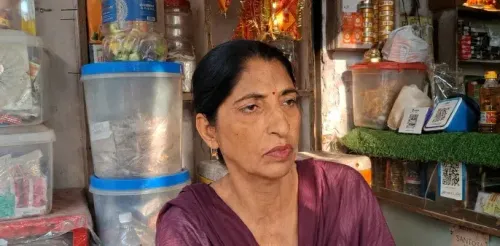
Mandeep Taneja, who runs a pizza stall at Nehru Place Market in Karnal, faced a different but equally pressing challenge: limited income and unpredictable daily revenue made it nearly impossible to expand his business while managing household expenses.
Taneja secured an initial collateral-free loan of up to ₹10,000 under PM SVANidhi and used it to purchase new equipment for his stall. After repaying the first loan on time, he became eligible for a second tranche, which helped him manage both business operations and family needs more effectively, providing his household with greater financial stability.
Upon timely repayment of the second tranche, Taneja qualified for a third instalment. He invested this amount in upgrading the interior decor and exterior aesthetics of his pizza stall. The improved presentation attracted more customers, driving a further increase in sales.
What PM SVANidhi Offers Street Vendors
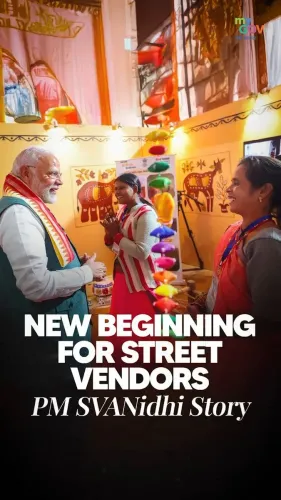
Launched during the Covid-19 pandemic, PM SVANidhi is a central government scheme designed to extend affordable working capital credit, promote financial inclusion, and provide social protection to street vendors. Vendors who repay loans on time become eligible for progressively larger credit tranches, creating a structured pathway toward financial independence.
The scheme addresses a historically underserved segment: informal street vendors who typically lack collateral or formal credit histories and are therefore excluded from mainstream banking channels. By integrating vendors into the formal financial system, the scheme also enables access to digital payments and government welfare benefits.
Six Years On: The Broader Picture
The experiences of Kumar and Taneja reflect a wider pattern seen across the country, where PM SVANidhi has reportedly supported lakhs of vendors in rebuilding their micro-enterprises after one of the most severe economic disruptions in recent memory. The scheme's design — linking subsequent loan eligibility to timely repayment — has also encouraged financial discipline among first-time borrowers.
As the scheme enters its seventh year, the focus is expected to shift toward deepening digital transaction adoption among beneficiaries and expanding coverage to vendors in smaller towns and rural markets.
Point of View
Not its headline numbers. By tying larger loans to repayment discipline, it nudges informal vendors toward financial behaviour that banks could not previously incentivise. What the scheme still lacks is a rigorous, publicly available impact audit — how many vendors graduated from the first to the third tranche, and what happened to their incomes? Anecdotal stories from Faridabad and Karnal are compelling, but six years in, the government owes the public a data-backed reckoning. Without that, the scheme risks being celebrated on its anniversary rather than evaluated on its outcomes.
NationPress
14 Sept 2026
Frequently Asked Questions
What is the PM SVANidhi scheme?
PM SVANidhi, or the Pradhan Mantri Street Vendor's AtmaNirbhar Nidhi, is a central government scheme launched on 1 June 2020 to provide affordable collateral-free working capital loans to street vendors affected by the Covid-19 pandemic. It also promotes financial inclusion and digital payment adoption among informal vendors.
How does the PM SVANidhi loan structure work?
Vendors can access an initial loan of up to ₹10,000. Upon timely repayment, they become eligible for a second, larger tranche, and subsequently a third instalment. This repayment-linked progression encourages financial discipline and gives vendors access to growing credit over time.
Who are some beneficiaries of PM SVANidhi in Haryana?
Rajesh Kumar of Faridabad, who runs a Chole-Bhature shop, and Mandeep Taneja of Karnal, who operates a pizza stall at Nehru Place Market, are among the Haryana vendors who credit PM SVANidhi loans with helping them recover from Covid-era losses and expand their businesses.
What other benefits does PM SVANidhi offer beyond loans?
Beyond working capital credit, the scheme connects vendors to FSSAI food safety training, digital payment infrastructure, and broader social protection measures, helping them integrate into the formal economy for the first time.
How many vendors has PM SVANidhi helped since its launch?
According to reports, the scheme has supported lakhs of street vendors across India since its launch in June 2020, though a comprehensive official tally of third-tranche graduates and income-level outcomes has not been made publicly available.