PM SVANidhi at 6: Street vendors in Ghaziabad, Varanasi find financial footing
Synopsis
Six years in, PM SVANidhi has moved street vendors like Babita in Ghaziabad from pandemic-era hardship to ₹50,000 in credit and a permanent shop. The scheme's direct-transfer model and tiered lending are its standout features — but the real test is whether its reach extends beyond early, digitally-linked adopters to the millions still outside formal credit networks.
Key Takeaways
PM SVANidhi completes six years on 1 June 2025 , launched in June 2020 to support street vendors displaced by COVID-19 lockdowns.
Babita of Ghaziabad accessed up to ₹50,000 in cumulative loans, transitioning from a roadside stall to a permanent shop and earning ₹2,000–₹3,000 per day .
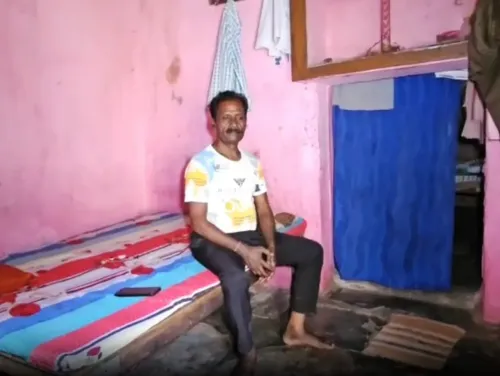
Vishnu Shankar Bhardwaj of Sarnath, Varanasi credits the scheme with providing accessible credit and eliminating middlemen through direct bank transfers.
The scheme offers tiered working capital loans of ₹10,000 , ₹20,000 , and ₹50,000 , contingent on timely repayment.
Experts note that scaling impact to vendors lacking digital access or bank linkages remains a key challenge entering the scheme's seventh year.
The Prime Minister Street Vendor's AtmaNirbhar Nidhi (PM SVANidhi) scheme, which completes six years on 1 June 2025, has reshaped livelihoods for thousands of small traders and street vendors across India, offering collateral-free credit that formal banking channels had long denied them. Beneficiaries in Ghaziabad and Varanasi say the scheme has moved them from pavement stalls to permanent shops — and from financial anxiety to measurable stability.
From Roadside Stall to Permanent Shop
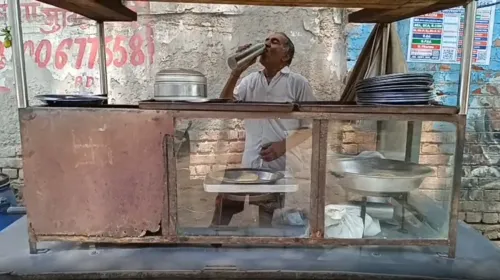
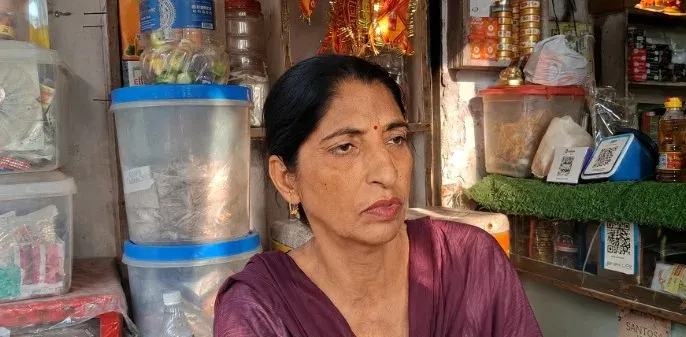
Babita, a street vendor from Ghaziabad, says the COVID-19 pandemic pushed her to the edge. Running a roadside stall selling incense sticks, earthen lamps, flowers, coconuts, and religious items, she had no access to formal credit. A relative's tip about PM SVANidhi changed that. She applied, received her first loan tranche, repaid it on time, and qualified for subsequent disbursements — eventually accessing up to ₹50,000 in cumulative credit.
That capital allowed her to transition from an informal pavement setup to a permanent shop, bringing stability and organisation to her business. She now reportedly earns between ₹2,000 and ₹3,000 per day, a level of income she describes as transformative for her family's finances.
Sarnath Vendor Credits Scheme for New Direction
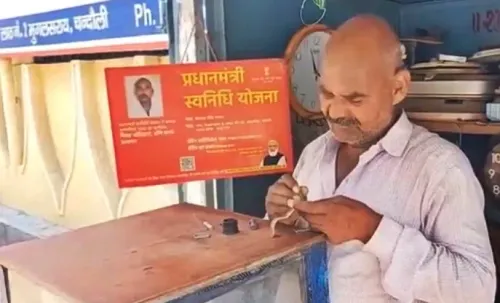
Vishnu Shankar Bhardwaj, a resident of Sarnath in Varanasi who sells stone idols, garlands, and gift items, echoes a similar arc. He said that accessing bank loans as a small trader had previously been a cumbersome, often futile process. PM SVANidhi provided a structured, accessible credit pathway that gave his enterprise, in his words, 'a new direction.'
Bhardwaj noted that the scheme's direct-benefit-transfer architecture — with government support credited directly into beneficiaries' bank accounts — has reduced dependence on middlemen and improved transparency. He credited the scheme with boosting not just his finances but also his social confidence and standing in the community.
How PM SVANidhi Works
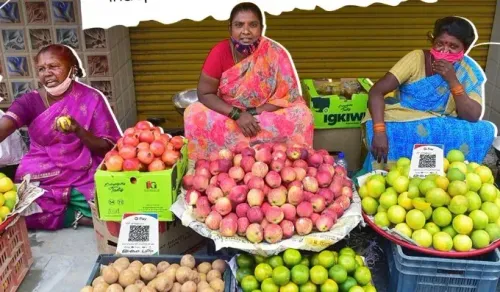
Launched on 1 June 2020 during the pandemic to rehabilitate street vendors displaced by lockdowns, PM SVANidhi offers working capital loans starting at ₹10,000, scaling to ₹20,000 and then ₹50,000 for vendors who repay on time. The scheme incentivises digital transactions and links vendors to broader social security infrastructure, including housing and insurance programmes. It operates through scheduled commercial banks, regional rural banks, microfinance institutions, and self-help group banks.
Broader Impact and Remaining Challenges
Both beneficiaries also cited access to complementary welfare programmes — including the Pradhan Mantri Awas Yojana (housing scheme) and ration card benefits — as part of a wider improvement in living standards. This comes amid a broader government push to formalise the informal economy and extend financial inclusion to the last mile.
Critics and independent researchers, however, have noted that self-reported income gains from scheme beneficiaries should be read alongside structural data on urban informal employment, where conditions remain precarious for many. The scheme's reach and repayment metrics, while cited as positive by officials, have not been independently audited in full at the national level, according to reports.
As PM SVANidhi enters its seventh year, the government faces the challenge of scaling impact beyond early adopters and ensuring that vendors in smaller towns and semi-urban areas — many of whom lack digital literacy or bank account linkages — are brought into the fold.
Point of View
The scheme's most visible success stories tend to cluster around vendors already proximate to urban banking infrastructure. The harder question is penetration depth: how many of India's estimated 50 lakh-plus street vendors remain outside the net, and why. Without disaggregated, independently verified data on repayment rates, income gains, and dropout patterns, the scheme's national impact remains difficult to assess beyond curated beneficiary narratives.
NationPress
21 Sept 2026
Frequently Asked Questions
What is the PM SVANidhi scheme?
PM SVANidhi — the Prime Minister Street Vendor's AtmaNirbhar Nidhi scheme — is a Central Government programme launched on 1 June 2020 to provide collateral-free working capital loans to street vendors. It offers loans of ₹10,000, ₹20,000, and ₹50,000 in successive tiers, with eligibility for higher amounts linked to timely repayment.
How much loan can a vendor get under PM SVANidhi?
Vendors can access up to ₹50,000 in cumulative credit across three tiers — starting at ₹10,000, scaling to ₹20,000, and then ₹50,000 — provided each prior loan is repaid on time. The scheme also incentivises digital transactions.
Who are the beneficiaries of PM SVANidhi in Ghaziabad and Varanasi?
Babita, a religious-items vendor from Ghaziabad, and Vishnu Shankar Bhardwaj, a stone-idol and gift-items seller from Sarnath in Varanasi, are among the scheme's cited beneficiaries. Both used PM SVANidhi loans to formalise and expand their businesses.
Why does PM SVANidhi matter for India's informal economy?
Street vendors have historically been excluded from formal credit channels due to lack of collateral and documentation. PM SVANidhi bypasses these barriers, linking vendors to banking infrastructure and broader social security programmes, as part of a wider push to formalise India's large informal sector.
What challenges does PM SVANidhi face going forward?
Analysts note that the scheme's reach among vendors lacking digital literacy or bank account linkages remains limited. Scaling impact beyond early, urban adopters and ensuring independent verification of income and repayment outcomes are seen as the key challenges as the scheme enters its seventh year.