PM SVANidhi scheme turns 6: How street vendors rebuilt lives with collateral-free loans
Synopsis
Six years after launch, PM SVANidhi's collateral-free micro-loans are doing what conventional banking never did for India's street vendors — turning ₹10,000 into a pathway to formal business. The stories of a Ranchi tea seller and a Ghaziabad pooja store owner illustrate how incremental credit, tied to repayment discipline, is quietly reshaping informal-sector livelihoods.
Key Takeaways
PM SVANidhi completed six years of operation on 1 June 2025 , serving lakhs of street vendors across India.
Loans are disbursed in collateral-free tranches of ₹10,000 , ₹20,000 , and up to ₹50,000 , with higher tranches unlocked by timely repayment.
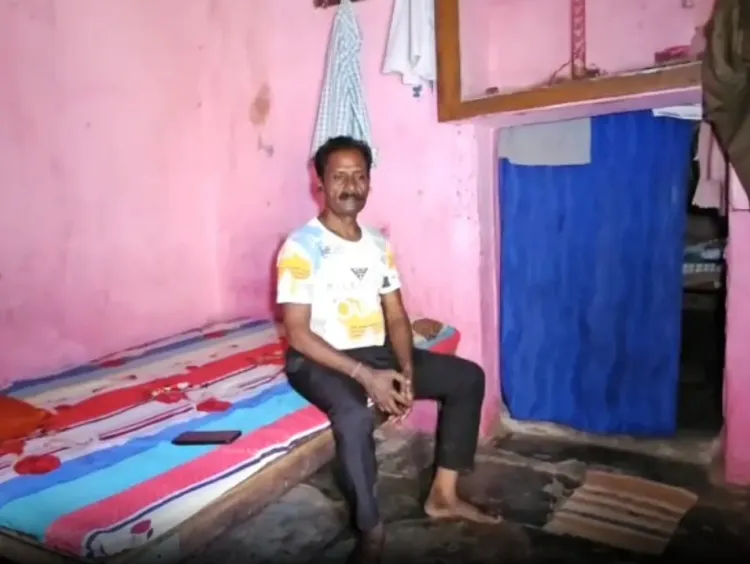
Gopal Prasad Barman , a tea vendor from Ranchi, Jharkhand , used the scheme to expand into snacks and secured his family's financial stability.
Babita Sharma of Ghaziabad scaled from a pavement stall to a rented shop after borrowing progressively from ₹10,000 in July 2020 to ₹50,000 .
The scheme targets India's informal urban workforce, historically excluded from formal credit channels.
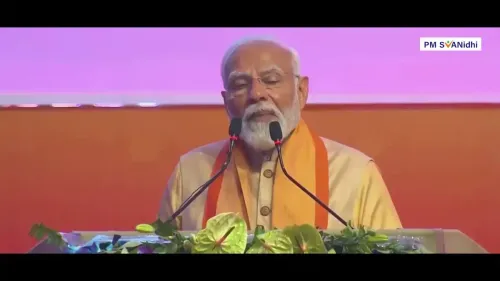
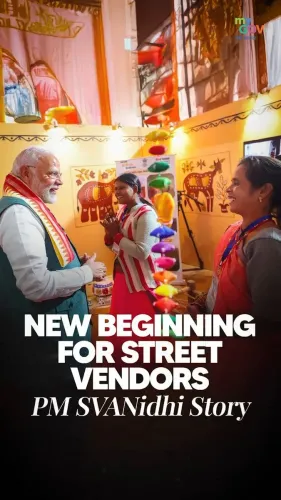
The Prime Minister Street Vendor's AtmaNirbhar Nidhi (PM SVANidhi) scheme marked six years of operation on 1 June 2025, having extended collateral-free credit to lakhs of street vendors and small stall owners across India, enabling many to scale their businesses and achieve financial self-reliance. The Central government programme, launched in the aftermath of the COVID-19 pandemic, continues to reshape livelihoods at the grassroots level.
From Tea Stall to Snacks Business: A Ranchi Vendor's Journey
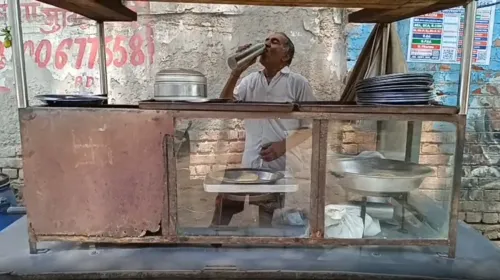
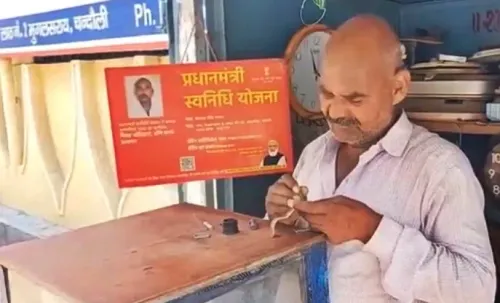
Gopal Prasad Barman, a tea stall vendor from Ranchi, Jharkhand, was struggling to meet basic household expenses before the scheme intervened. His income from the stall was barely sufficient, and he had long wanted to add a snacks-selling unit alongside his tea business to improve earnings — but lacked the capital to do so.
After receiving his first loan tranche under PM SVANidhi, Barman purchased a larger stove, utensils, and storage containers, effectively expanding his operation. He repaid the entire loan within a year and subsequently applied for a second tranche. According to him, the scheme did more than provide funds — it gave him the confidence to pursue larger ambitions. His family's financial position, he says, is now significantly more stable than it was before the scheme.
Pooja Store Owner in Ghaziabad Scales from Stall to Shop
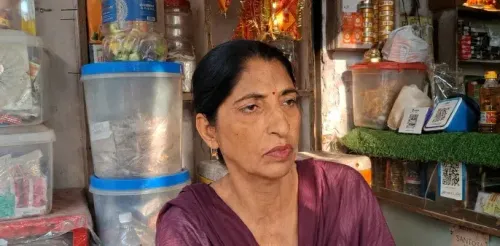
Babita Sharma of Ghaziabad, Uttar Pradesh, once ran a modest stall outside a local temple, selling incense sticks, earthen lamps (diyas), flowers, coconuts, and other worship essentials. Limited working capital repeatedly constrained her ability to stock up and attract more customers.
In July 2020, she applied for a loan under the scheme and received an initial ₹10,000. The additional inventory drew more footfall, and she subsequently borrowed ₹20,000 and then ₹50,000 in successive tranches. Today, she operates a rented shop — a step-change from the pavement stall where she started.
'A journey that began with ₹10,000 has now reached ₹50,000, and today, I am successfully running my own business,' Sharma said. She credits the collateral-free structure of the loan as the single most transformative feature, removing the barrier that had historically kept informal vendors outside the formal credit system.
What PM SVANidhi Offers and Why It Matters
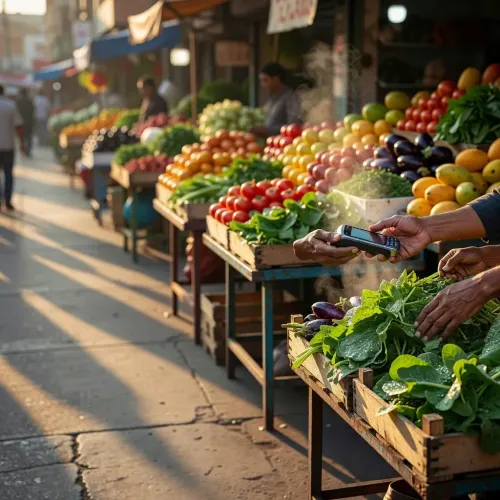
The scheme provides working-capital loans in escalating tranches — starting at ₹10,000, then ₹20,000, and up to ₹50,000 — with no collateral requirement. Timely repayment unlocks higher credit limits, creating an incentive structure designed to build credit discipline among first-time borrowers. The programme also facilitates digital payments adoption among vendors, linking them to the broader formal economy.
This comes amid a wider policy push to formalise India's vast informal sector, which accounts for a significant share of urban employment. Street vendors — often excluded from conventional banking — represent one of the most financially vulnerable segments of the urban workforce.
Six Years On: Scale and Impact
The stories of Barman and Sharma reflect a pattern seen across the scheme's six-year run: vendors using initial micro-loans not merely to survive but to structurally upgrade their businesses. The scheme has reportedly reached lakhs of beneficiaries since its launch, with successive loan tranches indicating high repayment rates among participants. As the programme enters its seventh year, the key question is whether its reach can be deepened in smaller towns and among vendors who remain outside digital infrastructure.
Point of View
The scheme's real test is penetration depth, not headline beneficiary counts. Many vendors in smaller towns and peri-urban areas remain outside the digital rails the scheme increasingly depends on. The escalating tranche model is sound in design; whether it is reaching the most marginalised — daily-wage earners displaced by urban redevelopment, migrant vendors without address proof — is a question the anniversary coverage rarely asks.
NationPress
19 Sept 2026
Frequently Asked Questions
What is the PM SVANidhi scheme?
PM SVANidhi, or the Prime Minister Street Vendor's AtmaNirbhar Nidhi scheme, is a Central government programme that provides collateral-free working-capital loans to street vendors and small stall owners. Loans begin at ₹10,000 and can scale up to ₹50,000 based on timely repayment.
How long has PM SVANidhi been in operation?
The scheme completed six years of operation on 1 June 2025, having been launched in the aftermath of the COVID-19 pandemic to support vendors whose livelihoods were disrupted.
Who is eligible for a PM SVANidhi loan?
Street vendors and small stall owners operating in urban areas are eligible. The scheme is specifically designed for informal-sector vendors who lack access to conventional bank credit due to the absence of collateral.
How does the loan repayment and escalation work?
Borrowers receive an initial tranche of ₹10,000. Timely repayment qualifies them for a second tranche of ₹20,000 and subsequently up to ₹50,000, creating a credit-discipline incentive for first-time formal borrowers.
What impact has the scheme had on individual vendors?
Vendors such as Babita Sharma of Ghaziabad and Gopal Prasad Barman of Ranchi have used successive loan tranches to expand inventory, upgrade equipment, and move from pavement stalls to rented shops, achieving stable family incomes.