PM Awas Yojana transforms lives of Saharanpur families with permanent homes
Synopsis
In Saharanpur, PMAY beneficiaries Kusum Gupta, Manjula, and Satish Raj describe moving from leaking tin sheds and landlord pressure to permanent, self-owned homes — with ₹2.5 lakh arriving directly in their bank accounts, no middlemen involved. It is a street-level account of whether India's flagship housing scheme is actually working.
Key Takeaways
PMAY beneficiaries in Saharanpur received permanent homes, ending years of life in rented accommodation and tin sheds.
Manjula received ₹2.5 lakh directly into her bank account under the scheme's direct benefit transfer mechanism.
Beneficiaries including Kusum Gupta and Satish Raj cited freedom from landlord eviction pressure as a key life change.
Residents credited the direct transfer model with eliminating commission-seeking middlemen from welfare delivery.
Improvements in roads, water supply, and housing were noted across Saharanpur over the past 12 years .
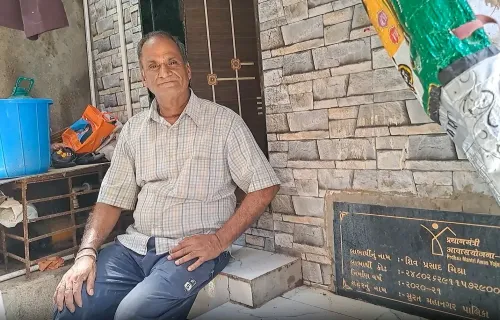
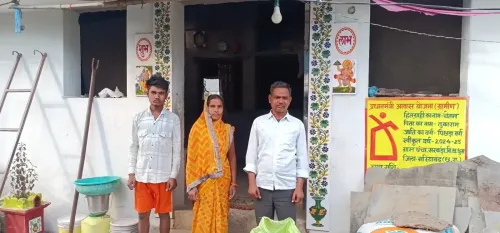
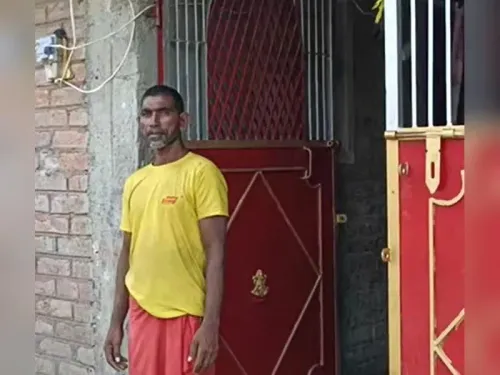
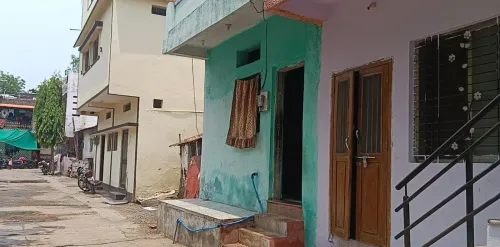
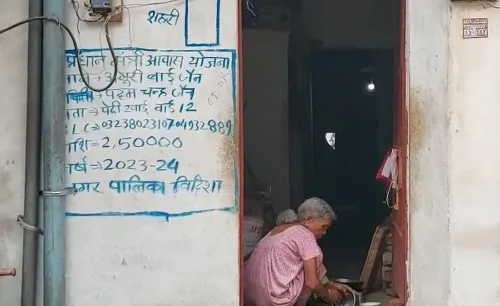
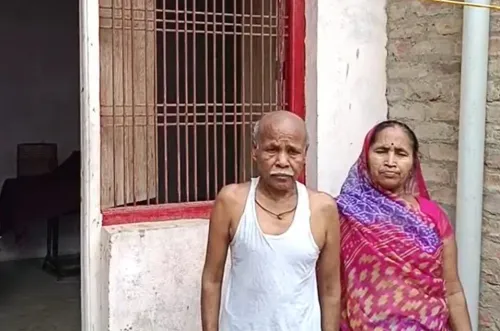
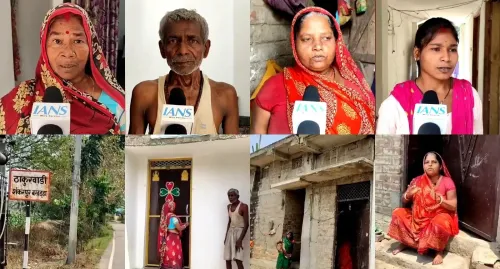
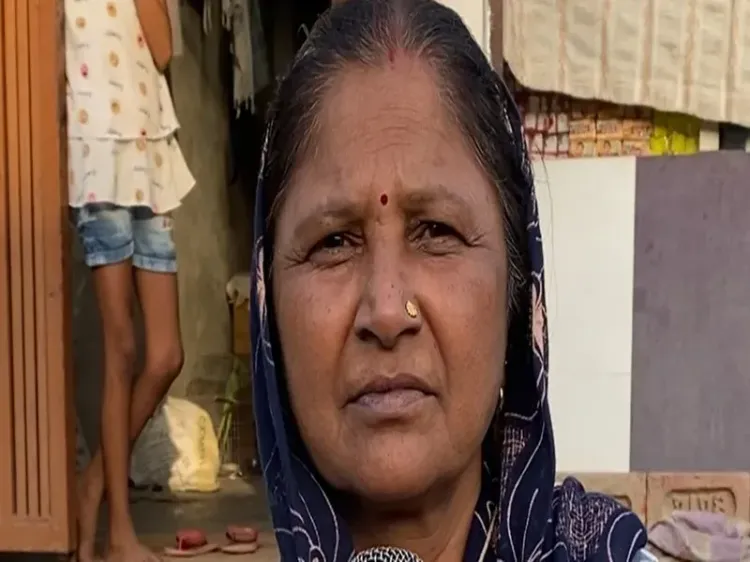
Beneficiaries of the Pradhan Mantri Awas Yojana (PMAY) in Saharanpur, Uttar Pradesh, are celebrating a significant shift in their circumstances after receiving permanent homes under the central government housing scheme. Residents including Kusum Gupta, Manjula, and Satish Raj said the programme has fundamentally altered their lives, ending years of insecurity in rented accommodation and makeshift tin-shed dwellings.
From Tin Sheds to Permanent Homes
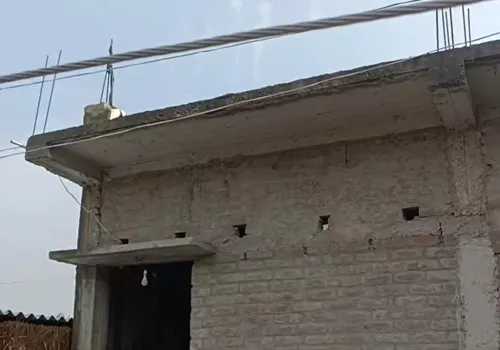
Before receiving PMAY benefits, these families endured considerable hardship. During monsoon months, rainwater would seep through flimsy rooftops, disrupting daily life. Those in rented homes faced recurring pressure from landlords threatening eviction. The arrival of a pucca house, they say, has replaced that anxiety with stability.
'We are very happy now because we finally have our own house. Earlier, we faced many difficulties while living in rented homes and tin sheds. Now nobody can force us to leave,' said Kusum Gupta.
Direct Benefit Transfer Cuts Out Middlemen
A feature beneficiaries highlighted with particular appreciation is the direct benefit transfer mechanism, under which construction instalments are credited straight into recipients' bank accounts. The system, they noted, eliminates the commission-seeking intermediaries that historically siphoned off welfare funds.
'The money comes directly into our account, and we do not have to pay any commission to anyone,' said Manjula, who received ₹2.5 lakh under the scheme. This model of direct cash transfer to verified beneficiaries has been a cornerstone of PMAY's implementation architecture since the scheme's rollout.
Broader Welfare Impact in Saharanpur
Beyond housing, residents credited improvements in local infrastructure — roads, water supply, and sanitation — over the past 12 years of the Bharatiya Janata Party (BJP)-led central government. They said welfare benefits are now reaching intended recipients with less leakage, attributing the change to the direct fund-transfer model.
Notably, Saharanpur — a district with a significant population of economically weaker sections — has seen multiple central schemes converge in recent years, making it a visible marker of rural welfare delivery in western Uttar Pradesh.
What the Beneficiaries Say About the Future
The residents expressed hope that housing and welfare programmes would continue to expand to reach more poor and needy families. According to those interviewed, PMAY has delivered not just bricks and mortar but also dignity, personal safety, and long-term stability — outcomes that extend well beyond the physical structure of a house.
With the Centre's PMAY urban and rural targets still being pursued in phases, Saharanpur's beneficiaries represent a ground-level snapshot of how the scheme is landing in one of India's most populous states.
Point of View
While genuine, does not tell us how many eligible families in the district are still waiting. The scheme's credibility depends on closing that gap, not just celebrating those already housed. Western Uttar Pradesh has historically been a difficult terrain for welfare delivery; if PMAY is genuinely cutting through, it would be a structural shift worth tracking with independent data, not just beneficiary testimonials.
NationPress
22 Sept 2026
Frequently Asked Questions
What is the Pradhan Mantri Awas Yojana (PMAY)?
The Pradhan Mantri Awas Yojana is a central government scheme that provides financial assistance to economically weaker sections for constructing or purchasing permanent homes. Beneficiaries receive funds directly into their bank accounts in instalments tied to construction progress.
How much money do PMAY beneficiaries receive?
The amount varies by category and location, but in Saharanpur, beneficiary Manjula reported receiving ₹2.5 lakh under the scheme. Funds are transferred directly into recipients' bank accounts without intermediaries.
Why is the direct benefit transfer feature significant?
The direct bank transfer mechanism eliminates middlemen who historically charged commissions to process welfare payments. Beneficiaries in Saharanpur specifically cited this as a reason they received the full entitled amount without deductions.
Who are the Saharanpur PMAY beneficiaries mentioned?
The beneficiaries named are Kusum Gupta, Manjula, and Satish Raj, all residents of Saharanpur, Uttar Pradesh. They previously lived in rented homes or tin-shed dwellings and have since received permanent homes under the scheme.
What other improvements have Saharanpur residents noted alongside housing?
Residents said basic infrastructure including roads and water supply has improved over the past 12 years. They attributed reduced corruption in welfare delivery to the direct fund-transfer model adopted across central government schemes.