Chhattisgarh's PMGKAY: A Lifeline for Families in Naxal Zones
Synopsis
Discover how the Pradhan Mantri Garib Kalyan Anna Yojana is transforming the lives of families in Chhattisgarh's Naxal-affected regions. This government initiative provides essential monthly rations, proving to be a crucial support in challenging times.
Key Takeaways
PMGKAY provides essential monthly rations to impoverished families.
The scheme has transformed lives in Naxal-affected regions of Chhattisgarh.
Beneficiaries express gratitude towards the government.
Free supplies include rice, gram, sugar, and salt.
A total of 77,757 families are enrolled in the program.
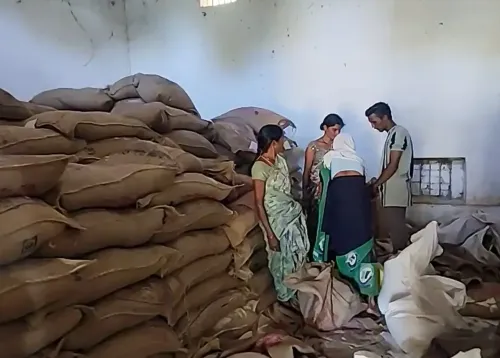
Raipur, Feb 26 (NationPress) The Pradhan Mantri Garib Kalyan Anna Yojana (PMGKAY) has emerged as a vital support for impoverished families residing in the Naxal-affected regions of Mohla-Manpur and Ambagarh Chowki districts in Chhattisgarh.
This program ensures that eligible beneficiaries receive free staples such as rice, gram, sugar, and salt on a monthly basis. The positive impact of this initiative has been significant, allowing farmers to lead lives filled with respect and dignity while enhancing their overall economic situation.
Many families are expressing heartfelt thanks to the Modi government for this essential public welfare initiative.
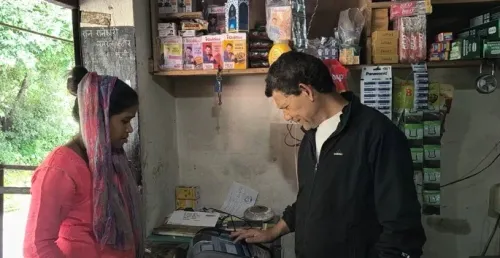
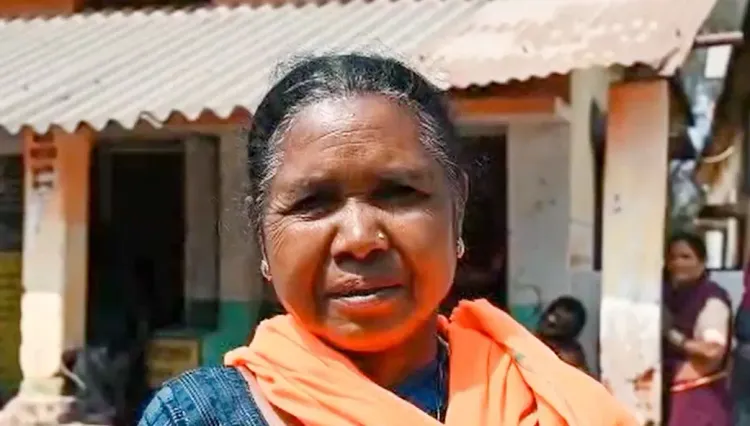
Kamala Bai, a beneficiary, shared with IANS how the free rations have been a lifeline for her household. She stated, "The monthly supply of rice, sugar, and gram helps us make ends meet throughout the month."
Kamerath from Navagaon echoed similar sentiments, highlighting that the government’s ration support is crucial for his family’s survival.
“The free grain, rice, and sugar are essential for our family’s support,” he remarked.
Samaru Ram Komre, a Tolum Panchayat resident, praised the scheme for its immense utility, stating that it guarantees his family’s monthly ration.
Gratefully acknowledging the initiative, Samaru Ram noted that it brings much-needed stability to the lives of rural, underprivileged families.
Another beneficiary mentioned that with just two family members, the monthly rations they receive cover all their food needs, alleviating worries about sourcing grains.
According to Dilip Kumar, the District Food Officer, the district is home to 77,757 ration card-holding families, totaling 296,785 individuals. All these families are reaping the benefits of both the Chief Minister's Food Scheme and the Pradhan Mantri Garib Kalyan Anna Yojana.
It's important to highlight that the Pradhan Mantri Garib Kalyan Anna Yojana (PMGKAY) was initiated to ease the burdens faced by the economically disadvantaged due to disruptions caused by the COVID-19 pandemic in the country.
Point of View
It is evident that the Pradhan Mantri Garib Kalyan Anna Yojana serves as a critical support mechanism for families facing economic hardships in Naxal-affected regions. The scheme not only provides essential food items but also restores dignity and stability to those in need, showcasing a commendable initiative by the government.
NationPress
12 Oct 2026
Frequently Asked Questions
What is the Pradhan Mantri Garib Kalyan Anna Yojana?
The PMGKAY is a government program initiated to provide free food rations to economically disadvantaged families, particularly during crises such as the COVID-19 pandemic.
Who are the beneficiaries of PMGKAY?
Families holding ration cards in Naxal-affected areas of Chhattisgarh benefit from PMGKAY, receiving essential food supplies every month.
What items are provided under the PMGKAY?
Eligible families receive free rice, gram, sugar, and salt each month under the PMGKAY.
How many families are enrolled in PMGKAY in Chhattisgarh?
There are 77,757 ration card-holding families in the district, benefiting a total of 296,785 members.
What is the main aim of the PMGKAY?
The scheme aims to alleviate the economic hardships faced by poor families due to disruptions caused by the COVID-19 outbreak.