National PNG Drive 3.0 launched to add 50 lakh piped gas connections by March 2027
Synopsis
India's third National PNG Drive is its most ambitious yet — targeting 50 lakh new piped gas connections, 40 lakh dormant-to-active conversions, and 50 lakh registrations in just six months. With 6,87,966 inch-km of pipeline already laid and 1.30 crore connections still untapped, Drive 3.0 is the clearest signal yet that the Centre wants natural gas to stop being a 6 per cent footnote in India's energy story.
Key Takeaways
National PNG Drive 3.0 was launched by Minister Hardeep Singh Puri on 1 October 2026 , running until 31 March 2027 .
Targets: 50 lakh new domestic PNG connections, 40 lakh dormant-to-active conversions, and 50 lakh new registrations.
Existing infrastructure of 6,87,966 inch-km of pipeline has potential for 1.30 crore additional connections.
PNG Drive 2.0 delivered 12.10 lakh connections; daily additions rose 43% and billed consumer additions grew 166% .
PNGRB has authorised 34,233 km of NGPL network; 25,429 km is operational and 10,459 km is under construction.
The drive supports the Centre's 'One Nation, One Gas Grid' goal and aims to raise natural gas's share from the current 6% of India's primary energy mix.
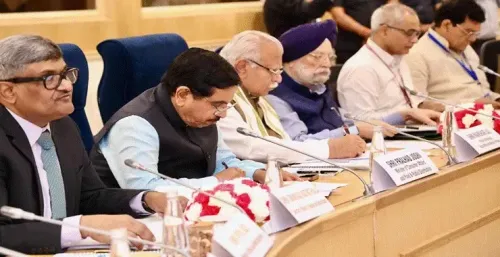
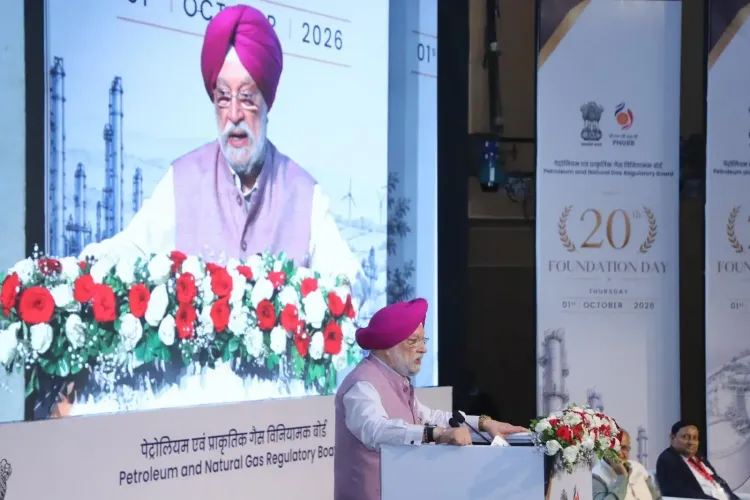
Petroleum and Natural Gas Minister Hardeep Singh Puri on 1 October 2026 formally launched National PNG Drive 3.0 in New Delhi, a six-month campaign aimed at accelerating the adoption of piped natural gas (PNG) and raising the share of natural gas in India's primary energy mix from its current 6 per cent. The drive, which runs from 1 October 2026 to 31 March 2027, was unveiled at an event marking the 20th Foundation Day of the Petroleum and Natural Gas Regulatory Board (PNGRB).
What PNG Drive 3.0 Targets
The campaign sets three headline targets: 50 lakh new domestic PNG connections, 40 lakh conversions of dormant connections into active users, and a further 50 lakh domestic PNG registrations. Minister Puri outlined that the drive will prioritise activating dormant connections, maximising the utilisation of existing city gas distribution (CGD) networks, expanding PNG reach into semi-urban and rural areas, and onboarding new consumers. The campaign is being executed in collaboration with the Ministry of Petroleum and Natural Gas, CGD entities, public sector oil marketing companies, and other stakeholders.
Infrastructure Already in Place
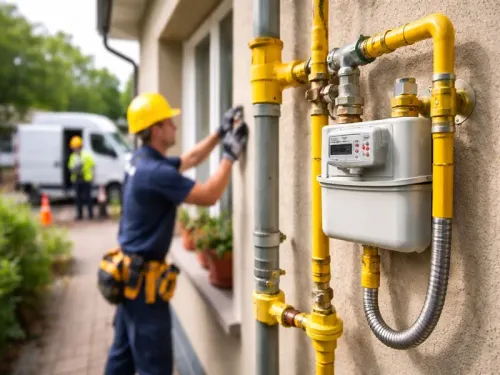
With 6,87,966 inch-km of pipeline already laid across the country, officials say there is untapped potential for another 1.30 crore connections. The PNGRB has authorised approximately 34,233 km of natural gas pipeline (NGPL) network — covering common carrier, spur line, tie-in connectivity, and dedicated pipelines — of which 25,429 km had been made operational as of June 2025. A further 10,459 km of pipeline is currently at various stages of construction.
How PNG Drive 2.0 Compared
The preceding PNG Drive 2.0 delivered 12.10 lakh new connections, 13.37 lakh billed connections, and 15.31 lakh domestic PNG registrations. Daily domestic PNG additions rose 43 per cent during that phase, while billed consumer additions surged 166 per cent. Drive 3.0's targets are significantly more ambitious, reflecting the expanded network base and a policy push to accelerate the LPG-to-PNG transition at scale.
The 'One Nation, One Gas Grid' Push
PNG Drive 3.0 sits within the broader 'One Nation, One Gas Grid' framework, under which the Centre has approved key trunk pipelines, extended viability gap funding in low-demand areas, introduced a unified tariff structure, accelerated CGD network expansion, and facilitated the setting up of Liquefied Natural Gas (LNG) terminals. Officials argue that assured gas supply at competitive prices not only improves household convenience but also strengthens manufacturing competitiveness in industrial clusters, reduces operational costs, and supports job creation.
Environment and Air Quality Angle
Within CGD networks, the wider availability of CNG and PNG is expected to promote cleaner mobility and domestic energy use, with downstream benefits for air quality and environmental sustainability. The drive's rural expansion component is also seen as reducing dependence on traditional fuels — firewood and coal — in areas where clean energy access has historically lagged. As India's energy transition discourse intensifies, the government is positioning natural gas as a pragmatic bridge fuel while renewable capacity scales up.
Point of View
Which raises a credibility question the government has yet to fully answer. Activating dormant connections — households that registered but never switched — requires fixing pricing and supply reliability issues that infrastructure buildout alone cannot resolve. India's 6 per cent gas share has stubbornly resisted policy nudges for years; the real lever is competitive pricing against LPG, which is still subsidised. Until that structural gap closes, PNG adoption in rural and semi-urban India will remain a campaign metric more than a sustained behavioural shift.
NationPress
1 Oct 2026
Frequently Asked Questions
What is National PNG Drive 3.0?
National PNG Drive 3.0 is a government-led six-month campaign, running from 1 October 2026 to 31 March 2027, to accelerate piped natural gas adoption across India. It targets 50 lakh new connections, 40 lakh dormant-to-active conversions, and 50 lakh new PNG registrations.
Who launched PNG Drive 3.0 and when?
Petroleum and Natural Gas Minister Hardeep Singh Puri launched the drive on 1 October 2026 at an event marking PNGRB's 20th Foundation Day in New Delhi. The campaign involves CGD entities, oil marketing companies, and the Ministry of Petroleum and Natural Gas.
How did PNG Drive 2.0 perform compared to Drive 3.0's targets?
PNG Drive 2.0 resulted in 12.10 lakh new connections, 13.37 lakh billed connections, and 15.31 lakh registrations. Drive 3.0's targets are significantly more ambitious, with daily domestic PNG additions having already grown 43% and billed consumer additions up 166% during the previous phase.
What is India's current share of natural gas in its energy mix?
Natural gas currently accounts for around 6 per cent of India's primary energy mix. The government's stated goal is to increase this share substantially, with PNG Drive 3.0 forming a key part of that push alongside the 'One Nation, One Gas Grid' initiative.
What infrastructure supports PNG Drive 3.0?
As of June 2025, 25,429 km of the PNGRB-authorised 34,233 km NGPL network was operational, with 10,459 km under construction. A total of 6,87,966 inch-km of pipeline has already been laid, with capacity estimated for 1.30 crore additional connections.