Government Sets Ambitious Goal for PNG Infrastructure: 50 Lakh New Connections Planned
Synopsis
Union Minister Manohar Lal reveals plans to enhance PNG infrastructure in urban areas, aiming for 50 lakh new connections. Key initiatives include streamlined approvals and better integration into urban planning to ensure reliable service delivery.
Key Takeaways
Ambitious Target: Government aims for 50 lakh new PNG connections.
Streamlined Approvals: Focus on single-window processes for faster implementation.
Environmental Benefits: PNG offers safety and sustainability advantages over LPG.
Collaboration: Enhanced cooperation among departments is essential for success.
Consumer Education: Important for smooth transition from LPG to PNG.
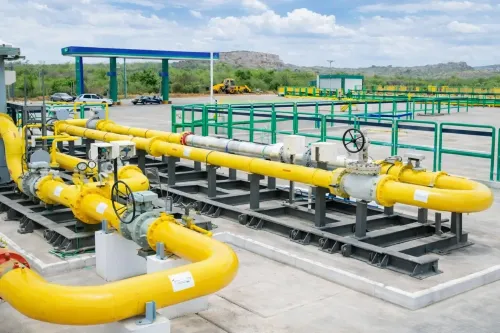
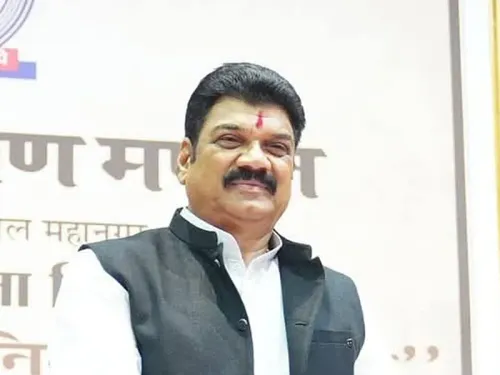
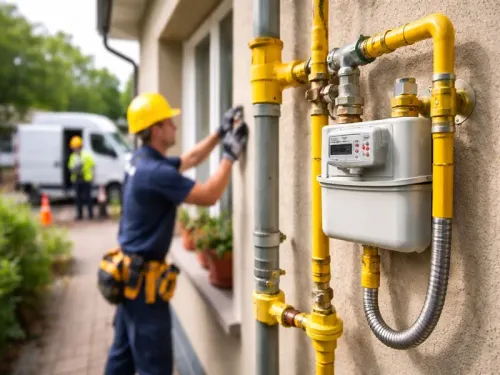
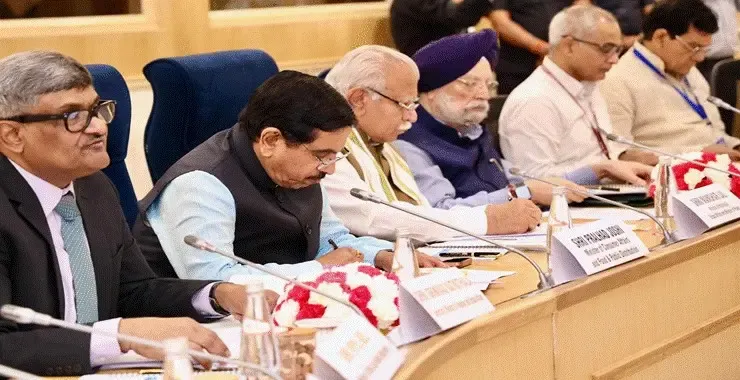
New Delhi, March 28 (NationPress) On Saturday, Union Minister Manohar Lal emphasized critical initiatives aimed at enhancing the infrastructure for Piped Natural Gas (PNG). This includes the establishment of single-window approvals, the incorporation of PNG facilities into urban planning, and the facilitation of last-mile connectivity in conjunction with existing urban development projects.
During a review meeting, he reiterated the significant role that cities play as engines of economic growth and called for a mission-driven approach to expedite the expansion of PNG.
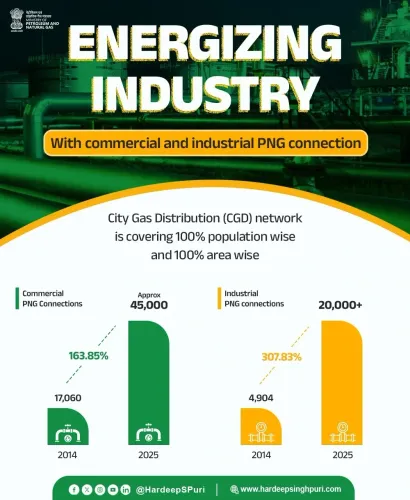
The Ministry of Housing and Urban Affairs has set an ambitious goal of delivering 50 lakh new PNG connections.
This meeting gathered vital stakeholders to discuss strategies for speeding up the expansion of the PNG network throughout urban India, ensuring a consistent supply of essential services.
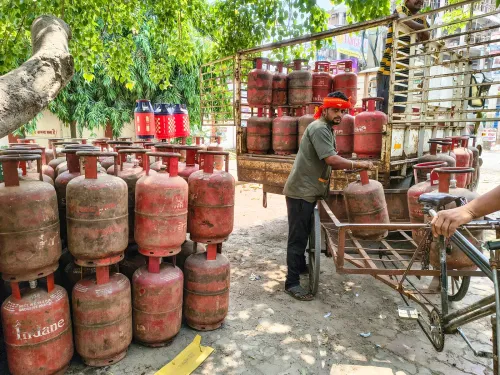
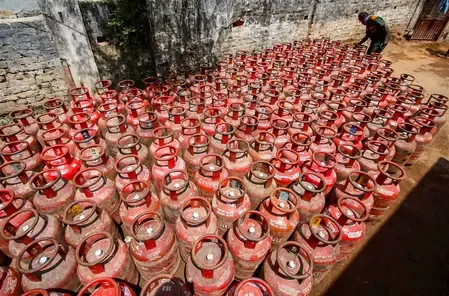
The Ministry of Petroleum and Natural Gas provided a comprehensive overview of the current PNG rollout, highlighting its benefits over LPG regarding safety, reliability, cost-effectiveness, and environmental sustainability.
Challenges such as delays in municipal approvals, Right of Way (RoW) clearances, and high restoration costs were identified as barriers hindering timely network growth.
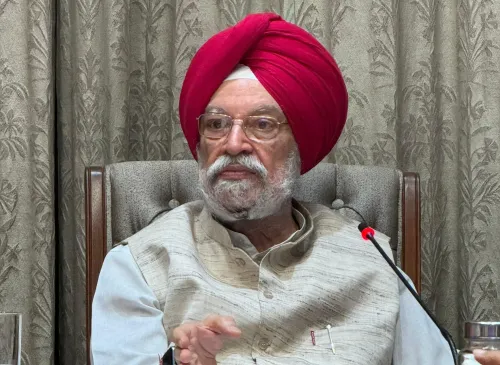
Union Minister Hardeep Singh Puri acknowledged the changing global energy dynamics, stressing the necessity of fortifying PNG infrastructure to improve energy security and resilience. He urged states and Urban Local Bodies (ULBs) to advocate for the adoption of PNG, especially in regions where infrastructure is already established.
Union Minister Pralhad Joshi highlighted the importance of ensuring uninterrupted essential supplies, combating misinformation, and preventing the black market for fuel.
He recommended that states bolster monitoring and vigilance systems and encourage consumers to switch from LPG to PNG whenever possible, prioritizing public institutions like schools and colleges.
Discussions during the roundtable revealed various best practices, including expediting road-cutting permissions and implementing deemed approval mechanisms to accelerate project execution.
Representatives from the states shared their insights, underlining the need for improved collaboration among Urban Development Departments, municipal authorities, and Food and Civil Supplies Departments for seamless implementation.
A strong consensus emerged on facilitating a phased and structured shift from LPG to PNG in areas with existing infrastructure, supported by sufficient consumer education and safeguards to ensure uninterrupted essential services.
Point of View
The government's focus on enhancing PNG infrastructure underscores a commitment to sustainable energy solutions and urban development. By streamlining approvals and fostering collaboration among various stakeholders, this initiative aims to ensure that essential services remain uninterrupted while promoting economic growth in urban areas.
NationPress
24 Sept 2026
Frequently Asked Questions
What is the target for new PNG connections?
The government aims to provide 50 lakh new Piped Natural Gas (PNG) connections.
What are the benefits of PNG over LPG?
PNG is considered safer, more reliable, cost-effective, and environmentally sustainable compared to LPG.
What challenges are faced in expanding the PNG network?
Key challenges include delays in municipal approvals, Right of Way (RoW) issues, and high restoration costs.
How will the government facilitate the transition to PNG?
The government plans to implement streamlined approval processes and enhance coordination among various departments.
Why is it important to promote PNG adoption?
Promoting PNG adoption is crucial for energy security, environmental sustainability, and ensuring consistent essential services.