Ports Minister Sonowal meets Korean MPs on maritime ties
Synopsis
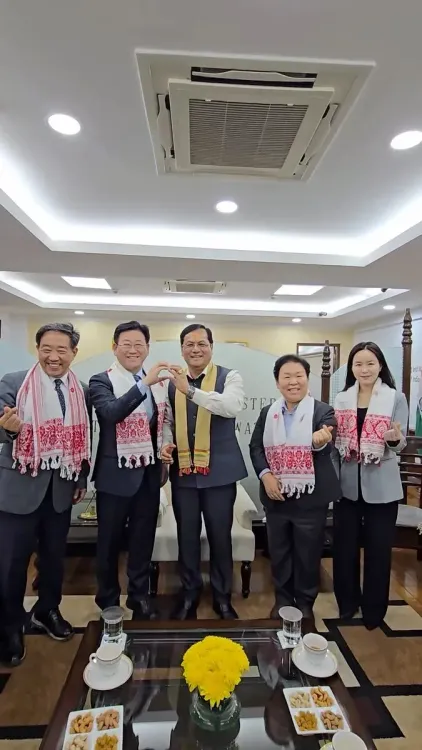
Union Ports Minister Sarbananda Sonowal met a Republic of Korea parliamentary delegation led by Kim Jung Ho under the MEA Distinguished Visitor Programme. Talks centred on shipping and shipbuilding, extending a partnership framed by the 2009 CEPA and the 2015 special strategic partnership.
Key Takeaways
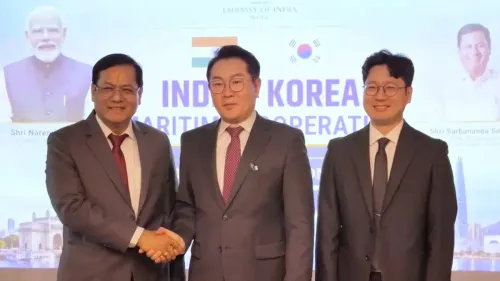
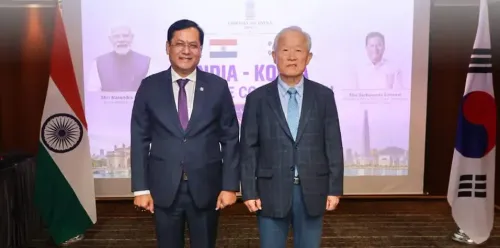
Union Ports and Shipping Minister Sarbananda Sonowal met a Korean parliamentary delegation led by Kim Jung Ho on Wednesday .
The visit is taking place under the Ministry of External Affairs Distinguished Visitor Programme.
Discussions focused on expanding co-operation in shipping, shipbuilding and allied industries.
India and South Korea signed a Comprehensive Economic Partnership Agreement in 2009 and became special strategic partners in 2015 .
India's Sagarmala programme, launched in 2015 , aims at port modernisation and domestic shipbuilding.
Sonowal said he is confident both nations will strengthen ties through greater collaboration.
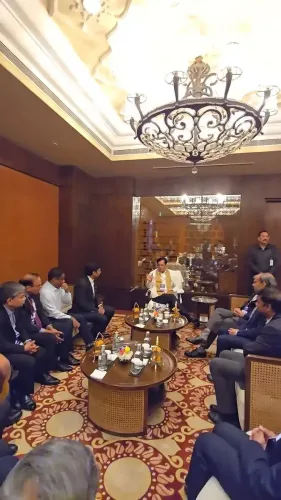
Union Ports and Shipping Minister Sarbananda Sonowal put shipbuilding at the centre of talks on Wednesday with a visiting parliamentary delegation from the Republic of Korea, led by Kim Jung Ho and touring India under the Ministry of External Affairs' Distinguished Visitor Programme. Seoul is a global yard power. New Delhi is racing to grow its own maritime capacity, and this meeting sat exactly at that intersection.
Sonowal said he was delighted to meet the distinguished delegation and discussed expanding co-operation in shipping, shipbuilding and allied industries, while exploring new opportunities to strengthen the maritime partnership. He added that India and South Korea share a close and growing partnership across diverse sectors, and that through greater collaboration and shared determination both nations would continue to strengthen ties and advance together.
Kim Jung Ho's tour under the MEA visitor programme
The Ministry of External Affairs uses the Distinguished Visitor Programme to keep parliamentary channels open with key partners. A Korean legislative team moving through India is how New Delhi and Seoul keep the special strategic partnership from living only in summit communiques.
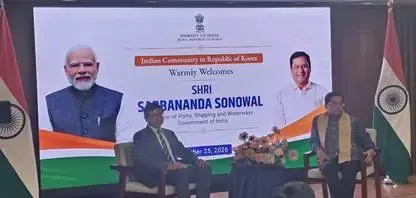
Sonowal publicly marked the Indian mission in Seoul and the Korean Embassy in India, placing the conversation inside a wider diplomatic track rather than a one-off courtesy call. For Indian shipping firms and Korean builders, that is the room that matters: lawmakers who can later back industrial cooperation at home.
Shipbuilding, Sagarmala and the 2009 CEPA
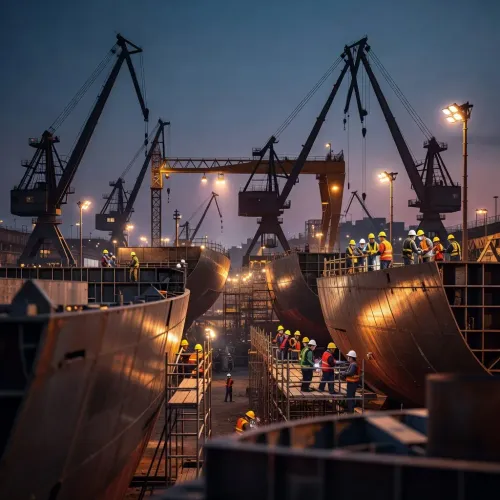
South Korea is a global leader in shipbuilding. India, through the Sagarmala programme launched in 2015, has been trying to modernise ports and grow a domestic shipbuilding base. That industrial mismatch is the logic of putting hulls and allied industries on the table with visiting Korean MPs.
The two countries already have a legal spine for this work. The India-Republic of Korea Comprehensive Economic Partnership Agreement, signed in 2009, set frameworks for trade, investment and services that can encompass maritime sectors. In 2015 they elevated ties to a special strategic partnership. Parliamentary exchanges of this kind are how those frameworks get translated into concrete industry conversations.
Act East and the Indo-Pacific maritime bet
The meeting fits a broader pattern. Under the Act East Policy, India has pursued deeper maritime and economic engagement with South Korea specifically to tap Korean expertise in shipbuilding and port development. The Indo-Pacific is the theatre. Ports and hulls are the hardware.
Sonowal's public remarks did not list new formal commitments. The watchpoint is follow-through: joint working groups, technology-transfer talks, and whether maritime cooperation surfaces at the next India-Korea bilateral summit. For now the signal from the Ports Minister is unambiguous. The partnership is close, it is growing, and shipbuilding is on the worklist.
Steel in Indian docks is the measure that will matter after the handshake.
Point of View
Korea wants markets and a deeper Indo-Pacific economic footprint. The test is whether the conversation hardens into working groups or technology-transfer tracks rather than remaining a well-worded readout.
NationPress
25 Nov 2026
Frequently Asked Questions
Who did Sarbananda Sonowal meet from South Korea?
He met a parliamentary delegation from the Republic of Korea led by Kim Jung Ho, touring India under the Ministry of External Affairs Distinguished Visitor Programme. The talks covered shipping, shipbuilding and allied industries.
What is the MEA Distinguished Visitor Programme?
It is a Ministry of External Affairs programme that brings distinguished visitors, including parliamentarians from partner countries, to India to deepen institutional ties. This Korean legislative tour is one such exchange.
What economic agreements exist between India and South Korea?
The two countries signed a Comprehensive Economic Partnership Agreement in 2009 covering trade, investment and services. In 2015 they elevated the relationship to a special strategic partnership, which now frames cooperation in maritime and other sectors.
Why is South Korea important for India's shipbuilding plans?
South Korea is a global leader in shipbuilding, while India's Sagarmala programme, launched in 2015, seeks to modernise ports and expand domestic shipbuilding. Cooperation offers a path to technology, investment and industrial capacity.
What did Sonowal say about India-South Korea ties?
He said India and South Korea share a close and growing partnership across diverse sectors. He expressed confidence that greater collaboration and shared determination would strengthen ties and help both nations advance together.