Prabhadevi demolition drive halted after Dy CM Shinde calls Railway Minister Vaishnaw
Synopsis
A demolition squad with JCBs had arrived to raze 101 railway-land structures near Prabhadevi station — only to be called off mid-operation after Dy CM Eknath Shinde phoned Railway Minister Vaishnaw and invoked a prior rehabilitation agreement. The episode exposes a coordination breakdown between the Centre and Maharashtra, with the fate of residents who have lived at the site for up to 60 years still unresolved.
Key Takeaways
Western Railway launched a drive to demolish 101 unauthorised structures near Prabhadevi station on Thursday–Friday, 20 November .
The operation was halted after Maharashtra Dy CM Eknath Shinde called Union Railway Minister Ashwini Vaishnaw directly.
Shinde cited a prior joint meeting of the SRA , State Housing Department , and Railway Ministry where a rehabilitation-first agreement was reached.
A Detailed Project Report (DPR) was jointly prepared by the Railways' R&D wing and SRA, stipulating no demolition until resettlement is finalised.
Residents, some settled at the site for 50 to 60 years , demanded proper rehabilitation before any eviction.
Shiv Sena (UBT) leader Ajay Choudhari and MNS leader Bala Nandgaonkar joined protests on the ground.
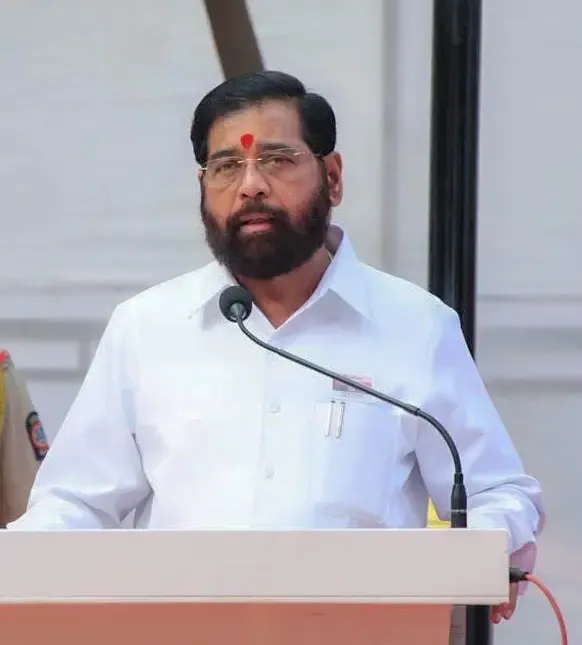
A major anti-encroachment demolition drive near Prabhadevi railway station on Mumbai's Western line was abruptly halted on Friday, 20 November, after Maharashtra Deputy Chief Minister Eknath Shinde intervened with a direct phone call to Union Railway Minister Ashwini Vaishnaw, securing an immediate suspension of the operation.
What Was Planned
Western Railway had scheduled a two-day demolition exercise — spanning Thursday and Friday — to clear 101 unauthorised structures occupying railway land on the west side of Prabhadevi station. A demolition squad arrived at the site with JCB excavators and heavy police deployment, fully prepared to execute the drive.
Protests and Political Pushback
The move immediately drew fierce resistance from local residents, who demanded proper rehabilitation before any structures were razed. Shiv Sena (UBT) leader Ajay Choudhari and Maharashtra Navnirman Sena (MNS) leader Bala Nandgaonkar joined the protesters on the streets and made urgent calls to authorities in a bid to halt the drive. Despite the opposition, railway officials and police initially refused to stand down, and a prolonged standoff ensued.
How the Standoff Ended
The situation was resolved only after Deputy Chief Minister Shinde stepped in and spoke directly with Minister Vaishnaw, urging an immediate halt and requesting that no further action be taken without first taking local residents into confidence. Following the call, Vaishnaw issued orders to suspend the operation, and the JCBs and demolition teams withdrew from the area.
What Shinde Said
Shinde explained that a joint meeting between the Slum Rehabilitation Authority (SRA), the State Housing Department, and the Railway Ministry had already taken place the previous week, at which a rehabilitation-first understanding had been reached. 'I personally discussed this with Railway Minister Ashwini Vaishnaw during that meeting,' he said. He emphasised that the affected residents had been living at the site for 50 to 60 years and were not recent settlers, adding: 'We must ensure their proper rehabilitation. Together, the Railway Department and the Housing Department will rehabilitate them.'
Shinde noted that the Railways' research and development wing and the SRA policy team had jointly prepared a Detailed Project Report (DPR), with a clear understanding that no demolition would occur until rehabilitation arrangements were in place. Expressing disappointment that railway officials nonetheless proceeded to the site, he said: 'I just spoke with Ashwini Vaishnaw and reminded him that this action shouldn't happen given our prior understanding. He assured me that he would instruct his officials to stop the drive immediately.'
What Happens Next
The suspension buys time for the SRA, State Housing Department, and Railway Ministry to formalise the rehabilitation framework outlined in the DPR. The 101 structures remain standing for now, with residents awaiting a concrete resettlement plan. How quickly the three agencies can align on a timeline will determine whether Friday's reprieve leads to a lasting solution or simply delays an inevitable confrontation.
Point of View
The question is why demolition squads were dispatched at all. The episode also exposes the political pressure points in Mumbai's rail-land disputes: with Shiv Sena (UBT) and MNS both mobilising on the ground, the governing coalition cannot afford to be seen evicting long-settled residents without a resettlement plan. The harder test comes when the rehabilitation framework must actually be delivered — something Mumbai's slum policy machinery has struggled with repeatedly.
NationPress
20 Nov 2026
Frequently Asked Questions
Why was the Prabhadevi demolition drive halted?
The drive was halted on 20 November after Maharashtra Deputy Chief Minister Eknath Shinde called Union Railway Minister Ashwini Vaishnaw and reminded him of a prior agreement that no demolition would occur until a rehabilitation plan was in place. Vaishnaw then ordered the operation suspended immediately.
How many structures were targeted in the Prabhadevi demolition drive?
Western Railway had planned to demolish 101 unauthorised structures on railway land on the west side of Prabhadevi station in Mumbai. The two-day drive was scheduled for Thursday and Friday.
What is the rehabilitation plan for affected residents?
A Detailed Project Report (DPR) was jointly prepared by the Railways' R&D wing and the SRA policy team, outlining a rehabilitation framework under which the Railway Department and the State Housing Department would resettle residents together. The plan is yet to be formally activated.
Who are the residents facing eviction near Prabhadevi station?
According to Deputy Chief Minister Shinde, the residents have been living at the site for 50 to 60 years and are not recent settlers. He argued their long tenure makes proper rehabilitation a prerequisite before any demolition is carried out.
Which political leaders opposed the Prabhadevi demolition drive?
Shiv Sena (UBT) leader Ajay Choudhari and Maharashtra Navnirman Sena (MNS) leader Bala Nandgaonkar joined residents in street protests and made urgent calls to authorities to stop the drive before Dy CM Shinde's intervention ultimately succeeded.