Pradhan attends NISER Bhubaneswar 15th Graduation
Synopsis
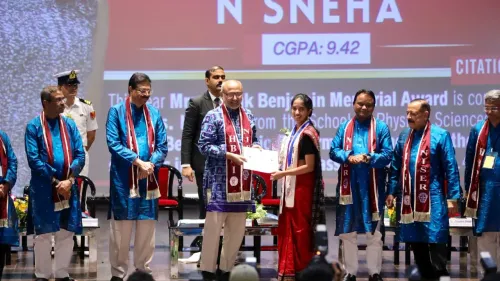
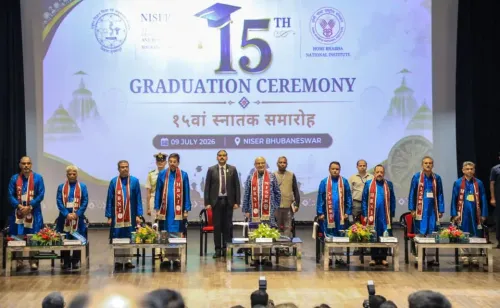
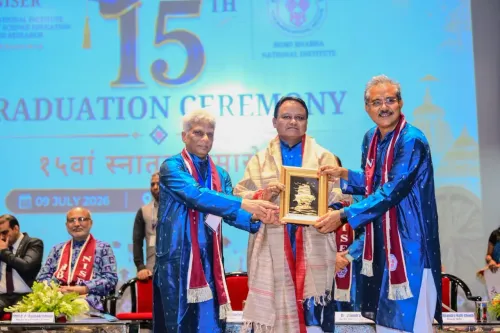
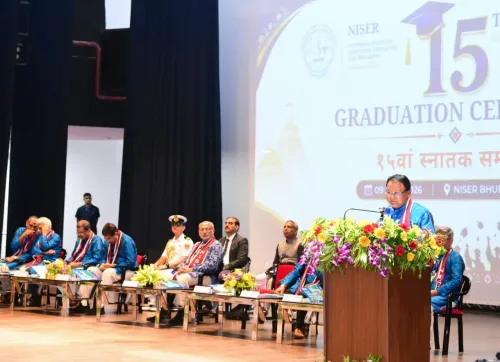
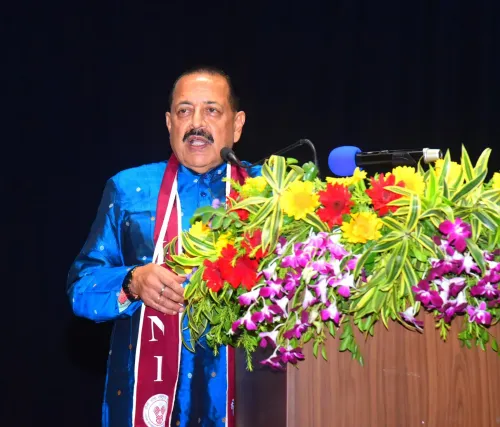
Union Education Minister Dharmendra Pradhan attended the 15th Graduation Ceremony of NISER Bhubaneswar on 9 July 2026, reaffirming the government's commitment to research-intensive science education under the Department of Atomic Energy and the National Education Policy 2020 framework.
Key Takeaways
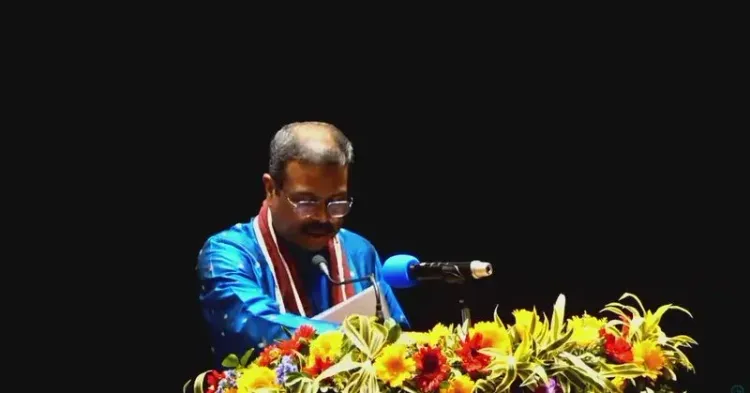
Union Education Minister Dharmendra Pradhan attended the 15th Graduation Ceremony of NISER Bhubaneswar on 9 July 2026 .
NISER is an autonomous institute established in 2007 under the Department of Atomic Energy to promote integrated science education and research.
Bhubaneswar , capital of Odisha , hosts several premier science and technology institutions, with NISER among the most prominent.
The event reflects the government's engagement with centrally funded science institutes in line with the National Education Policy 2020 's emphasis on research-intensive higher education.
Pradhan, who is from Odisha, has been a consistent advocate for expanding quality higher education infrastructure in the state.
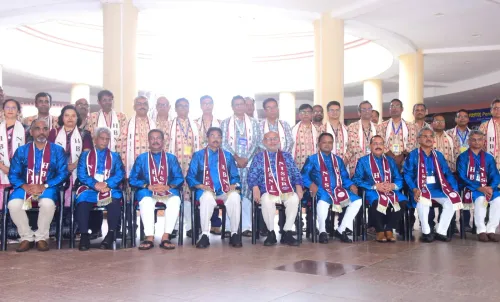
Union Education Minister Dharmendra Pradhan attended the 15th Graduation Ceremony of the National Institute of Science Education and Research (NISER) in Bhubaneswar, Odisha, on 9 July 2026, marking another high-profile ministerial engagement with a premier science institution under the Department of Atomic Energy.
Context
NISER Bhubaneswar is an autonomous institute established in 2007 under the Department of Atomic Energy with the mandate of promoting integrated, research-intensive science education at the undergraduate and postgraduate levels. The institute is recognised as one of India's centres of excellence in basic sciences, drawing students from across the country through a competitive national entrance process.
The graduation ceremony marks the culmination of rigorous, multidisciplinary science training for the outgoing batch of students, many of whom proceed to advanced research programmes in India and abroad. Bhubaneswar, the capital of Odisha, hosts several premier scientific and educational institutions, cementing its reputation as a hub for science and technology in eastern India.
Policy Backdrop
Ministerial participation in convocations of Department of Atomic Energy-affiliated institutes reflects the government's sustained emphasis on strengthening STEM capacity beyond traditional metropolitan centres. The National Education Policy 2020 explicitly prioritises research-intensive higher education and multidisciplinary science training — goals that NISER's model directly embodies.
Pradhan, who holds the Education portfolio and hails from Odisha, has been a consistent advocate for expanding quality higher education infrastructure in the state and across the country. His presence at the 15th Graduation Ceremony underscores the ministry's engagement with centrally funded science institutions and their annual output of trained researchers.
Stakeholders and Impact
The graduating students of NISER — trained in disciplines ranging from biology and chemistry to mathematics and physics — represent a cohort of researchers equipped to contribute to India's science and technology ecosystem. Their placement in doctoral programmes and research organisations has direct bearing on the country's long-term scientific capacity.
For Odisha, the ceremony signals continued federal investment in the state's intellectual and research infrastructure. The broader STEM student community and science policymakers across India watch such events as indicators of government commitment to basic science research, which often lacks the visibility of applied technology programmes.
What's Next
Further visits by the Education Minister to other Department of Atomic Energy or centrally funded science institutes are expected as part of the ministry's ongoing outreach calendar. Stakeholders will watch for any announcements regarding new academic programmes, infrastructure expansion, or increased research funding at NISER Bhubaneswar and peer institutions. The government's articulated goal of positioning India as a global science and innovation hub makes such engagements a regular feature of the ministerial agenda.
Point of View
Reinforcing the government's narrative of investing in basic science beyond metro centres. For a minister who represents Odisha politically, the appearance at a Bhubaneswar institution carries dual significance — national policy signalling and regional outreach. Under the National Education Policy 2020 framework, such engagements serve as soft endorsements of the research-university model that the government is actively trying to scale. The regularity of these visits suggests the Education Ministry views DAE institutes as flagship proof points for its broader STEM ambitions.
NationPress
8 Oct 2026
Frequently Asked Questions
What is NISER Bhubaneswar?
NISER, or the National Institute of Science Education and Research, is an autonomous institute in Bhubaneswar established in 2007 under the Department of Atomic Energy. It offers integrated science programmes at the undergraduate and postgraduate levels and is considered one of India's premier centres for basic science education and research.
Why did Dharmendra Pradhan attend the NISER graduation?
As Union Education Minister, Pradhan attended the 15th Graduation Ceremony of NISER Bhubaneswar on 9 July 2026, as part of the government's routine engagement with centrally funded and Department of Atomic Energy-affiliated science institutions.
Which ministry oversees NISER Bhubaneswar?
NISER Bhubaneswar is under the administrative oversight of the Department of Atomic Energy, a central government department that also oversees other premier research and education institutions in nuclear and basic sciences.
What is the significance of the 15th Graduation Ceremony at NISER?
The 15th Graduation Ceremony marks over a decade and a half of NISER producing trained science researchers. The graduating cohort is expected to contribute to India's research ecosystem through doctoral programmes and scientific organisations in India and abroad.
How does NISER relate to the National Education Policy 2020?
NISER's model of integrated, multidisciplinary, research-intensive science education closely aligns with the goals of the National Education Policy 2020, which prioritises building research capacity and moving beyond rote-learning in higher education.