Pradhan meets Bhutan Education Minister, eyes deeper ties
Synopsis
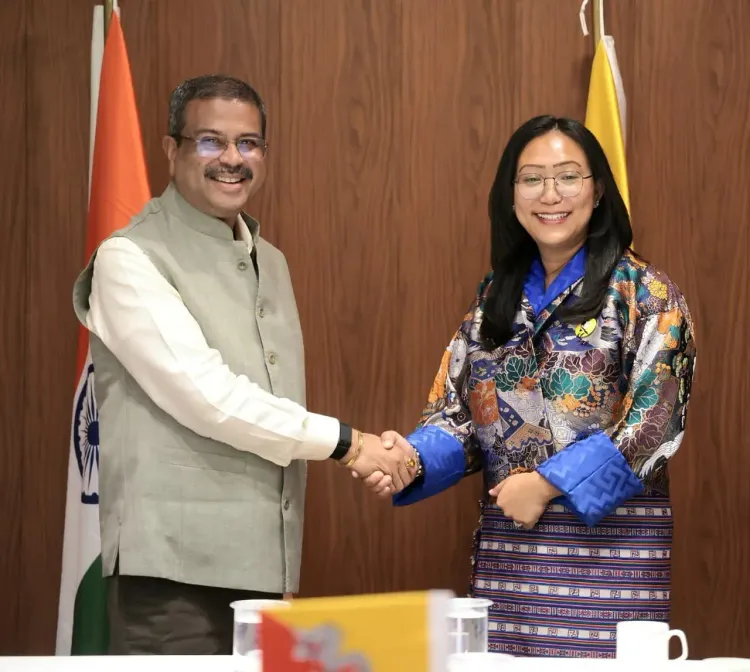
Union Education Minister Dharmendra Pradhan met Bhutan's Education Minister Yeezang De Thapa on 26 June 2026, discussing teacher training, digital education, AI and skilling. The talks reflect India's Neighbourhood First approach, with NEP 2020 as a shared reform framework and a historic Buddhist spiritual bond adding cultural depth.
Key Takeaways
Union Education Minister Dharmendra Pradhan held talks with Bhutan's Yeezang De Thapa on 26 June 2026 on bilateral education and skills cooperation.
Discussions covered teacher training, skilling, employability, digital education, AI, sustainable tourism and traditional medicine .
India's NEP 2020 framework is positioned as a foundation for aligning both countries' educational reform agendas.
Guru Padmasambhava , revered in Bhutan as Guru Rinpoche, is traditionally linked to Sambalpur, Odisha — Pradhan's own parliamentary constituency.
Possible follow-up outcomes include MoUs on teacher training, AI in education and joint digital platforms .
The engagement sits within India's broader Neighbourhood First diplomatic approach to the region.
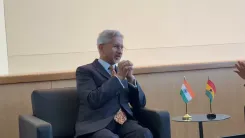
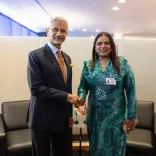
Union Education Minister Dharmendra Pradhan met Yeezang De Thapa, Bhutan's Minister of Education and Skills Development, on Friday, 26 June 2026, for wide-ranging discussions on deepening bilateral cooperation in education, skills and knowledge partnerships.
Pradhan described the exchange as 'thoughtful', noting that the two sides focused on teacher training, skilling and employability, digital education and artificial intelligence, sustainable tourism, traditional medicine and holistic well-being. The meeting signals a broadening of the India-Bhutan education partnership beyond traditional scholarship and exchange programmes.
Context
The meeting comes as Bhutan undertakes what Pradhan called 'transformative educational reforms', creating, in his view, 'immense potential for both our countries to collaborate on larger platforms of learning, innovation and capacity building.' India's National Education Policy 2020 (NEP 2020) — which emphasises skills, digital learning and international collaboration — provides a ready framework for aligning reform agendas.
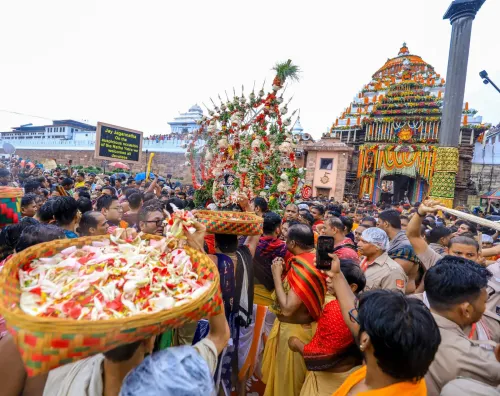
Pradhan also invoked a distinctive cultural thread: the eighth-century Buddhist master Guru Padmasambhava, revered across Bhutan as Guru Rinpoche and credited with transmitting Vajrayana Buddhism to the Himalayas, is traditionally linked to Sambalpur in Odisha — the constituency Pradhan represents in Parliament. 'This enduring spiritual connection continues to enrich the friendship between our two peoples,' he wrote.
Policy Backdrop
India-Bhutan education cooperation has a long institutional history. Regular teacher-exchange and scholarship programmes have run under the India-Bhutan Friendship Treaty framework since the 1990s, and the 2007 revision of that treaty formally expanded cooperation into education, culture and human-resource development.
The current discussions extend that lineage into newer domains — AI-enabled learning, digital platforms and employability skilling — reflecting the priorities both governments have signalled in their domestic reform agendas. India's Neighbourhood First policy treats such capacity-building partnerships as integral to regional diplomacy, combining official cooperation with cultural and people-to-people linkages.
Stakeholders and Impact
Students, teachers and youth in both countries stand to benefit most directly from any follow-through on the areas discussed. Teacher training programmes, if formalised, could help Bhutan address gaps as it restructures its school system, while Indian institutions — particularly those aligned with NEP 2020 goals — could gain collaborative research and exchange opportunities.
The emphasis on sustainable tourism and traditional medicine alongside conventional education themes suggests the partnership is being framed holistically, potentially drawing in health, hospitality and wellness sectors. Pradhan's tagging of @MSDESkillIndia and @NEP2020 in his post indicates that the Ministry of Skill Development and Entrepreneurship is also expected to play a role in any follow-up action.
What's Next
Both sides are expected to explore formal instruments — possibly memoranda of understanding on teacher training, AI in education and joint digital learning platforms — at upcoming bilateral or working-group-level meetings. The involvement of @MEAIndia, @PMOIndia and @DrSJaishankar in Pradhan's post suggests the education track is being positioned within a broader diplomatic conversation.
As India and Bhutan look to build what Pradhan described as 'future-ready, knowledge-based societies,' the outcomes of this meeting could set the agenda for the next round of formal India-Bhutan bilateral talks on education and human-resource development.
Point of View
Using education and skilling as soft-power instruments to reinforce a relationship that is already treaty-bound and culturally deep. By anchoring the diplomatic conversation in both NEP 2020 goals and the Guru Padmasambhava connection, the minister is blending technocratic reform language with civilisational diplomacy — a signature BJP foreign-policy register. The breadth of topics, from AI to traditional medicine, signals that both sides want to move beyond conventional scholarship programmes toward a more comprehensive knowledge partnership. Whether this exchange translates into binding MoUs will determine its real policy weight.
NationPress
25 Sept 2026
Frequently Asked Questions
Why did Dharmendra Pradhan meet Bhutan's Education Minister?
Pradhan met Bhutan's Minister of Education and Skills Development Yeezang De Thapa on 26 June 2026 to discuss deepening bilateral cooperation in teacher training, digital education, AI, skilling and traditional medicine, as part of India's ongoing Neighbourhood First engagement with Bhutan.
What is the connection between Guru Padmasambhava and India?
Guru Padmasambhava, revered in Bhutan as Guru Rinpoche for transmitting Vajrayana Buddhism to the Himalayas, is traditionally linked to present-day Sambalpur in Odisha. Pradhan, who represents Sambalpur in Parliament, cited this as a meaningful spiritual bond between India and Bhutan.
How does NEP 2020 relate to India-Bhutan education ties?
India's National Education Policy 2020 emphasises skills, digital learning, teacher training and international collaboration — priorities that align closely with Bhutan's own educational reform agenda, making it a natural framework for bilateral cooperation.
What areas of cooperation did India and Bhutan discuss in the 2026 education talks?
The two sides discussed teacher training, skilling and employability, digital education and artificial intelligence, sustainable tourism, traditional medicine and holistic well-being, with a view to building future-ready knowledge-based societies.
What is the history of India-Bhutan education cooperation?
India and Bhutan have run teacher-exchange and scholarship programmes since the 1990s under the India-Bhutan Friendship Treaty framework. The 2007 revision of that treaty formally expanded cooperation to include education, culture and human-resource development.