Pradhan joins Dhenkanal padyatra, invokes Murmu and Modi as democracy's proof
Synopsis
Union Education Minister Dharmendra Pradhan joined the 'Loktantra Bachao - Arajkata Hatao' padyatra in Dhenkanal, Odisha, using President Draupadi Murmu's tribal roots and PM Modi's humble origins to challenge Congress and the INDIA alliance on democratic representation and dynastic politics.
Key Takeaways
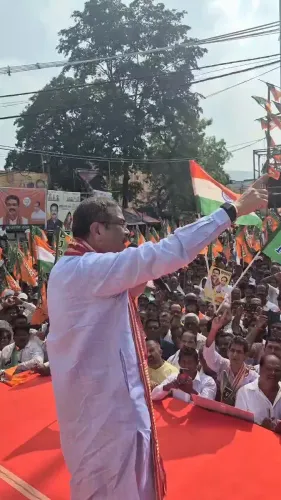
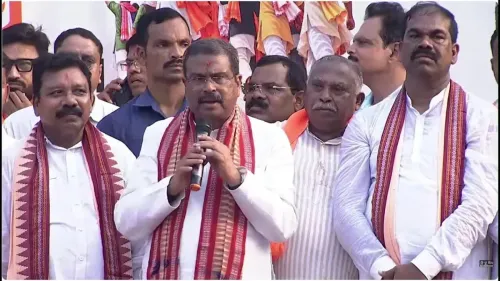
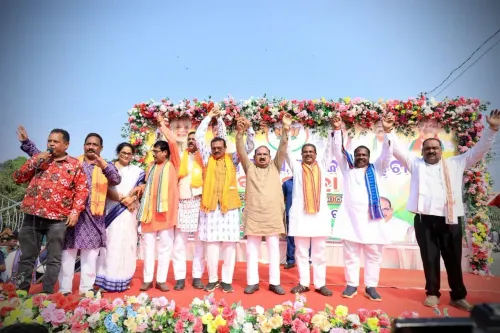
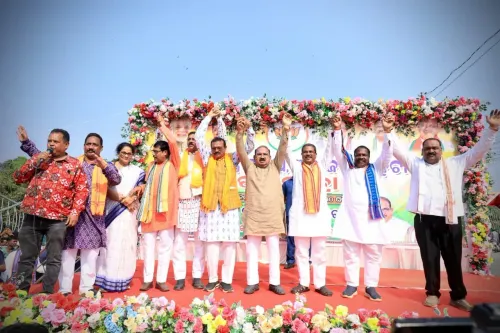
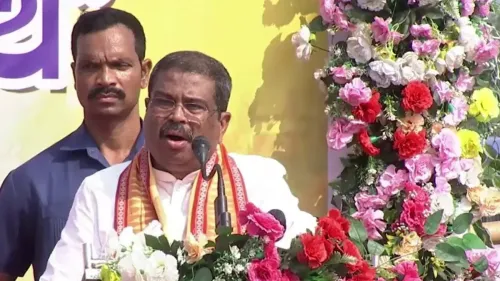
Dharmendra Pradhan participated in the 'Loktantra Bachao - Arajkata Hatao' padyatra in Dhenkanal, Odisha on 12 November 2026 .
President Draupadi Murmu , elected in July 2022 , is cited as the first tribal person to hold India's highest constitutional office and a symbol of democracy's reach.
PM Narendra Modi is invoked as the son of a tea-seller who rose to lead the country — contrasted with dynastic Congress leadership.
Pradhan directly accused Congress and the INDIA alliance of treating governance as family property and being intolerant of leaders from poor or tribal backgrounds.
The BJP's tribal-empowerment narrative is especially significant in Odisha , where tribal communities form a substantial share of the electorate.
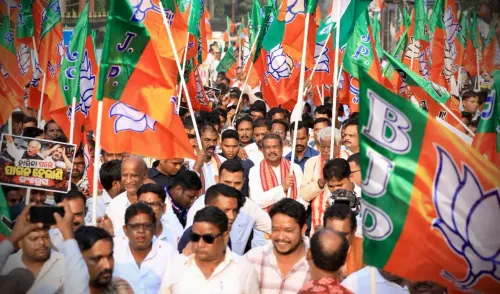
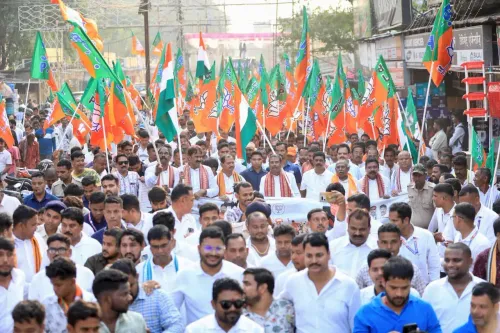
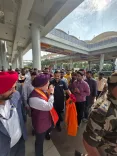
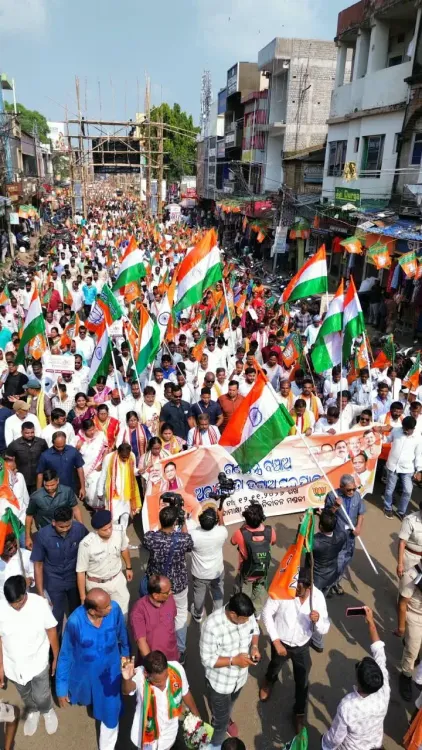
A padyatra through the streets of Dhenkanal, Odisha, on Thursday, 12 November 2026, gave Union Education Minister Dharmendra Pradhan a platform to sharpen one of the BJP's sharpest electoral arguments: that real democracy lifts the marginalised, and that the Congress-led opposition cannot stomach it.
Joining the march under the banner 'Loktantra Bachao - Arajkata Hatao' ('Save Democracy — Remove Anarchy'), Pradhan invoked two of India's most prominent symbols of non-elite leadership. He pointed to President Draupadi Murmu — a daughter of a tribal family from Odisha who now holds the country's highest constitutional office — and Prime Minister Narendra Modi, whom he described as 'the son of an ordinary tea-seller,' as living proof of democracy's transformative power.
Murmu and Modi as the BJP's sharpest contrast
Draupadi Murmu, elected the 15th President of India in July 2022, is a member of the Santhal community and the first tribal person to hold the office. Her rise from a village in Odisha to Rashtrapati Bhavan has been central to BJP's messaging on tribal empowerment since her election. Narendra Modi, Prime Minister since May 2014, has consistently been positioned by the BJP as the antithesis of dynastic privilege — a self-made leader from an ordinary family who rose through grassroots political work.
Pradhan's post directly charged that the top leadership of Congress and what he called the 'INDI' alliance had, across a 'long period of rule,' treated the country as 'personal family property rather than serving it' — and that such leaders could never tolerate a poor person's or a tribal person's leadership rising to the top.
Odisha as the terrain for a national argument
The choice of Dhenkanal — an interior Odisha district — as the venue is not incidental. Pradhan, himself a senior BJP leader from Odisha, has been a key bridge between the party's national messaging and its Odisha base. The padyatra format, a street march that evokes Gandhian mobilisation, amplifies the contrast between grassroots outreach and what the BJP frames as insular, Delhi-based dynastic power.
The 'Loktantra Bachao - Arajkata Hatao' campaign language mirrors BJP's broader national playbook — framing the opposition not merely as a political rival but as a structural threat to democratic aspirations of marginalised communities. That framing has driven campaign cycles across multiple states since 2014, but takes on particular weight in Odisha, where tribal communities constitute a significant share of the electorate.
Congress and the INDIA alliance in the crosshairs
Pradhan's post named Congress and the INDIA alliance — the multi-party opposition coalition formed in 2023 — as the target of this criticism. The BJP has consistently charged that Congress, over its decades in power, governed through dynastic succession and failed to allow leaders from non-elite or tribal backgrounds to reach the apex of power. The alliance has not yet publicly responded to the Dhenkanal padyatra.
With Odisha's political landscape remaining competitive and tribal voter sentiment a decisive factor, padyatras of this kind are as much about galvanising local cadre as about projecting national narrative. Pradhan's presence — as a Union Cabinet minister walking Odisha's streets — sends a signal about where the party sees its energies best invested.
The street has spoken; now watch whether the opposition finds a counter-march — or cedes the terrain entirely.
Point of View
The party attempts to convert abstract ideology into lived identity. The 'INDI alliance cannot tolerate non-elite leadership' charge is designed to put the opposition on the defensive on inclusion — a terrain the Congress has traditionally claimed as its own. As Odisha remains a contested state, the intensity of this outreach signals that the BJP views tribal voter consolidation as non-negotiable to its long-term hold on the state.
NationPress
12 Nov 2026
Frequently Asked Questions
What is the 'Loktantra Bachao - Arajkata Hatao' padyatra?
It is a BJP-organised street march in Odisha, the name translating to 'Save Democracy — Remove Anarchy,' aimed at mobilising support by contrasting BJP's record of elevating marginalised leaders against what the party frames as the Congress's dynastic rule.
Why did Dharmendra Pradhan join a padyatra in Dhenkanal?
Pradhan, a senior BJP leader from Odisha who serves as Union Education Minister, joined the Dhenkanal march on 12 November 2026 to amplify the BJP's narrative on tribal empowerment and democratic representation ahead of future electoral cycles.
How does the BJP use Draupadi Murmu's story in its political messaging?
The BJP presents President Draupadi Murmu — a tribal woman from Odisha elected India's 15th President in July 2022 — as proof that democracy under BJP governance enables the marginalised to reach the highest offices, countering the Congress's claim on inclusion.
What is the INDIA alliance and why does BJP criticise it?
The INDIA alliance is an opposition coalition formed in 2023 including Congress and several regional parties. BJP leaders like Pradhan charge that the alliance's top leadership is dynastic and intolerant of leaders from non-elite, tribal, or poor backgrounds.
What is the political significance of Dhenkanal for the BJP?
Dhenkanal is an interior Odisha district where padyatras serve dual purposes: local cadre mobilisation and projection of national narrative. With tribal communities forming a large share of Odisha's electorate, grassroots outreach here carries direct electoral weight.