Pradhan Pays Tribute to Rani Durgavati on Martyrdom Day
Synopsis
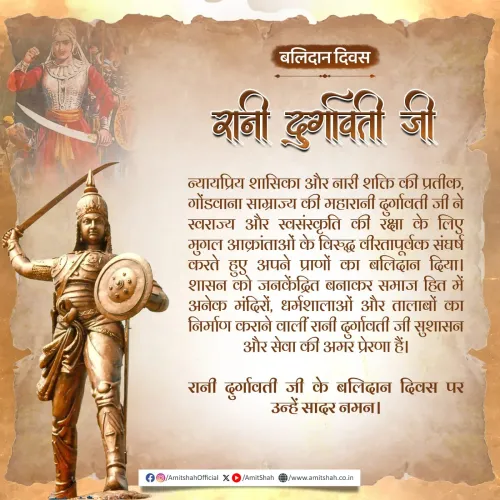
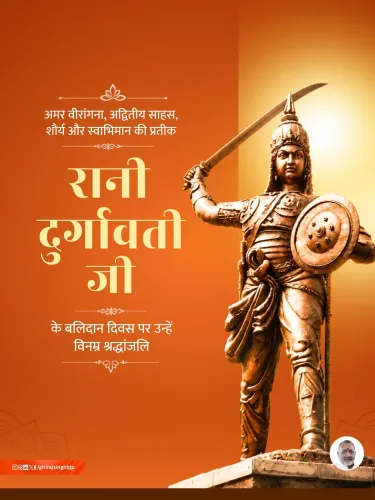
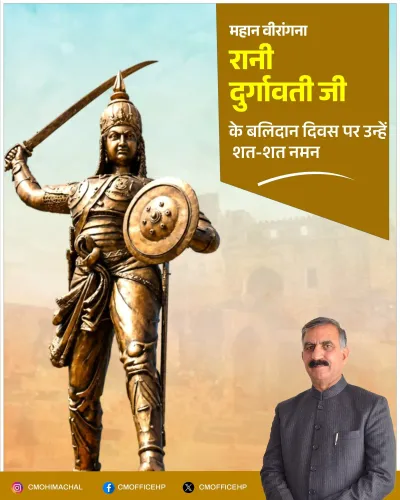
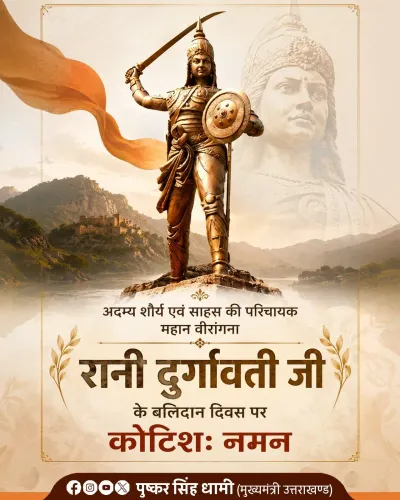
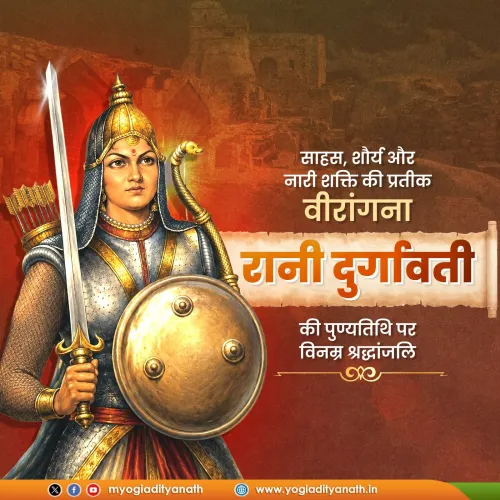
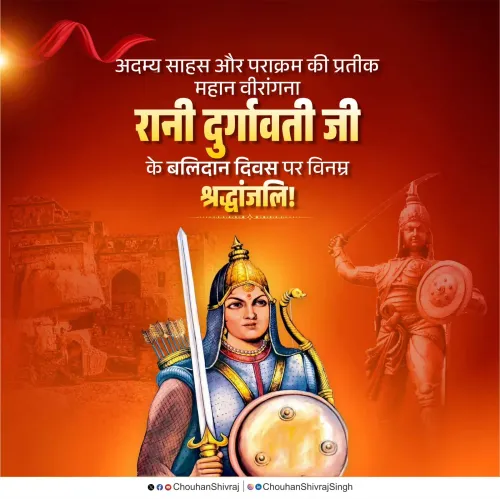
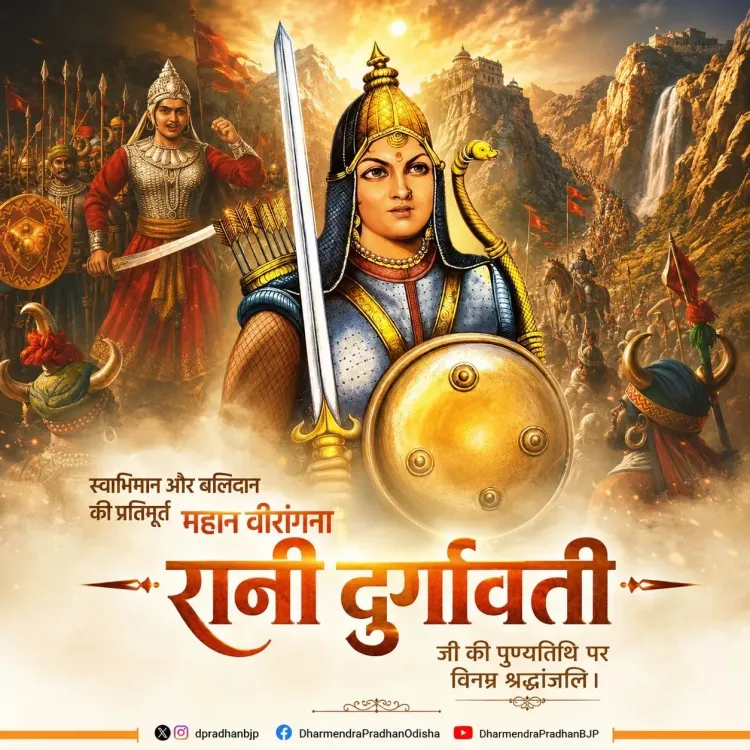
Union Education Minister Dharmendra Pradhan on 24 June 2026 paid tribute to Rani Durgavati, the 16th-century Gond warrior queen, on her martyrdom anniversary, calling her an immortal symbol of sacrifice, bravery, and self-respect whose saga forms a golden chapter in Indian history.
Key Takeaways
Dharmendra Pradhan , Union Education Minister, paid tribute to Rani Durgavati on her martyrdom day, 24 June 2026 .
Rani Durgavati was the queen of the Gond kingdom of Gondwana who attained martyrdom on 24 June 1564 during the Battle of Narrai resisting Mughal forces.
Pradhan described her life as 'an immortal inspiration of sacrifice, bravery, and self-respect' and her heroism as a 'golden chapter in Indian history.' The tribute aligns with the NEP 2020 mandate to integrate regional histories and role models into Indian curricula.
The BJP-led government has made annual ministerial tributes to pre-colonial women warriors a sustained part of its cultural and historical outreach.
Upcoming NCERT textbook revisions and Madhya Pradesh state events on 24 June are key spaces to watch for policy follow-through.
Union Education Minister Dharmendra Pradhan on Wednesday, 24 June 2026, paid tribute to Rani Durgavati, the 16th-century Gond queen and warrior, marking her martyrdom anniversary with a post on X that hailed her as a timeless symbol of self-respect, courage, and indomitable valour.
Writing in Hindi, the Minister offered his deepest salutations — 'शत्-शत् नमन' (a hundred salutes) — to the queen on her Balidan Diwas (martyrdom day). He described her life as 'an immortal inspiration of sacrifice, bravery, and self-respect' and said her saga of heroism 'will forever be remembered as a golden chapter in Indian history.'
Context
Rani Durgavati was the queen of the Gond kingdom of Gondwana, encompassing present-day Madhya Pradesh and surrounding regions. She attained martyrdom on 24 June 1564 during the Battle of Narrai, choosing death over surrender when Mughal forces under Emperor Akbar pressed their advance into her territory. She is widely revered as one of India's foremost women warriors who resisted foreign conquest to defend her homeland.
Her martyrdom anniversary is observed annually, with commemorations concentrated in Madhya Pradesh, where she remains a central figure in regional history and tribal heritage.
Policy Backdrop
Pradhan's tribute carries resonance beyond ceremonial gesture given his role as the minister overseeing the National Education Policy (NEP) 2020. The policy explicitly mandates integration of Indian heritage, regional histories, and role models into school and university curricula to foster cultural rootedness among students.
The BJP-led government has consistently issued public tributes to pre-colonial regional rulers and women warriors who resisted foreign invasions, framing them as symbols of indigenous sovereignty. This practice forms part of a broader effort to diversify historical narratives in official commemorations and educational content, moving beyond accounts centred predominantly on the Mughal period.
Stakeholders and Impact
The tribute is directed at students, educators, and citizens invested in Indian historical memory, particularly communities in Madhya Pradesh and the broader Gondwana region where Rani Durgavati holds deep cultural significance. For Gond tribal communities, she represents ancestral pride and political identity.
Senior ministers routinely posting on such martyrdom days signals institutional weight behind the government's cultural outreach calendar. For the education ecosystem, it reinforces the policy direction of embedding regional heroines into mainstream historical consciousness.
What's Next
Observers will watch for concrete follow-through in the form of NCERT textbook revisions or new curriculum modules dedicated to regional heroes such as Rani Durgavati. State-level events in Madhya Pradesh around 24 June and upcoming Independence Day commemorations are also likely platforms where her legacy may be further foregrounded. The annual rhythm of such ministerial tributes increasingly sets the agenda for what historical figures receive curricular and commemorative prominence in coming academic cycles.
Point of View
Calendar-driven effort by the BJP government to institutionalise memory of pre-colonial women warriors in India's public and educational consciousness. As Education Minister, his voice carries direct policy weight: what he commemorates publicly tends to signal what curricula will eventually enshrine. The framing of Durgavati as a defender of 'motherland' against 'foreign invasion' fits a broader historical narrative the government has been building through NEP 2020 and NCERT revisions. The pattern suggests that martyrdom anniversaries of regional heroes are becoming soft-power instruments for reshaping how India's school generations understand medieval history.
NationPress
24 Jun 2026
Frequently Asked Questions
Who was Rani Durgavati and why is she remembered?
Rani Durgavati was the 16th-century queen of the Gond kingdom of Gondwana in present-day Madhya Pradesh. She is remembered for her fierce resistance against Mughal forces under Emperor Akbar and for choosing martyrdom over surrender at the Battle of Narrai on 24 June 1564.
When is Rani Durgavati's martyrdom day observed?
Rani Durgavati's martyrdom day, known as Balidan Diwas, is observed every year on 24 June, marking the date she attained martyrdom in 1564 during the Battle of Narrai.
What did Dharmendra Pradhan say about Rani Durgavati?
Union Education Minister Dharmendra Pradhan described Rani Durgavati as a symbol of self-respect, courage, and indomitable valour, and called her life an immortal inspiration of sacrifice, bravery, and self-respect that will forever remain a golden chapter in Indian history.
What is the connection between Rani Durgavati and India's education policy?
The National Education Policy 2020, overseen by Dharmendra Pradhan's ministry, mandates integration of Indian heritage, regional histories, and role models into curricula, making figures like Rani Durgavati central to the government's vision of culturally rooted education.
Where did Rani Durgavati rule and what was Gondwana?
Rani Durgavati ruled the Gond kingdom of Gondwana, a historical territory covering present-day Madhya Pradesh and surrounding regions, which was governed by the Gond tribal dynasty before Mughal expansion into central India.