Pradhan Quotes PM Modi on Tribal Village Uplift Scheme
Synopsis
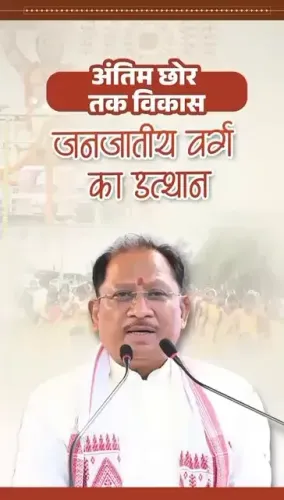
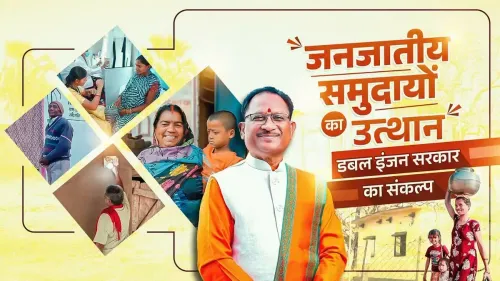
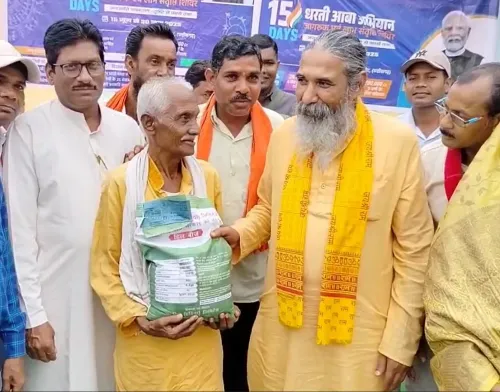
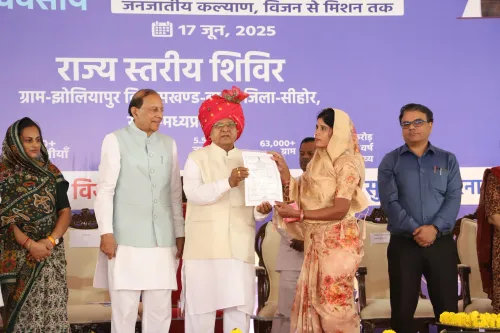
Union Education Minister Dharmendra Pradhan quoted Prime Minister Modi on the Dharti Aaba Janjatiya Gram Utkarsh Abhiyan, asserting that development benefits will reach every tribal family in India. The post, in Odia, was shared on the occasion of a government anniversary.
Key Takeaways
Dharmendra Pradhan shared a quote from PM Narendra Modi on 20 June 2026 about the Dharti Aaba Janjatiya Gram Utkarsh Abhiyan .
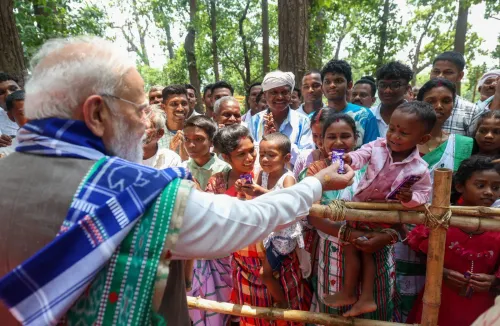
PM Modi stated the Abhiyan will deliver 'the fruits of development' to every tribal family in India.
The post was made in Odia , reflecting Pradhan's outreach to tribal communities in Odisha .
The Abhiyan's name honours Birsa Munda , the tribal leader known as Dharti Aaba (Father of the Earth).
The scheme complements earlier initiatives including PM-JANMAN (launched November 2023 ) targeting Particularly Vulnerable Tribal Groups .
State-level rollout in Odisha and Jharkhand and future budgetary allocations will be critical benchmarks.
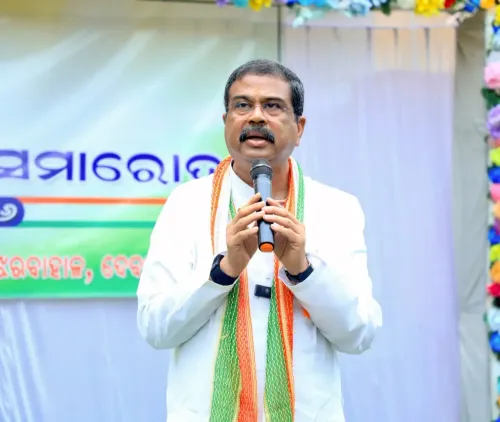
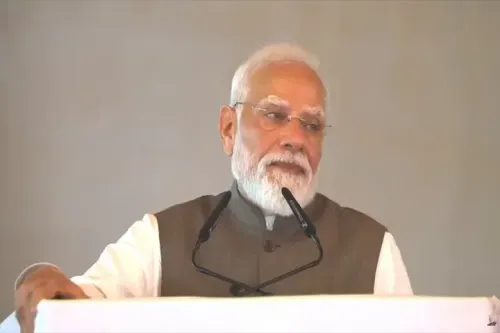
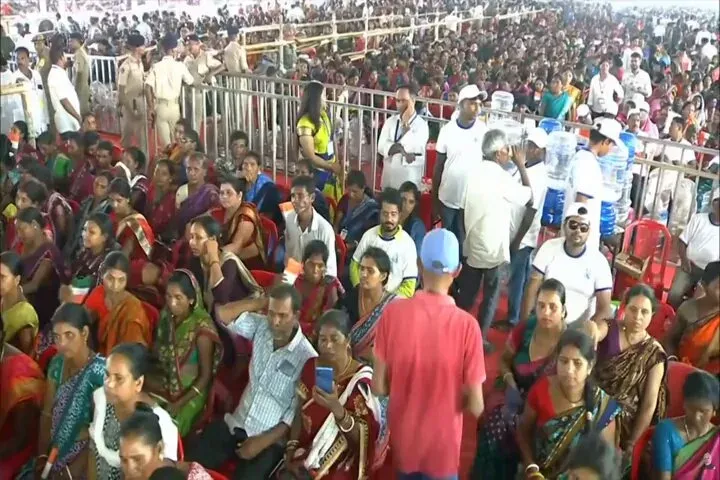
Union Education Minister Dharmendra Pradhan on Saturday, 20 June 2026, shared a statement by Prime Minister Narendra Modi on the Dharti Aaba Janjatiya Gram Utkarsh Abhiyan, reaffirming the government's commitment to delivering development benefits to every tribal family in the country.
Context
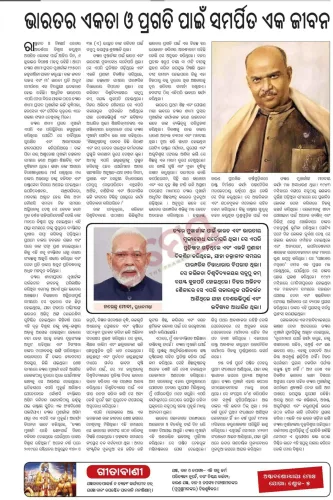
The post, written in Odia, quotes Prime Minister Modi as saying: 'Dharti Aaba Janjatiya Gram Utkarsh Abhiyan madhyamare desara pratiti janjati paribara pakhe bikaasara suphala pahanchibaa' — 'Through the Dharti Aaba Janjatiya Gram Utkarsh Abhiyan, the fruits of development will reach every tribal family in the country.' The post was shared under the hashtag #2YearsofLokankaSarakar, marking what appears to be a government anniversary milestone.
Pradhan, a senior BJP leader from Odisha, has consistently amplified tribal welfare messaging in his home state's language, signalling inclusive growth priorities to Adivasi communities that form a significant share of Odisha's population.
Policy Backdrop
The Dharti Aaba Janjatiya Gram Utkarsh Abhiyan is a central government initiative aimed at village-level upliftment of tribal communities, ensuring that welfare schemes reach Scheduled Tribe households directly. The scheme's name invokes Birsa Munda, the revered tribal leader and freedom fighter known by the honorific 'Dharti Aaba' (Father of the Earth), a framing that successive BJP governments have used to connect contemporary tribal policy to Adivasi cultural memory.
The Abhiyan sits within a broader policy lineage that includes the PM-JANMAN scheme, launched in November 2023, which targets Particularly Vulnerable Tribal Groups (PVTGs) with saturation coverage of basic services such as housing, roads, clean drinking water and mobile connectivity. Earlier, the Forest Rights Act, 2006 had established the legal framework recognising individual and community rights of Scheduled Tribes over forest land.
Stakeholders and Impact
India is home to more than 700 Scheduled Tribe communities, concentrated heavily in states such as Odisha, Jharkhand, Chhattisgarh, Madhya Pradesh and the North-East. Area-specific schemes targeting these communities have historically struggled with last-mile delivery, making village-level campaign models like the Abhiyan significant in design, even as implementation outcomes vary by state.
Adivasi groups and civil society organisations working in Scheduled Areas have long called for convergence of central and state programmes to avoid duplication and ensure that infrastructure, livelihoods and social services reach the most remote habitations. The Abhiyan's stated goal of reaching 'every tribal family' directly addresses this gap in principle.
What's Next
Attention will turn to state-level rollout reports, particularly from Odisha and Jharkhand, where tribal populations are large and politically significant. Any supplementary budgetary allocations for the Abhiyan in the next Union Budget or parliamentary session will be a key indicator of the government's fiscal commitment to the programme's goals.
Point of View
Signalling that the BJP's tribal welfare narrative is being localised for electorally significant Adivasi audiences in Odisha. Invoking Birsa Munda's honorific 'Dharti Aaba' in the scheme's name is part of a sustained BJP effort to claim cultural ownership of tribal identity politics, a space that has historically been contested with regional and left-leaning parties. The timing under a government anniversary hashtag frames the Abhiyan as a deliverable of the current administration rather than a legacy programme. Whether the scheme's on-ground outcomes match the rhetorical ambition will determine its political dividend in tribal-heavy constituencies ahead of future state elections.
NationPress
19 Sept 2026
Frequently Asked Questions
What is the Dharti Aaba Janjatiya Gram Utkarsh Abhiyan?
The Dharti Aaba Janjatiya Gram Utkarsh Abhiyan is a central government scheme aimed at delivering development benefits — including infrastructure, livelihoods and social services — to tribal families at the village level across India.
What did PM Modi say about tribal development?
PM Modi stated that 'through the Dharti Aaba Janjatiya Gram Utkarsh Abhiyan, the fruits of development will reach every tribal family in the country,' as quoted by Union Minister Dharmendra Pradhan on 20 June 2026 .
What is PM-JANMAN and how is it related?
PM-JANMAN is a central scheme launched in November 2023 to saturate habitations of Particularly Vulnerable Tribal Groups (PVTGs) with basic services. It is part of the same broader policy push for tribal welfare that includes the Dharti Aaba Abhiyan.
Why did Dharmendra Pradhan post in Odia about a tribal scheme?
Pradhan is a senior BJP leader from Odisha , a state with a large Scheduled Tribe population. Posting in Odia is a deliberate outreach to Adivasi communities in his home state, where tribal welfare is a significant political and social priority.