CM Sai backs DAJGUA tribal uplift drive in Chhattisgarh
Synopsis
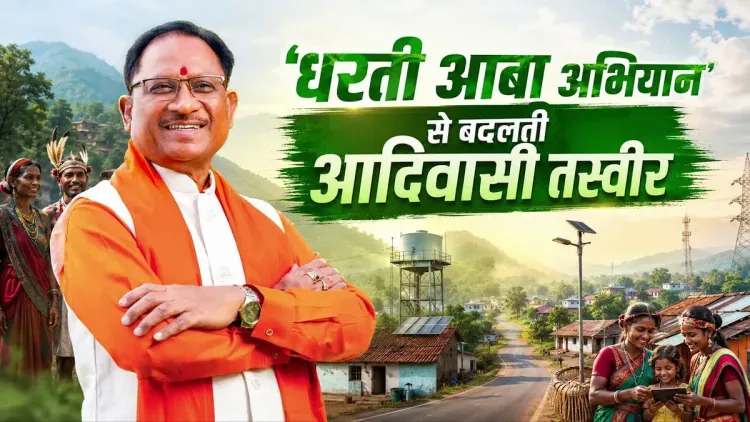
Chhattisgarh Chief Minister Vishnu Deo Sai on 25 May 2026 endorsed the Dharti Aaba Janjatiya Gram Utkarsh Abhiyan, describing the Union government's tribal village uplift scheme as a historic initiative and reaffirming his government's commitment to Adivasi cultural preservation alongside mainstream development.
Key Takeaways
CM Vishnu Deo Sai publicly backed DAJGUA on 25 May 2026 , calling it a historic initiative for tribal uplift.
DAJGUA is a Union government scheme focused on infrastructure, livelihood, and cultural preservation in tribal villages.
Chhattisgarh has a Scheduled Tribe population of roughly 30 percent , making it a priority state for the programme.
The scheme builds on earlier central initiatives including Vanbandhu Kalyan Yojana (2014) and PM JANMAN (2023) .
The state government has framed its role as connecting Adivasi communities to development while safeguarding their culture and identity.
District-level implementation and fund utilisation will be key metrics to watch in the 2026-27 budget cycle .
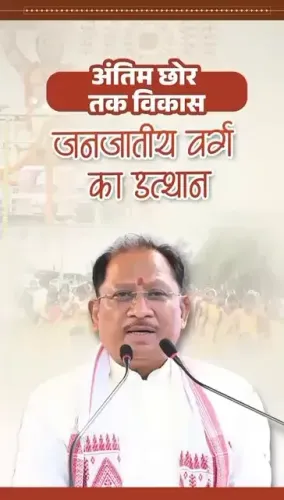
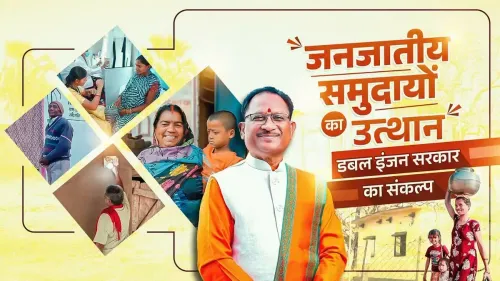
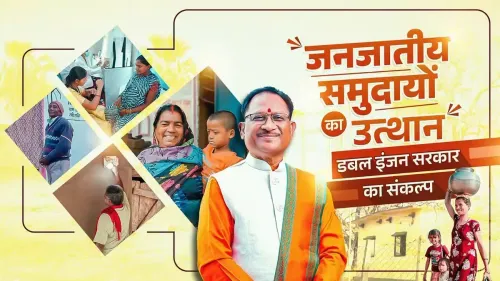
Chhattisgarh Chief Minister Vishnu Deo Sai on Monday, 25 May 2026, publicly backed the Dharti Aaba Janjatiya Gram Utkarsh Abhiyan (DAJGUA), calling it a historic initiative aimed at the comprehensive uplift, self-respect, and development of tribal communities across the state.
Context
In his post, CM Sai described DAJGUA as 'aek aitihasik pahal' — a historic initiative — launched by the Union government to bring 'new hope of development' to the tribal regions of Chhattisgarh. He stated that his government is 'continuously working to connect the Adivasi community to the mainstream of development while preserving their culture, tradition, and identity.' The post, written in Hindi, underscores the state government's alignment with the centrally sponsored programme.
Policy Backdrop
DAJGUA is a central government scheme administered through the Ministry of Tribal Affairs, designed to deliver saturation-level coverage of infrastructure, livelihood support, and cultural preservation in tribal villages. It follows a line of Union-government-led area-based programmes for Scheduled Tribe districts, including the Vanbandhu Kalyan Yojana launched in 2014 and the PM JANMAN scheme announced in 2023, which specifically targeted Particularly Vulnerable Tribal Group habitations.
Chhattisgarh has a Scheduled Tribe population of roughly 30 percent, making it one of the priority states for such programmes alongside Jharkhand and Odisha. The constitutional framework of the Fifth Schedule and the Forest Rights Act, 2006 provides the legal backdrop for governance and land rights in these areas. The broader policy approach since 2014 has sought to combine an infrastructure push with explicit emphasis on preserving tribal cultural identity.
Stakeholders and Impact
The primary beneficiaries of DAJGUA are tribal villagers and Adivasi communities living in the forested and resource-rich but historically underdeveloped blocks of Chhattisgarh. The scheme's stated focus on 'culture, tradition, and identity' alongside material development addresses longstanding concerns within tribal advocacy circles about mainstreaming efforts eroding indigenous ways of life.
CM Sai, a BJP leader who assumed office as Chief Minister in December 2023, has positioned the state government as an active partner in the Union government's tribal welfare agenda. His public endorsement signals continued political priority for DAJGUA in the state's administrative calendar.
What's Next
Observers will watch for district-level rollout timelines and fund utilisation reports for DAJGUA villages in Chhattisgarh as the 2026-27 budget cycle progresses. Any state assembly scrutiny or central monitoring committee reviews of the scheme's on-ground implementation will provide a clearer picture of its reach and effectiveness. The scheme's trajectory in Chhattisgarh is likely to serve as a benchmark for similar tribal-majority states receiving parallel central support.
Point of View
Reinforcing the BJP's dual narrative of development and cultural identity that has defined its outreach to Scheduled Tribe constituencies since 2014. With Chhattisgarh's tribal population forming a significant electoral bloc, the Chief Minister's public backing serves both a governance and a political signalling function ahead of the 2026-27 budget and administrative review cycle. The invocation of 'self-respect' and 'identity' alongside infrastructure is a calculated response to criticism that mainstream development programmes can dilute indigenous ways of life. How effectively the state translates this messaging into verifiable ground-level outcomes will determine whether DAJGUA becomes a genuine policy landmark or remains a rhetorical milestone.
NationPress
9 Oct 2026
Frequently Asked Questions
What is the Dharti Aaba Janjatiya Gram Utkarsh Abhiyan (DAJGUA)?
DAJGUA is a Union government scheme under the Ministry of Tribal Affairs aimed at the comprehensive development of tribal villages, covering infrastructure, livelihood support, and cultural preservation for Scheduled Tribe communities.
Why did Chhattisgarh CM Vishnu Deo Sai post about DAJGUA?
CM Vishnu Deo Sai posted on 25 May 2026 to publicly endorse DAJGUA and reaffirm his government's commitment to tribal uplift, describing the scheme as a historic initiative bringing new hope to Chhattisgarh's tribal regions.
Which states benefit most from DAJGUA?
Chhattisgarh, Jharkhand, and Odisha are among the priority states given their large Scheduled Tribe populations and resource-rich but historically underdeveloped tribal blocks.
How does DAJGUA differ from earlier tribal welfare schemes?
DAJGUA builds on earlier programmes like the Vanbandhu Kalyan Yojana (2014) and PM JANMAN (2023), but places explicit emphasis on cultural identity and self-respect alongside the infrastructure and livelihood components that defined its predecessors.
What should one watch for in DAJGUA's implementation in Chhattisgarh?
Key indicators include district-level rollout timelines, fund utilisation reports, and any state assembly or central monitoring committee reviews expected during the 2026-27 budget cycle.