Pralhad Joshi Hails 1 Crore Youth in Nasha Mukt Drive
Synopsis
Union Minister Pralhad Joshi on 2 August 2026 celebrated a mass anti-drug pledge event under Nasha Mukt Bharat Abhiyan, citing over 1 crore youth at 25,000+ locations, and linked a drug-free generation directly to PM Modi's Viksit Bharat vision.
Key Takeaways
Over 1 crore youth reportedly participated in a nationwide anti-drug pledge event on 2 August 2026 , according to Minister Pralhad Joshi.
The event spanned 25,000+ locations across India, making it one of the largest claimed single-day mobilisations under the Abhiyan.
The Nasha Mukt Bharat Abhiyan was originally launched in August 2020 by the Ministry of Social Justice and Empowerment.
Minister Joshi directly linked a drug-free youth to PM Modi's Viksit Bharat goal of a developed India by 2047.
The government combines awareness drives with Narcotics Control Bureau enforcement to address both demand and supply sides of drug abuse.
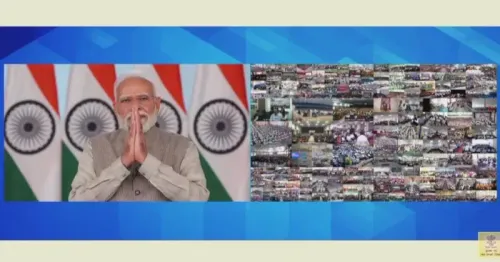
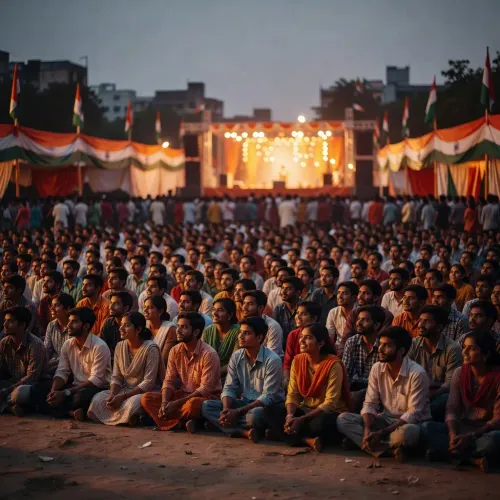
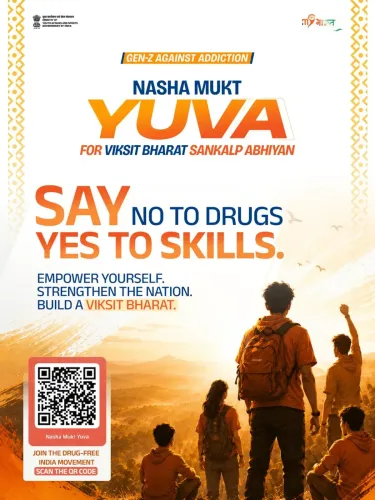
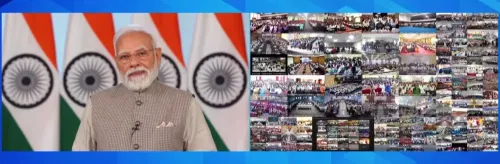
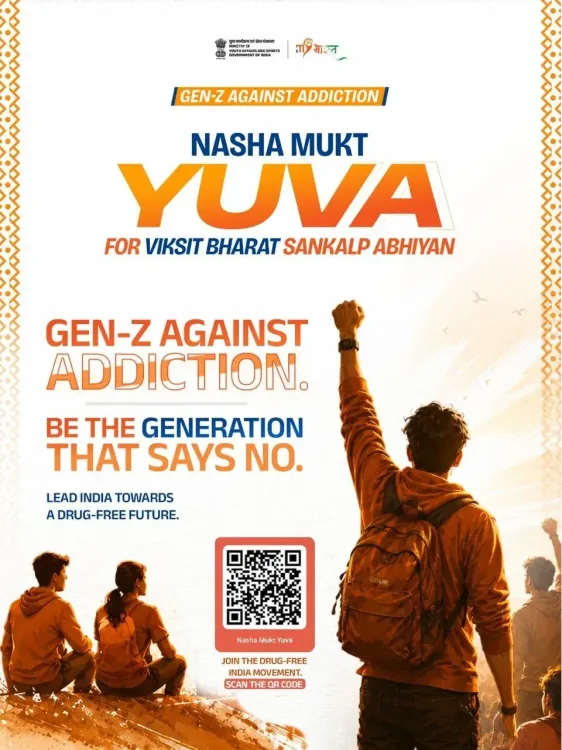
Over 1 crore young Indians converging at more than 25,000 locations on a single day — that is the scale Union Consumer Affairs Minister Pralhad Joshi described on Sunday, 2 August 2026, as he celebrated a nationwide anti-drug pledge event anchored to Prime Minister Narendra Modi's Nasha Mukt Yuva vision.
What the pledge drive represents
Joshi framed the mass mobilisation in unmistakably generational terms: 'More than 1 crore young Indians joining hands across 25,000+ locations is not just participation, it is the awakening of a generation.' The language is deliberate — positioning youth not as beneficiaries of a scheme but as active architects of Viksit Bharat, the government's flagship goal of a developed India by 2047.
At the centre of the drive is the Nasha Mukt Bharat Abhiyan, the national anti-drug awareness campaign launched in August 2020 by the Ministry of Social Justice and Empowerment. The campaign was designed from the outset to combine community mobilisation with demand-reduction messaging, particularly targeting college campuses and youth networks.
Anti-narcotics messaging woven into the development agenda
The government has steadily integrated anti-narcotics communication into its broader development narrative, running awareness drives in parallel with enforcement actions by the Narcotics Control Bureau. The pledge-event format — simultaneous, decentralised, visually striking — fits that pattern: it generates grassroots momentum while reinforcing a national message from the top.
Joshi's post explicitly credits Prime Minister Modi with the conceptual link: a drug-free youth, the minister argues, is 'the strongest foundation of a Viksit Bharat.' Every pledge taken, he wrote, 'is a step towards India's future.' The framing ties a welfare campaign to a civilisational ambition — a rhetorical move that has become characteristic of how the BJP government communicates social policy.
What comes next for Nasha Mukt Bharat Abhiyan
The scale claimed for this event — if borne out by official data — would mark one of the largest single-day mobilisations under the Abhiyan since its launch six years ago. Rollout reports, state-level participation figures, and any parliamentary follow-up will indicate whether the momentum translates into measurable reduction in substance abuse among Indian youth.
For now, a million-strong pledge is the opening frame. Whether it becomes a turning point depends on what the government builds on top of it.
Point of View
Numbers-driven spectacle that connects grassroots youth mobilisation to the 2047 Viksit Bharat narrative. By having a senior minister publicly amplify participation figures, the government reinforces demand-side anti-narcotics work as a political priority, not just an administrative one. The rhetorical fusion of welfare and nationalism — a drug-free youth as the 'foundation' of a developed India — is a deliberate branding choice that makes the Abhiyan harder to dismiss as routine outreach. How the government converts this symbolic moment into verifiable, sustained outcomes will determine its lasting policy weight.
NationPress
2 Aug 2026
Frequently Asked Questions
What is the Nasha Mukt Bharat Abhiyan?
The Nasha Mukt Bharat Abhiyan is a national anti-drug awareness campaign launched in August 2020 by India's Ministry of Social Justice and Empowerment to reduce substance abuse through community and youth mobilisation.
What did Pralhad Joshi say about the Nasha Mukt Yuva drive?
Minister Pralhad Joshi said more than 1 crore young Indians joined hands at over 25,000 locations, calling it 'the awakening of a generation' and linking it to PM Modi's Viksit Bharat vision.
How many youth participated in the Nasha Mukt pledge event in 2026?
According to Minister Pralhad Joshi's post on 2 August 2026, over 1 crore young Indians participated across more than 25,000 locations, though official verification of these figures is pending.
What is Viksit Bharat and how does it relate to the anti-drug campaign?
Viksit Bharat is Prime Minister Modi's vision of a fully developed India by 2047. The government has framed a drug-free youth population as a foundational requirement for achieving that goal.
Which ministry runs the Nasha Mukt Bharat Abhiyan?
The Nasha Mukt Bharat Abhiyan is run by the Ministry of Social Justice and Empowerment, with enforcement support from the Narcotics Control Bureau.