Pralhad Joshi: India nearing 300 GW non-fossil fuel capacity
Synopsis
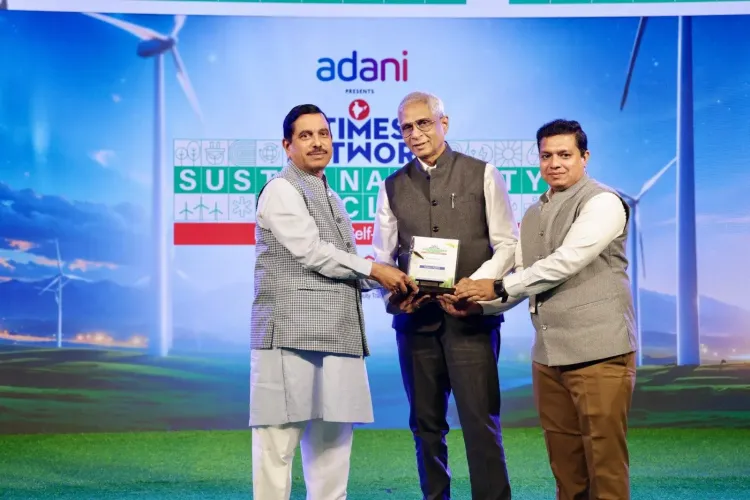
At the TN Sustainability Conclave 2026, Union Minister Pralhad Joshi said India has added over 216 GW of non-fossil fuel capacity since 2014 and is approaching 300 GW, citing PM Surya Ghar, PM-KUSUM and AI integration as pillars of the country's clean-energy push toward 2035.
Key Takeaways
Minister Pralhad Joshi addressed the TN Sustainability Conclave 2026 on 22 July 2026 , outlining India's renewable energy progress.
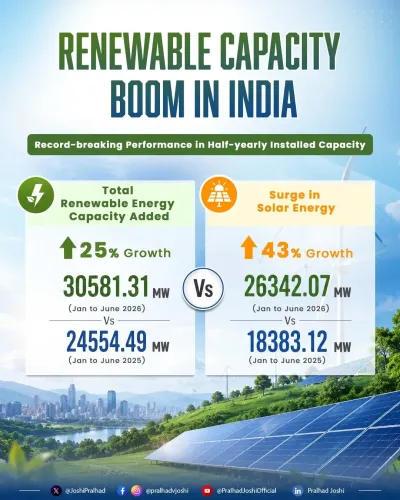
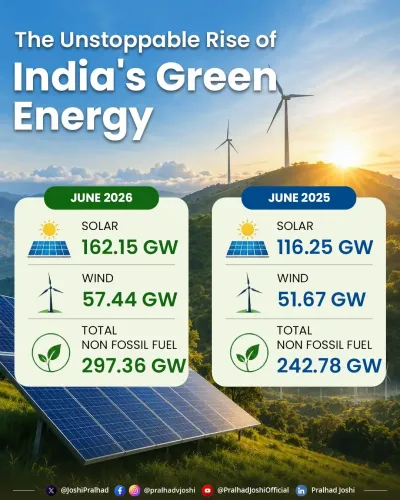
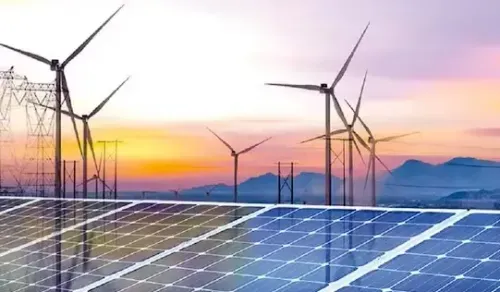
India has added over 216 GW of non-fossil fuel capacity since 2014 and is nearing the 300 GW landmark.
The PM Surya Ghar Muft Bijli Yojana targets rooftop solar on one crore households, turning citizens into energy producers.
The PM-KUSUM scheme solarises agricultural feeders and supports 34.8 GW of capacity for farmers.
The minister highlighted the growing role of Artificial Intelligence in renewable energy management as the next phase of India's clean-energy expansion.
India's long-term target remains 500 GW of non-fossil fuel capacity by 2030 , with a broader vision articulated for 2035 .
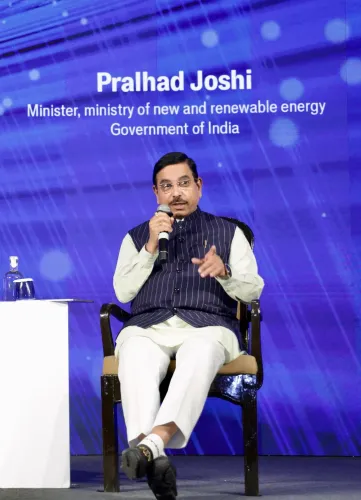
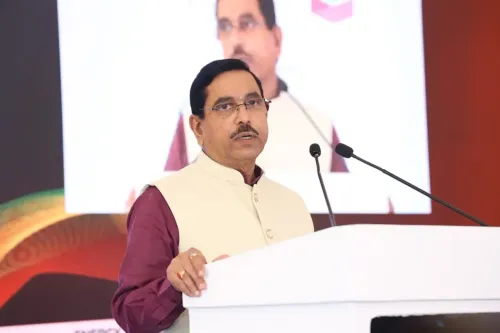
Union Consumer Affairs and New and Renewable Energy Minister Pralhad Joshi on Wednesday, 22 July 2026, addressed the TN Sustainability Conclave 2026, declaring that India's vision of an Aatmanirbhar (self-reliant) and sustainable future is no longer aspirational but is actively taking shape, citing the addition of over 216 GW of non-fossil fuel capacity since 2014 and the country's approach toward the 300 GW milestone.
Context
Speaking at the conclave, Minister Joshi stated that India is 'emerging as the world's most trusted growth story, powered by policy stability, innovation and decisive reforms.' He credited the trajectory to the leadership of Prime Minister Narendra Modi, framing the country's renewable energy push as both a climate commitment and a strategic move toward reducing dependence on fossil-fuel imports.
The minister highlighted the convergence of schemes such as PM Surya Ghar Muft Bijli Yojana and PM-KUSUM with emerging technologies, specifically pointing to the growing synergy between Artificial Intelligence and renewable energy as a defining feature of India's next phase of clean-energy growth.
Policy Backdrop
India's renewable energy programme has its legislative and diplomatic roots in the country's 2015 Paris Agreement commitments, which initially targeted 175 GW of renewable capacity by 2022 before being revised upward to 500 GW of non-fossil fuel capacity by 2030. Successive policy instruments have been layered onto this framework over the past decade.
The PM-KUSUM scheme, launched in 2019, was designed to solarise agricultural feeders and create 34.8 GW of solar capacity through pumps and decentralised plants, directly benefiting farmers by reducing diesel expenditure. The PM Surya Ghar Muft Bijli Yojana, approved in 2024, targets rooftop solar installation on one crore households with central financial assistance, converting ordinary citizens into energy producers — or 'prosumers', as the minister described them.
The Production Linked Incentive (PLI) scheme for high-efficiency solar photovoltaic modules, notified in 2021, underpins the Aatmanirbhar dimension of this push by reducing India's reliance on imported solar components and building a domestic manufacturing base.
Stakeholders and Impact
The beneficiary base of India's renewable transition spans multiple segments. Farmers enrolled under PM-KUSUM gain access to subsidised solar pumps and an additional income stream by selling surplus power to the grid. Urban and peri-urban households under PM Surya Ghar receive subsidies for rooftop installations, with the scheme designed to reduce monthly electricity bills substantially.
Renewable energy developers and domestic manufacturers stand to gain from continued policy stability and the PLI framework. The integration of AI tools for grid management and demand forecasting, as referenced by Joshi, signals expanding opportunities for technology firms in the energy sector as well.
What's Next
Minister Joshi's remarks were framed around a 2035 horizon, with the assertion that 'we are not just preparing for 2035, we are building it today.' The immediate watchpoints include the pace of state-level rollout of PM Surya Ghar and PM-KUSUM, both of which depend heavily on state electricity boards and distribution companies for last-mile execution.
With India's 500 GW non-fossil fuel target for 2030 as the nearer benchmark, the government's ability to sustain the current pace of capacity addition — and to close gaps in grid infrastructure and storage — will determine whether the 300 GW milestone translates into reliable, affordable clean power at scale.
Point of View
The minister is broadening the political constituency for renewable energy beyond industry to include farmers and urban households. The emphasis on AI and 'Aatmanirbhar' simultaneously positions India's energy transition as a technology and sovereignty story, not merely a climate one. Whether state-level implementation keeps pace with the ambition expressed in New Delhi will be the real test of this narrative.
NationPress
22 Jul 2026
Frequently Asked Questions
How much non-fossil fuel capacity has India added since 2014?
According to Minister Pralhad Joshi's address at the TN Sustainability Conclave 2026, India has added over 216 GW of non-fossil fuel capacity since 2014 and is approaching the 300 GW milestone.
What is PM Surya Ghar Muft Bijli Yojana?
PM Surya Ghar Muft Bijli Yojana is a central government scheme approved in 2024 that provides financial assistance for rooftop solar installations on one crore households, enabling citizens to generate their own electricity and sell surplus power to the grid.
What is the PM-KUSUM scheme?
PM-KUSUM , launched in 2019 , is a scheme to solarise agricultural feeders and install solar pumps for farmers, targeting 34.8 GW of decentralised solar capacity and reducing farmers' dependence on diesel.
What is India's renewable energy target for 2030?
India's revised target is 500 GW of non-fossil fuel-based electricity capacity by 2030 , a commitment made under its updated Paris Agreement pledge.
What did Pralhad Joshi say at TN Sustainability Conclave 2026?
Minister Pralhad Joshi said India is 'emerging as the world's most trusted growth story' driven by policy stability and decisive reforms, highlighting over 216 GW of clean capacity added since 2014 and the role of AI in renewable energy management.