Pralhad Joshi inspects CRIF roads, CSR school work in Dharwad village
Synopsis
Union Minister Pralhad Joshi visited Hirehonnihalli village in Kalaghatgi taluk on 18 July 2026, inspecting CRIF-funded road works and a CSR school building, and held detailed discussions on village infrastructure with local leaders and residents.
Key Takeaways
Pralhad Joshi , Union Consumer Affairs and New and Renewable Energy Minister, visited Hirehonnihalli village in Kalaghatgi taluk, Dharwad district on 18 July 2026 .
Road construction underway in the village is funded under the Central Road and Infrastructure Fund (CRIF) , a central government scheme.
A school building is being constructed through Corporate Social Responsibility (CSR) contributions, benefiting local school-going children.
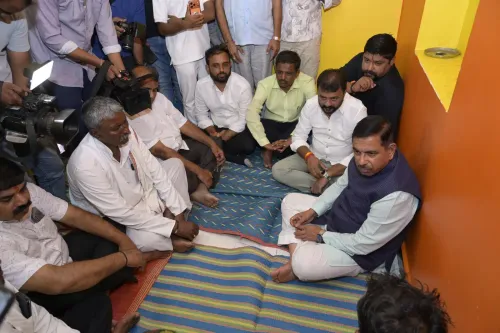
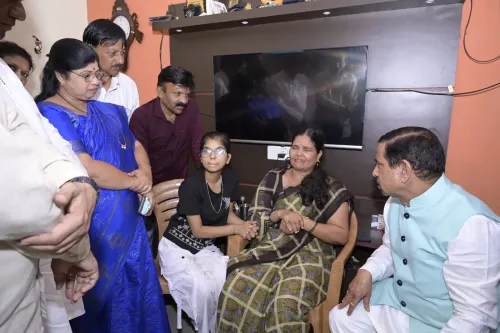
Joshi held detailed discussions with village elders, dignitaries, and party functionaries on various infrastructure schemes for the village.
The visit included senior local figures such as former MLC Nagaraj Chabbi , Dharwad Rural BJP president Ningappa Sutagatti , and Kalaghatgi BEO Gayatri Sajjan .
The inspection is part of Joshi's ongoing constituency outreach in Dharwad , which he has represented in the Lok Sabha since 2014 .
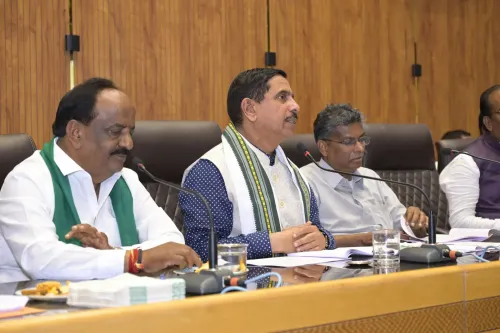
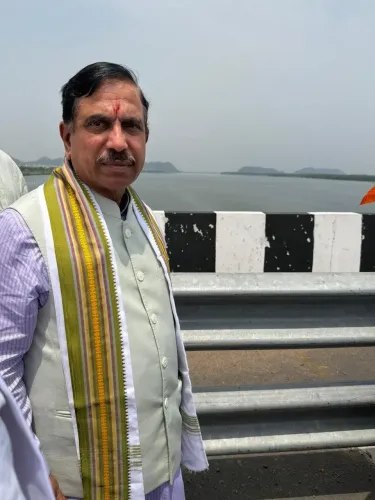
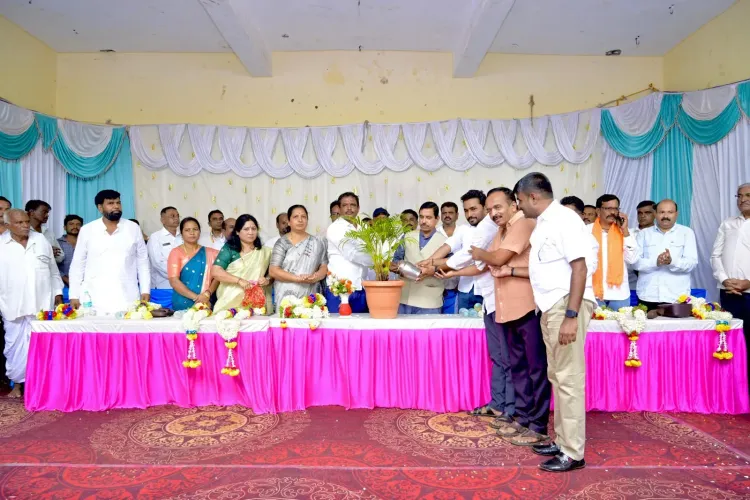
Union Consumer Affairs Minister Pralhad Joshi on Saturday, 18 July 2026, visited Hirehonnihalli village in Kalaghatgi taluk of Dharwad district, Karnataka, to inspect road construction underway under the Central Road and Infrastructure Fund (CRIF), a school building being built through Corporate Social Responsibility (CSR) funding, and other ongoing development works in the village.
Posting in Kannada on X, Joshi wrote that he visited the village to inspect 'CRIF ಅಡಿ ನಿರ್ಮಾಣವಾಗುತ್ತಿರುವ ರಸ್ತೆ ಕಾಮಗಾರಿ' ('road work being constructed under CRIF') and 'CSR ಅಡಿ ಶಾಲಾ ಕೊಟ್ಟಡಿ ನಿರ್ಮಾಣದ ಕಾರ್ಯ' ('school building construction under CSR'), and held detailed discussions with village elders and dignitaries on various schemes related to the village's infrastructure.
Context
The visit by Joshi, who has represented the Dharwad Lok Sabha constituency since 2014, is part of his regular field outreach in his home district. Kalaghatgi taluk falls within this constituency, making Hirehonnihalli a direct beneficiary area for centrally funded rural development schemes championed by the sitting MP.
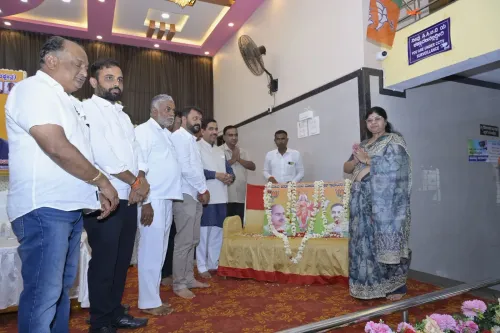
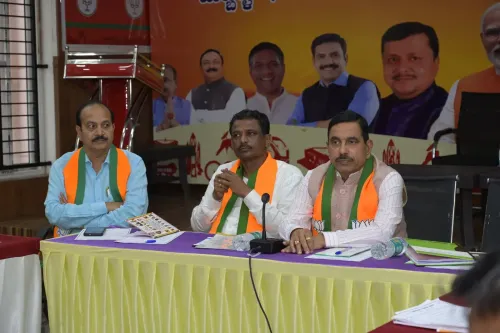
Present at the inspection were former Legislative Council member Nagaraj Chabbi, Dharwad Rural district BJP president Ningappa Sutagatti, taluk BJP president Yellari Shinde, Kalaghatgi Block Education Officer Gayatri Sajjan, former Zilla Panchayat president Vijayalakshmi Adin, SDMC president Channappa Mugad, and local leaders Sharanagoudr Patil Kulkarni, Basavaraj Sherwad, and Santosh Madanabavi, along with village elders and residents.
Policy Backdrop
The Central Road and Infrastructure Fund traces its origins to the Central Road Fund Act, 2000, which created a cess-based dedicated pool for national and rural road connectivity. Over successive central governments the fund was broadened into CRIF to also cover bridges and other infrastructure, with state-level project lists periodically approved by the Union government.
CSR-funded school construction complements government capital expenditure, with companies directing a portion of their statutory social-spending obligations toward education buildings in rural areas. Together, CRIF roads and CSR school blocks represent two of the most visible last-mile infrastructure interventions in districts like Dharwad.
Stakeholders and Impact
The primary beneficiaries are the rural residents of Hirehonnihalli — including school-going children who stand to gain from the new school building — and commuters who will use the CRIF-funded road once completed. Improved road connectivity in Kalaghatgi taluk is expected to ease access to markets, health facilities, and administrative centres for surrounding hamlets.
The presence of the Block Education Officer and the SDMC (School Development and Monitoring Committee) president alongside elected and party functionaries signals a multi-stakeholder approach to monitoring the progress of these works at the ground level.
What's Next
Attention will now turn to the release of the next CRIF project lists for Karnataka and any supplementary grants for rural school infrastructure in the forthcoming Union Budget. Joshi's field visit is likely to feed into representations to the Ministry of Road Transport and to the CSR coordination bodies for accelerating pending works in Dharwad district. The discussions held with village elders are expected to surface additional infrastructure gaps that could be flagged for inclusion in future central allocations.
Point of View
The minister signals that CRIF and CSR works are being actively monitored rather than left to bureaucratic routine. The dual funding model — central cess money for roads, corporate CSR for schools — reflects a broader Union government strategy of layering multiple funding streams to accelerate rural infrastructure without burdening the state exchequer. How quickly these specific works are completed and commissioned will determine whether the visit translates into lasting political goodwill in Kalaghatgi taluk.
NationPress
18 Jul 2026
Frequently Asked Questions
What is CRIF and how does it fund road projects in Karnataka?
CRIF stands for the Central Road and Infrastructure Fund, a central government scheme that channels cess revenues into road, bridge, and infrastructure projects across states, including rural roads in Karnataka districts like Dharwad.
Why did Pralhad Joshi visit Hirehonnihalli village?
Joshi visited Hirehonnihalli in Kalaghatgi taluk on 18 July 2026 to personally inspect CRIF-funded road construction, a CSR-funded school building, and other development works, and to discuss infrastructure plans with local leaders and residents.
What is the CSR school building project in Kalaghatgi taluk about?
A new school building is being constructed in Hirehonnihalli village using Corporate Social Responsibility funds, a statutory social-spending mechanism through which companies finance education and other social infrastructure in rural areas.
Which constituency does Pralhad Joshi represent?
Pralhad Joshi represents the Dharwad Lok Sabha constituency in Karnataka, a seat he has held since 2014. Kalaghatgi taluk, where Hirehonnihalli is located, falls within this constituency.
Who attended the village inspection with Pralhad Joshi in Hirehonnihalli?
The inspection was attended by former MLC Nagaraj Chabbi, Dharwad Rural BJP president Ningappa Sutagatti, taluk BJP president Yellari Shinde, Kalaghatgi BEO Gayatri Sajjan, former Zilla Panchayat president Vijayalakshmi Adin, SDMC president Channappa Mugad, and several local leaders and village elders.