Pralhad Joshi Reviews Sugar Stock and Supply for Ongoing Season
Synopsis
Union Minister Pralhad Joshi met senior food department officials on August 9, 2026, to review sugar stock positions, production levels, and seasonal requirements, stressing close monitoring and timely steps to ensure stable supply.
Key Takeaways
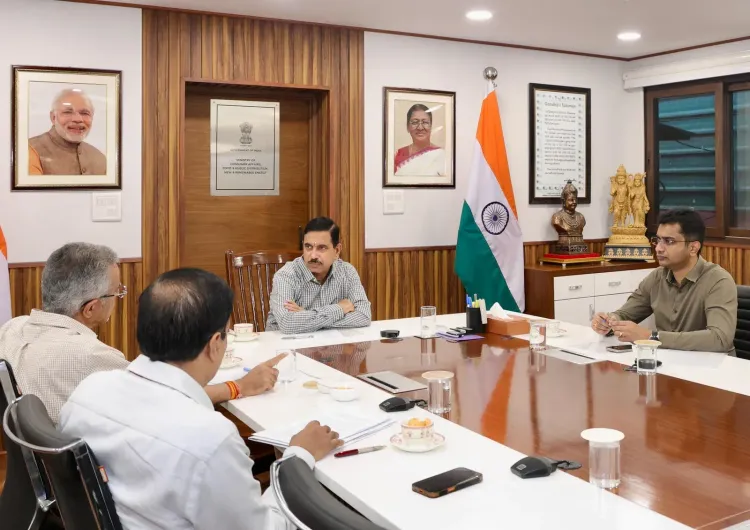
Pralhad Joshi chaired a review meeting with the Secretary and senior officials of the Department of Food and Public Distribution on August 9, 2026 .
The meeting assessed current sugar stock positions , production levels, and requirements for the ongoing sugar season.
The minister emphasised 'close monitoring of availability' and 'timely measures' to maintain adequate stocks.
Such reviews are part of the standing Essential Commodities Act framework for managing sugar-season supply chains.
Key stakeholders affected include sugar mills , sugarcane farmers , and end consumers.
Upcoming monthly stock and production data from the food department will indicate whether formal interventions such as buffer-stock releases are triggered.
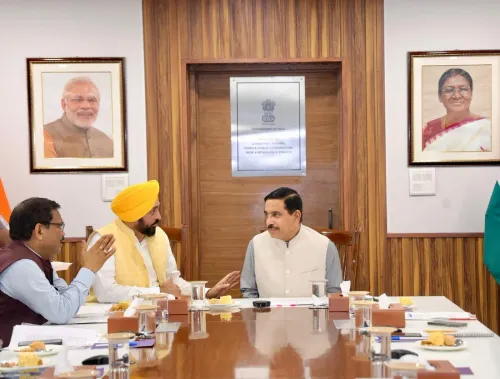
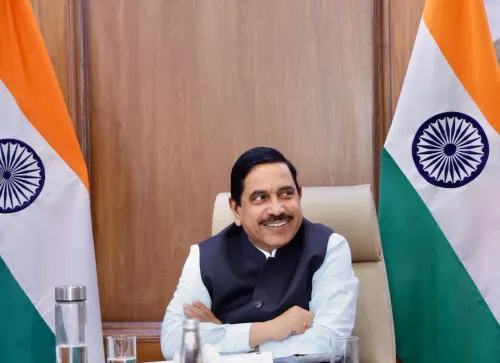
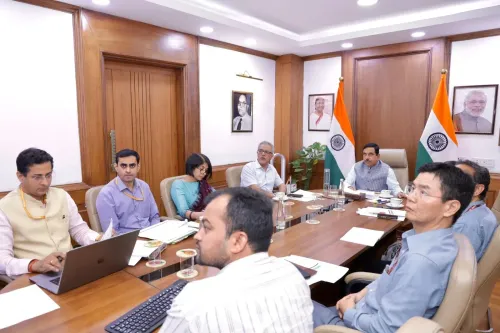
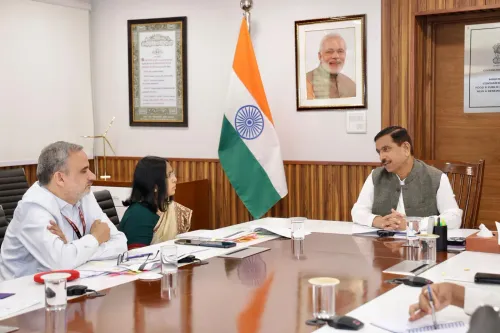
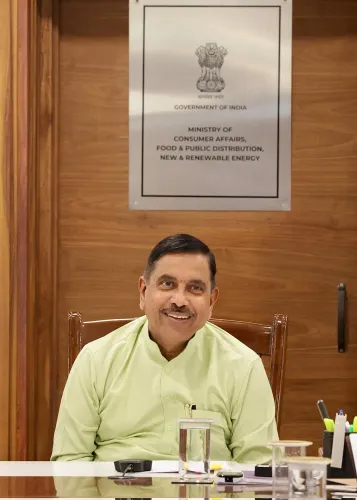
With the sugar season in full swing, Union Consumer Affairs, Food and Public Distribution Minister Pralhad Joshi convened a high-level review meeting on Sunday, August 9, 2026, with the Secretary and senior officials of the Department of Food and Public Distribution to take stock — literally — of where India stands on sugar availability, production levels, and seasonal requirements.
The minister underscored the need for 'close monitoring of availability and timely measures to maintain adequate stocks and ensure a stable supply throughout the season,' signalling that the government is not waiting for a price spike to act.
What the review covers and why it matters now
Sugar-season management in India is a year-round administrative exercise, but mid-season reviews carry particular weight. The Department of Food and Public Distribution — the nodal body for foodgrain management, the public distribution system, and sugar regulation — holds these stock-assessment meetings to calibrate releases from buffer stocks and pre-empt price volatility before it reaches the retail shelf. The mechanism operates under the framework of the Essential Commodities Act, giving the Centre direct levers to intervene in supply chains when stocks tighten. Sugar touches three powerful constituencies at once: sugar mills that depend on crushing timelines, sugarcane farmers whose payments hinge on mill liquidity, and consumers for whom any price surge in a staple sweetener is immediately felt. A government that loses the thread on sugar availability risks ripple effects across all three.A standing practice with real-time stakes
Successive central governments have conducted pre-season and mid-season stock reviews as a standing administrative routine — not a crisis response. The data gathered feeds decisions on buffer-stock releases and, where necessary, export quota adjustments. The food department's monthly production and stock releases are the next data points to watch: they will reveal whether the minister's call for 'timely measures' translates into any formal intervention. For now, the meeting signals that the Centre is in active monitoring mode — eyes on the gauges before any needle moves into the red.Point of View
Who holds the dual portfolio of consumer affairs and food distribution, sugar is a perennial political flashpoint: mill arrears to farmers and retail price spikes have historically embarrassed ruling governments. Calling a formal review mid-season, and making it public via social media, is as much a signal to the market — mills, traders, exporters — as it is an administrative act. The real policy tell will come in the food department's next monthly data release.
NationPress
9 Aug 2026
Frequently Asked Questions
Why did Pralhad Joshi hold a sugar stock review meeting?
Joshi convened the meeting to assess current sugar stock levels, production, and seasonal requirements, and to ensure timely government action to maintain stable supply and prevent price volatility.
What is the Department of Food and Public Distribution's role in sugar management?
The department is the central nodal body for regulating sugar production, managing buffer stocks, overseeing the public distribution system, and calibrating export quotas under the Essential Commodities Act.
What is India's sugar season and when does it run?
India's sugar season typically runs from October to September , with crushing beginning in October-November. Mid-season reviews assess whether stocks are on track to meet demand through to the end of the season.
How does the government control sugar prices in India?
The government uses tools such as buffer-stock releases, export quota adjustments, and mandatory stock disclosure norms under the Essential Commodities Act to manage domestic sugar availability and keep prices in check.
Who are the key stakeholders in India's sugar supply chain?
The three main stakeholders are sugar mills (which crush cane and hold stocks), sugarcane farmers (whose payments depend on mill revenues), and consumers who buy sugar at retail.