Fadnavis directs Labour Dept to put worker welfare first in law reforms
Synopsis
Maharashtra CM Devendra Fadnavis has put worker welfare — not just legal compliance — at the heart of the state's sweeping labour law reforms. From ending dual-board memberships for construction workers to explicitly including domestic workers in new welfare schemes, the directives signal a broader social-protection push tied to central labour code alignment.
Key Takeaways
CM Devendra Fadnavis on 13 July directed Maharashtra's Labour Department to prioritise 'labour welfare' in all ongoing law amendments.
The transition from Labour Courts to Chief Judicial Magistrates (CJMs) for labour disputes is under review; a district-wise report on pending cases has been sought.
Construction workers must be registered under either the Construction Workers Welfare Board or the Mathadi Board — not both — to eliminate duplicate memberships.
Domestic workers are to be explicitly covered under new welfare schemes for the unorganised sector.
Reforms cover the Maharashtra Mathadi Act, 1969 and the Maharashtra Private Security Guards Act, 1981 , aligned with the BNS and Centre's Four New Labour Codes .
Final amendment proposals will be tabled before the Maharashtra State Cabinet .
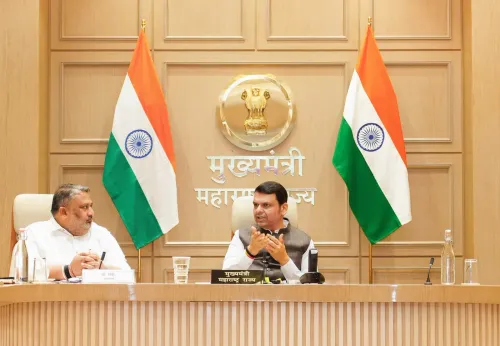
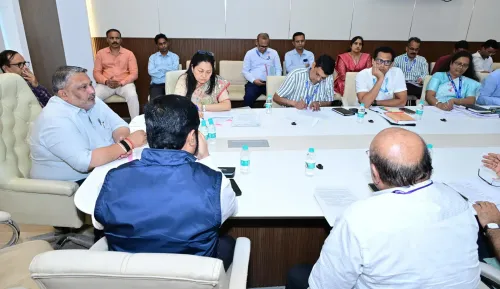
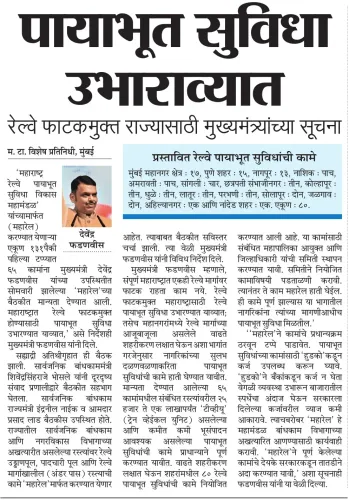
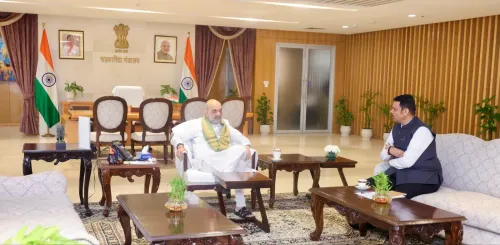
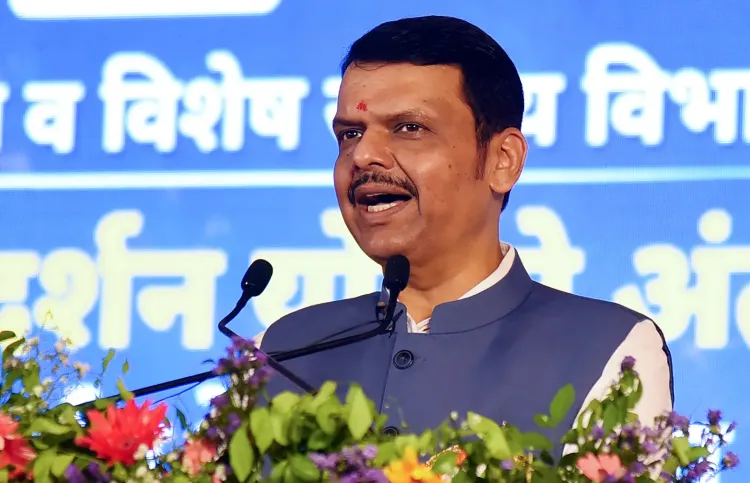
Maharashtra Chief Minister Devendra Fadnavis on Monday, 13 July directed the state's Labour Department to place broad labour welfare at the centre of all amendments being made to existing labour laws. The directives were issued during a high-level presentation on labour law reforms held at the Chief Minister's official residence, Varsha, in Mumbai.
Key Directives from the Chief Minister
Labour Minister Akash Phundkar attended the meeting in person, while Minister of State for Labour Ashish Jaiswal joined via video conferencing. Fadnavis instructed officials to meticulously examine every aspect of the proposed amendments before finalising them.
He specifically flagged the proposed transition from Labour Courts to Chief Judicial Magistrates (CJMs) for adjudicating labour disputes, directing the department to submit a district-wise report on pending labour-related cases currently before CJMs. He cautioned that CJMs must not be overburdened with labour disputes, and that any such decision must be cross-checked against the Centre's new labour codes after verifying ground-level realities.
Aligning State Laws with Central Labour Codes
Fadnavis emphasised that while aligning Maharashtra's rules with the Centre's Four New Labour Codes and the Bharatiya Nyaya Sanhita (BNS), the state must safeguard its own specific interests through necessary modifications. The final set of proposed amendments is to be tabled before the State Cabinet for approval.
Key legislation under review includes the Maharashtra Mathadi, Hamal, and Other Manual Workers (Regulation of Employment and Welfare) Act, 1969, and the Maharashtra Private Security Guards (Regulation of Employment and Welfare) Act, 1981.
Tackling Duplicate Memberships and Unorganised Workers
Addressing a specific administrative concern, Fadnavis directed that reforms to the Maharashtra Mathadi, Hamal, and Other Manual Workers Act must eliminate duplicate memberships for construction workers. He stated that workers should be registered under either the Construction Workers Welfare Board or the Mathadi Board — not both — to prevent duplication of benefits and administrative overlap.
In a notable inclusion, the Chief Minister instructed the department to draft dedicated welfare schemes for every segment of the unorganised sector, explicitly including domestic workers, in line with the new central labour codes. This comes amid growing national attention on the welfare gaps faced by India's large informal workforce.
What Comes Next
The Labour Department has been asked to submit district-wise data on pending CJM cases and to finalise the amendment proposals for Cabinet consideration. The reforms, once approved, could reshape how Maharashtra governs labour welfare for both organised and unorganised workers — a constituency that runs into tens of millions across the state.
Frequently Asked Questions
What did CM Devendra Fadnavis direct at the labour law reform meeting?
Fadnavis directed the Maharashtra Labour Department to prioritise broad labour welfare while implementing amendments to various state labour laws. He also asked officials to align state rules with the Centre's Four New Labour Codes while safeguarding Maharashtra's specific interests.
Which laws are being amended under Maharashtra's labour law reforms?
The key laws under review include the Maharashtra Mathadi, Hamal, and Other Manual Workers (Regulation of Employment and Welfare) Act, 1969, and the Maharashtra Private Security Guards (Regulation of Employment and Welfare) Act, 1981. These are being updated to align with the Bharatiya Nyaya Sanhita (BNS) and the Centre's Four New Labour Codes.
Why is the transition from Labour Courts to CJMs a concern?
Fadnavis flagged that Chief Judicial Magistrates must not be overburdened with labour disputes if Labour Courts are wound down. He directed the department to submit a district-wise report on pending cases before CJMs and to cross-check the proposal against central labour codes before any final decision.
What change is being made for construction workers in Maharashtra?
The reforms aim to eliminate duplicate board memberships for construction workers. Going forward, workers will be registered under either the Construction Workers Welfare Board or the Mathadi Board — not both — to remove administrative overlap and duplication of benefits.
Are domestic workers included in the proposed welfare schemes?
Yes. Fadnavis explicitly instructed the Labour Department to draft dedicated welfare schemes for all segments of the unorganised sector, including domestic workers, in line with the new central labour codes. The final proposals will be placed before the State Cabinet.