How Significant is the Private Sector's Role in Medical Services According to Haryana CM?
Synopsis
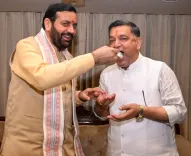
Haryana Chief Minister Nayab Singh Saini highlights the vital role of the private sector in enhancing healthcare services alongside public institutions, ensuring ethical practices and accessibility for all residents. His remarks were made during the inauguration of a new cardiac hospital, emphasizing the government's commitment to healthcare for every citizen.
Key Takeaways
Private sector collaboration is vital for enhancing medical services.
The Haryana government prioritizes affordable healthcare for all citizens.
1.34 crore Ayushman Bharat cards issued for treatment support.
Senior citizens receive free treatment under the Ayushman Bharat Scheme.
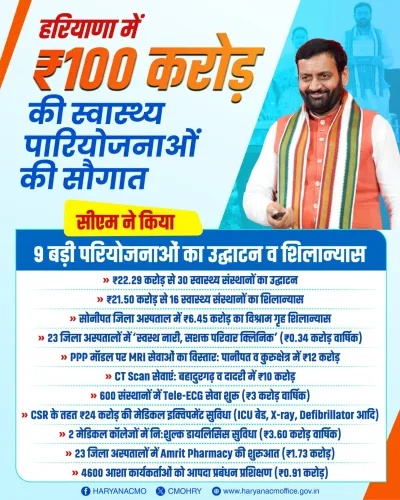
Modern facilities are being developed in government hospitals .
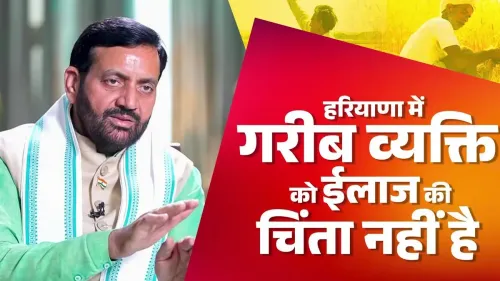
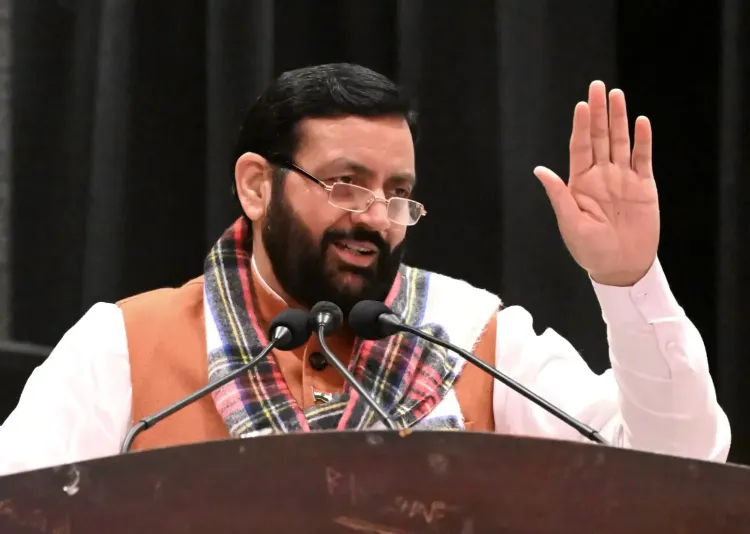
Chandigarh, Jan 12 (NationPress) The Chief Minister of Haryana, Nayab Singh Saini, stated on Monday that all reputable institutions that emphasize ethics, transparency, and public welfare while collaborating on the state’s healthcare objectives are encouraged to participate.
In addition to a robust public healthcare system, the contribution of the private sector in diagnostics and medical services holds significant importance for the community.
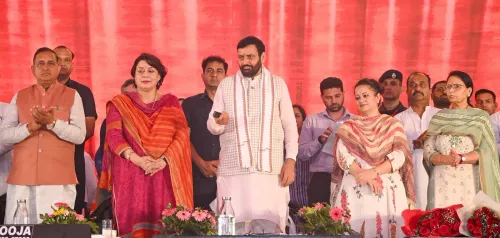
The Chief Minister made these remarks during the inauguration of the Prem Sagar Cardiac Hospital at the Vivekanand Arogya Kendra, managed by Bharat Vikas Parishad Maharana Pratap Trust in Gurugram.
As he paid respects to Swami Vivekananda on his 163rd birth anniversary, he also wished the citizens of the state a joyous Lohri, Makar Sankranti, and Pongal.
CM Saini emphasized that the Haryana government has been dedicated to ensuring that every resident has access to affordable, accessible, and effective healthcare services. Institutions like Vivekanand Arogya Kendra are instrumental in bolstering these initiatives at the grassroots level.
Motivated by the Prime Minister’s Fit India campaign, the state government has broadened access to modern diagnostic and treatment services for the general populace.
The administration has guaranteed that no impoverished citizen goes without treatment due to financial constraints. Under the Ayushman Bharat-Chirayu Scheme, 1.34 crore cards have been distributed in the state, facilitating claims worth Rs 4,500 crore for approximately 25 lakh patients.
Additionally, all senior citizens aged over 70 are eligible for complimentary treatment up to Rs 5 lakh annually under the Ayushman Bharat Scheme, with claims totaling Rs 53.57 crore provided for the treatment of 26,513 elderly individuals so far.
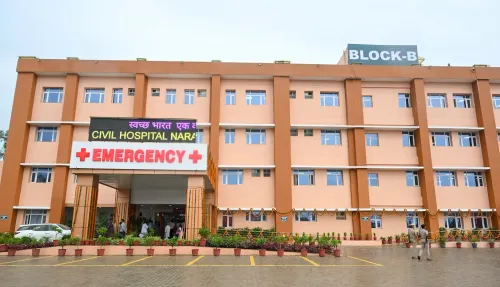
The Chief Minister assured that government hospitals in every district are being equipped with advanced medical facilities on par with private institutions.
In the initial phase, such enhancements have already been implemented in 10 district hospitals, while the development of these facilities is underway in an additional 12 district hospitals.
The ultimate goal is to guarantee that quality and accessible treatment is available to the average citizen within their own district.
Point of View
It is evident that the integration of the private sector into the healthcare framework is essential for enhancing the quality and accessibility of services. The Haryana government's initiatives reflect a proactive approach to health equity, ensuring that all citizens, regardless of income level, receive necessary medical attention. This collaboration could serve as a model for other states seeking to improve their healthcare systems.
NationPress
27 Sept 2026
Frequently Asked Questions
What is the role of the private sector in Haryana's healthcare?
The private sector plays a crucial role in enhancing diagnostics and medical services, complementing the public healthcare system to provide comprehensive care for residents.
How is Haryana ensuring healthcare access for all citizens?
Through initiatives like the Ayushman Bharat-Chirayu Scheme, the Haryana government provides healthcare cards and financial support to ensure no citizen is deprived of necessary treatment due to lack of funds.
What benefits do senior citizens receive under the Ayushman Bharat Scheme?
Senior citizens over 70 years old are eligible for free treatment up to Rs 5 lakh annually, ensuring they receive the necessary medical care.