Priyanka Gandhi condoles Assam flood deaths, urges swift relief
Synopsis
Congress general secretary Priyanka Gandhi Vadra on 27 July 2026 condoled deaths from severe Assam flooding, urged the state and central governments to accelerate rescue operations, and called on Congress workers to help those affected.
Key Takeaways
Congress general secretary Priyanka Gandhi Vadra posted condolences on 27 July 2026 over deaths and destruction from Assam floods.
She appealed to both the state government of Assam and the Government of India to urgently speed up relief and rescue operations.
She urged all Congress workers to extend maximum possible help to flood-affected people.
India's disaster response is governed by the Disaster Management Act, 2005 , with the NDRF as the primary specialised response force.
Assam faces annual Brahmaputra river flooding; criticism over relief timeliness recurs each monsoon season.
Congress general secretary Priyanka Gandhi Vadra on Monday, 27 July 2026 expressed deep condolences over the deaths and widespread destruction caused by severe flooding in Assam, and called on both the state and central governments to accelerate rescue and relief operations so that every affected person receives assistance.
Posting in Hindi on X, she wrote: 'असम में भयानक बाढ़ की वजह से बड़ी संख्या में मृत्यु और तबाही का समाचार अत्यंत दुखद है' ('The news of large-scale deaths and devastation caused by the terrible floods in Assam is deeply saddening'). She prayed for peace for the departed souls and extended her sympathies to grieving families and all those affected.
Vadra also urged Congress workers across the country to extend whatever help they can to those impacted by the floods.
Context
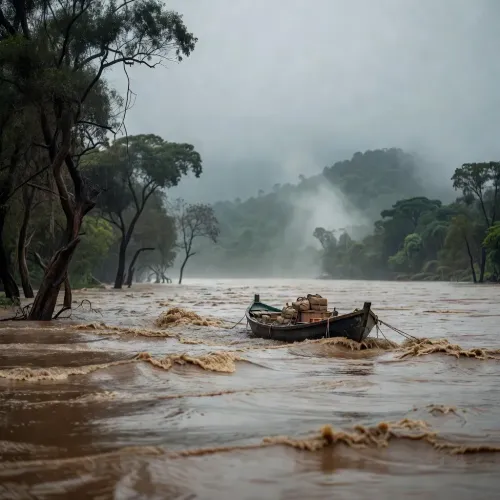
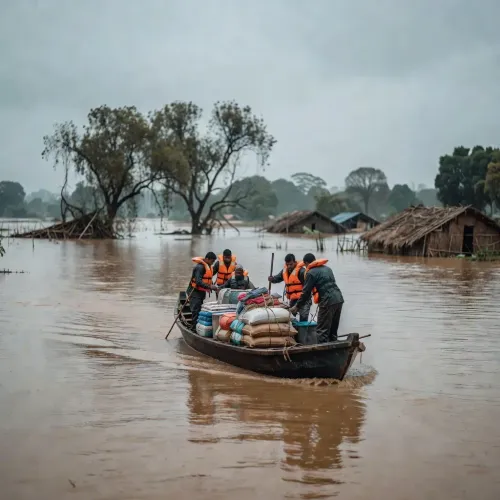
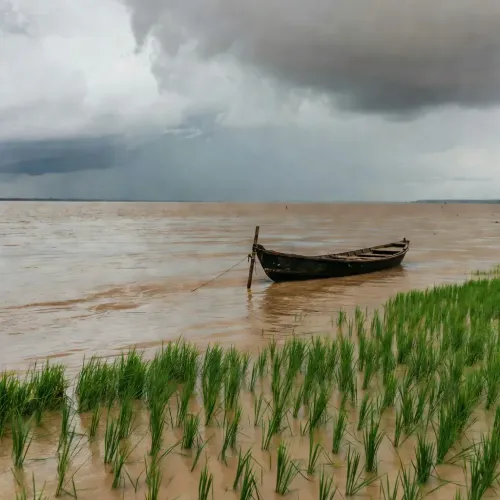
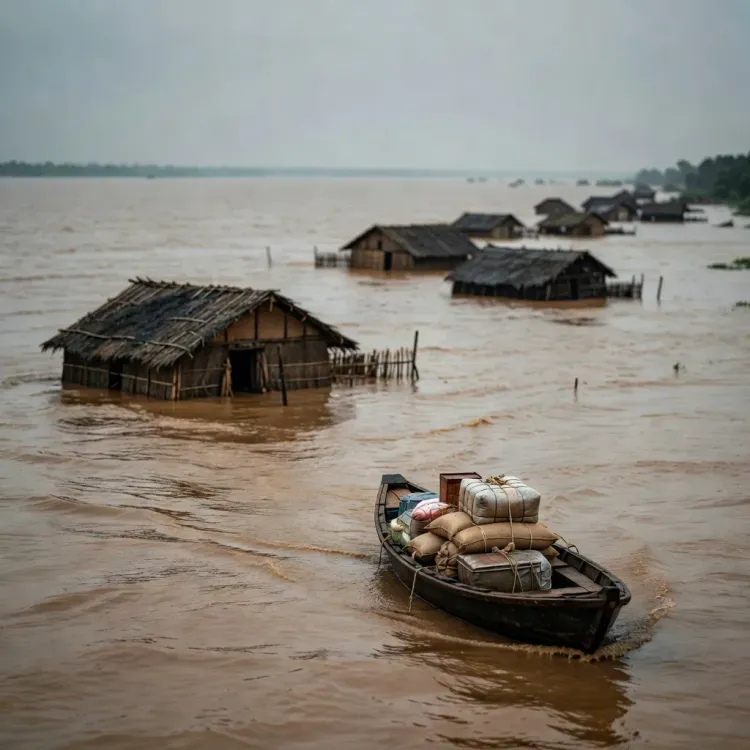
Assam is among India's most flood-prone states, battered every monsoon season by the Brahmaputra river and its tributaries. Annual inundation displaces hundreds of thousands of residents, submerges farmland, and damages infrastructure across the state's districts. The 2026 monsoon season has brought a fresh wave of flooding, resulting in fatalities and large-scale displacement.
Statements of condolence and appeals for relief from national opposition leaders are a recurring feature of India's disaster response cycle. Vadra, as a senior Congress leader and Lok Sabha MP from Wayanad, Kerala — itself no stranger to flood devastation — brings a degree of personal familiarity with the human cost of such disasters.
Policy Backdrop
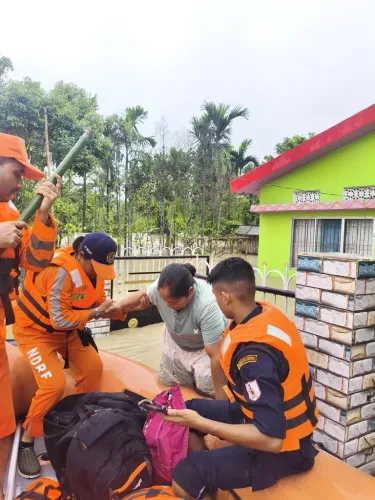
India's disaster response framework rests on the Disaster Management Act, 2005, which established the National Disaster Management Authority (NDMA) and mandated structured coordination between the central government and state administrations during calamities. The National Disaster Response Force (NDRF), constituted in 2006, provides specialised search, rescue, and relief teams deployed to flood-affected regions.
Despite this institutional architecture, criticism over the timeliness and adequacy of relief operations in Assam recurs each monsoon. Opposition parties have consistently demanded faster deployment of NDRF battalions and more generous central calamity fund releases. The Government of India and the Government of Assam share constitutional responsibility for disaster response, with the state managing on-ground evacuation and relief camps while the centre provides financial and logistical support.
Stakeholders and Impact
The primary stakeholders are the flood-affected families and residents of Assam who face loss of life, displacement, and destruction of livelihoods. Farmers whose crops have been inundated and communities cut off by rising waters depend on the speed of government intervention for survival.
Congress workers in Assam have been specifically called upon by Vadra to mobilise on the ground. Her appeal also implicitly pressures the Bharatiya Janata Party-led state and central governments to demonstrate visible and effective relief action, a dynamic that plays out routinely in Indian disaster politics.
What's Next
Attention will now turn to the scale of NDRF deployment, any additional central assistance package announced for Assam, and the pace at which relief camps and evacuation operations are expanded. State assembly discussions on long-term flood mitigation measures for the Brahmaputra basin — including embankment repair, early warning systems, and drainage improvement — are also likely to intensify following this season's devastation.
With monsoon months still ahead, the adequacy of the relief response in Assam will remain a live political and humanitarian issue through the season.
Point of View
Keeping relief accountability in public view. Her dual appeal — to both state and central governments — is calibrated to avoid targeting only the BJP-ruled centre while acknowledging the shared constitutional responsibility for disaster management. As an MP from flood-prone Wayanad, her voice on disaster relief carries a degree of credibility beyond routine political messaging. The statement also activates the Congress party's ground network in Assam, signalling organisational intent in a state where the party seeks to rebuild its presence.
NationPress
27 Jul 2026
Frequently Asked Questions
What did Priyanka Gandhi say about the Assam floods?
Priyanka Gandhi Vadra expressed deep sorrow over the deaths and destruction caused by severe floods in Assam, prayed for the departed, extended condolences to affected families, and urged the state and central governments to accelerate relief and rescue operations.
When did Priyanka Gandhi post about the Assam floods?
She posted on X on Monday, 27 July 2026, at 2:46 PM IST.
What is the NDRF and how does it help in Assam floods?
The National Disaster Response Force, constituted in 2006 under the Disaster Management Act 2005, provides specialised search, rescue, and relief teams deployed to flood-affected areas including Assam during the annual monsoon flooding.
Why does Assam flood every year?
Assam floods annually due to heavy monsoon rainfall causing the Brahmaputra river and its tributaries to overflow, inundating large parts of the state and displacing hundreds of thousands of residents each season.
What did Priyanka Gandhi ask Congress workers to do during the Assam floods?
She urged all Congress workers to extend whatever help they can to people affected by the Assam floods.