PMKVY 1.0-3.0 certifies 1.11 crore candidates; 4.0 pivots to AI and green skills
Synopsis
Over 1.11 crore candidates were certified under PMKVY's first three phases, but only 24.38 lakh were reported placed — a gap that underscores the limits of certification-led skilling. PMKVY 4.0 has now dropped placement tracking entirely, betting instead on AI, robotics, and green-tech courses to make Indian youth future-ready.
Key Takeaways
1.11 crore candidates were certified under PMKVY 1.0 to 3.0 , according to data shared in the Lok Sabha on 27 July .
Only 24.38 lakh of those certified were reported placed under the short-term training component.
PMKVY 4.0 , active since FY2023 , no longer monitors placements, shifting focus to career autonomy and future skills.
The scheme now covers AI, machine learning, robotics, cloud computing, IoT, data analytics, cyber security , and green technologies .
The DGT has developed 170 NSQF-compliant courses , including 32 future-skills courses under the Craftsman Training Scheme.
Sector Skill Councils have conducted gap studies across electronics, logistics, and advanced manufacturing to align training with industry demand.
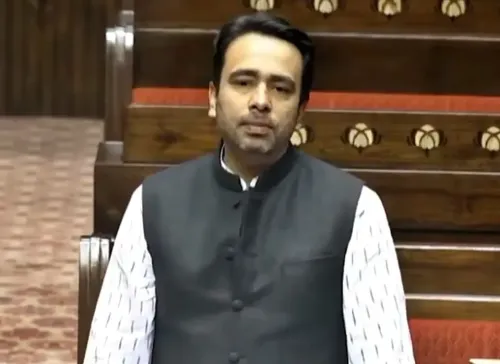
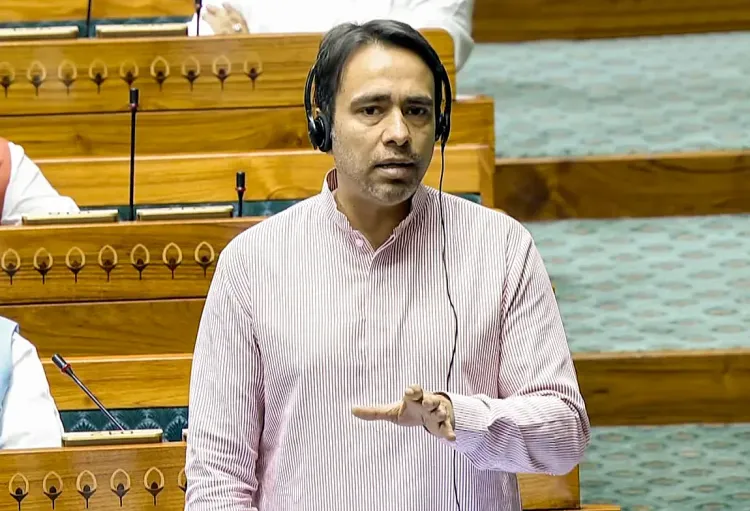
A total of 1.11 crore candidates were certified under the Pradhan Mantri Kaushal Vikas Yojana (PMKVY) phases 1.0 to 3.0, with 24.38 lakh of them reported placed through the short-term training component, the government disclosed on Monday, 27 July. The data was shared in the Lok Sabha by Minister of State for Skill Development and Entrepreneurship Jayant Chaudhary.
PMKVY 4.0: A Shift in Approach
PMKVY 4.0, implemented since FY2023, marks a deliberate departure from earlier phases. Rather than tracking placements, the revised framework empowers trainees to chart their own career trajectories across varied paths. According to Minister Chaudhary, the change reflects a broader recognition that skilling outcomes cannot be reduced to a single employment metric.
The latest phase places special emphasis on future-ready skills including artificial intelligence (AI), machine learning, robotics, cloud computing, Internet of Things (IoT), data analytics, cyber security, and green technologies.
Skill India Mission: Key Programmes
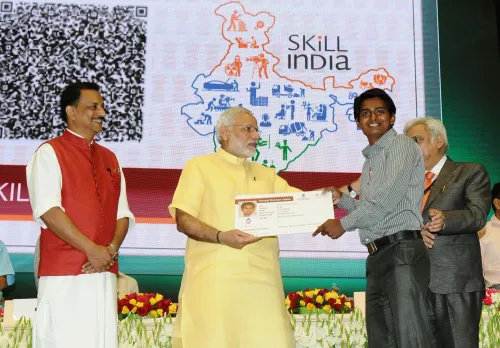
The government's Skill India Mission channels skilling, re-skilling, and up-skilling through a portfolio of schemes. These include PMKVY, Jan Shikshan Sansthan, the National Apprenticeship Promotion Scheme (NAPS), and the Craftsman Training Scheme (CTS) — the last delivered through a nationwide network of Industrial Training Institutes (ITIs) and National Skill Training Institutes (NSTIs).
The Directorate General of Training (DGT), operating under the Ministry of Skill Development and Entrepreneurship (MSDE), has developed 170 NSQF-compliant courses under the CTS, of which 32 are classified as new-age or future-skills courses covering emerging technology domains.
Bridging the Skill Gap
Skill gap studies are conducted periodically to align training supply with industry demand. Sector Skill Councils (SSCs) have carried out such assessments across sectors including electronics, logistics, and advanced manufacturing, generating demand-supply analyses and manpower projections that guide government interventions.
These exercises are designed to ensure that candidates trained under Skill India initiatives possess industry-relevant competencies, particularly as emerging technologies reshape hiring requirements across sectors.
What This Means for Indian Youth
The cumulative certification figure of 1.11 crore across PMKVY's first three phases represents one of the largest government-run skilling drives in India's history. However, the placement reporting gap — only 24.38 lakh of those certified were reported placed — has drawn scrutiny from policy observers who argue that certification numbers alone do not capture employability outcomes.
With PMKVY 4.0 deliberately moving away from placement tracking, the government's accountability framework for skilling outcomes is set to evolve, even as industry bodies continue to flag mismatches between trained candidates and job-ready talent. The next round of skill gap studies will be closely watched for signals on whether the curriculum overhaul is closing those gaps.
Point of View
But the placement gap tells a more complicated story: fewer than one in four certified candidates were reported placed under PMKVY 1.0-3.0. The pivot in PMKVY 4.0 — dropping placement tracking altogether — resolves the optics problem without necessarily resolving the outcomes problem. Shifting to future-skills curriculum is the right direction, but without a credible new metric for employability, the government risks trading one accountability gap for another. India's skilling challenge is not a curriculum problem alone; it is a last-mile absorption problem, and no amount of AI course enrolments will fix that unless industry linkages are structurally embedded from day one.
NationPress
26 Oct 2026
Frequently Asked Questions
How many candidates were certified under PMKVY 1.0 to 3.0?
A total of 1.11 crore candidates were certified under PMKVY phases 1.0 to 3.0. Of these, 24.38 lakh were reported placed through the short-term training component, according to data shared in the Lok Sabha on 27 July.
Why does PMKVY 4.0 not track placements?
PMKVY 4.0 shifted its focus to empowering trainees to choose varied career paths, moving away from a single placement metric. Minister of State Jayant Chaudhary stated this change reflects a broader approach to skilling outcomes beyond direct employment.
What new skills does PMKVY 4.0 cover?
PMKVY 4.0 emphasises future-ready skills including artificial intelligence, machine learning, robotics, cloud computing, IoT, data analytics, cyber security, and green technologies. These are delivered through ITIs and NSTIs nationwide.
What is the Skill India Mission and which schemes does it include?
The Skill India Mission is the government's umbrella framework for skilling, re-skilling, and up-skilling Indian youth. It operates through schemes including PMKVY, Jan Shikshan Sansthan, the National Apprenticeship Promotion Scheme, and the Craftsman Training Scheme via ITIs.
How does the government assess skill gaps in the workforce?
The government conducts periodic skill gap studies through Sector Skill Councils across sectors such as electronics, logistics, and advanced manufacturing. These studies generate demand-supply assessments and manpower projections that guide training interventions under Skill India.