Priyanka Gandhi demands action over Muzaffarnagar bonded labour case
Synopsis
Congress general secretary Priyanka Gandhi Vadra on 24 June 2026 condemned a reported bonded labour case in Muzaffarnagar, Uttar Pradesh, where workers were allegedly tortured, denied wages, and fed cattle fodder. She called the incident an attack on the Constitution and demanded precedent-setting punishment for the perpetrators.
Key Takeaways
Priyanka Gandhi Vadra condemned a bonded labour case in Muzaffarnagar, Uttar Pradesh on 24 June 2026 .
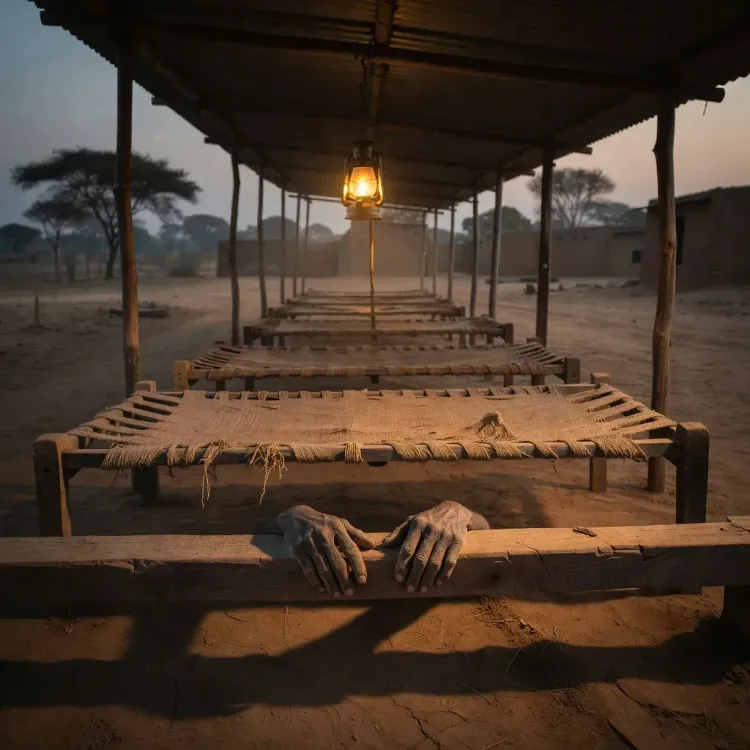
Workers were allegedly held captive, beaten with sharp weapons and whips, set upon by dogs, and denied wages.
She described the incident as an attack on 'human dignity and the Constitution,' not merely cruelty against individuals.
The Bonded Labour System (Abolition) Act, 1976 criminalises such practices but enforcement gaps persist in several states.
Muzaffarnagar is a western UP sugarcane-farming district where labour incidents have been periodically reported.
Priyanka Gandhi demanded strict action and punishment that would 'set a precedent.'
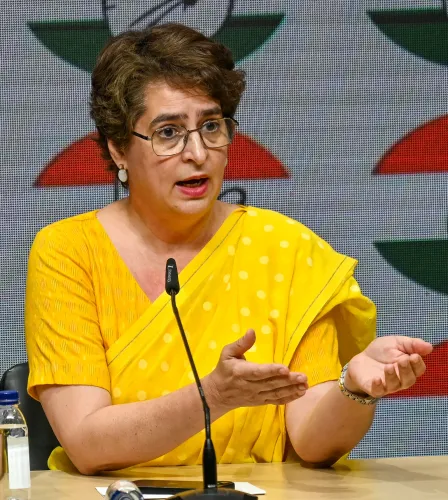
Congress general secretary Priyanka Gandhi Vadra on Wednesday, 24 June 2026, condemned a reported bonded labour case in Muzaffarnagar, Uttar Pradesh, calling it an assault on human dignity and the Constitution, and demanded exemplary punishment for those responsible.
Context
Posting on X, Priyanka Gandhi Vadra described the alleged conditions as deeply disturbing: workers were reportedly held captive, denied wages, beaten with sharp weapons and whips, set upon by dogs, and fed only dry bread and cattle fodder. In her words, 'यह सिर्फ़ कुछ व्यक्तियों पर क्रूरता नहीं, बल्कि मानवीय गरिमा पर और हमारे संविधान पर हमला है' — 'This is not merely cruelty against a few individuals, but an attack on human dignity and our Constitution.'
She called for strict action and punishment that would 'set a precedent.' The post drew immediate attention given her role as the Congress general secretary in charge of Uttar Pradesh and as the Lok Sabha MP from Wayanad, Kerala.
Policy Backdrop
Bonded labour has been illegal in India since the Bonded Labour System (Abolition) Act, 1976, which criminalised the practice and obligated state governments to constitute district-level vigilance committees for identification, release, and rehabilitation of affected workers.
Despite this four-decade-old legal framework, the practice has continued to surface in the agricultural and informal sectors of several states, including Uttar Pradesh. The National Human Rights Commission (NHRC) and state labour departments have documented recurring cases involving debt bondage, physical abuse, and wage denial, particularly in districts with large sugarcane and farm labour populations.
Muzaffarnagar, located in western Uttar Pradesh, is a major sugarcane-farming district where labour-related incidents have been periodically reported. The Supreme Court of India has on multiple occasions issued directions to states to strengthen enforcement of the 1976 law and expedite rehabilitation of freed labourers.
Stakeholders and Impact
The alleged victims belong to the rural labouring class — among the most economically vulnerable groups in Uttar Pradesh, India's most populous state. Physical torture, denial of wages, and restricted movement, as alleged in this case, represent a compound violation of fundamental rights guaranteed under Articles 21, 23, and 24 of the Indian Constitution.
The Yogi Adityanath-led Uttar Pradesh government faces political pressure to demonstrate swift action. Opposition leaders, including from the Congress, have consistently cited bonded labour incidents in the state as evidence of inadequate district-level monitoring and weak implementation of rehabilitation schemes.
What's Next
Attention will now turn to the Uttar Pradesh Police and the state's Labour Department for details of arrests, charges filed, and rehabilitation measures extended to the freed workers. A possible inquiry by the NHRC cannot be ruled out given the severity of the alleged abuse.
The case may also be raised in the Uttar Pradesh Legislative Assembly or before the Union Ministry of Labour and Employment, which monitors state compliance with bonded labour abolition norms. How quickly the state government responds will determine whether this incident becomes a sustained political flashpoint ahead of future electoral cycles in Uttar Pradesh.
Point of View
She elevates the political stakes — forcing the Yogi government to respond on human rights terms, not just policing ones. The case also exposes a structural failure: nearly five decades after the Bonded Labour System (Abolition) Act, 1976, district vigilance committees mandated by the law remain largely dysfunctional across UP's agricultural belt. Any delay or inadequacy in state action risks amplifying this into a sustained NHRC and parliamentary issue.
NationPress
24 Jun 2026
Frequently Asked Questions
What is the Muzaffarnagar bonded labour case that Priyanka Gandhi mentioned?
According to reports cited by Priyanka Gandhi Vadra , workers in Muzaffarnagar, Uttar Pradesh were allegedly held captive, denied wages, beaten with sharp weapons and whips, set upon by dogs, and fed only dry bread and cattle fodder. She posted about the case on 24 June 2026 demanding strict action.
Is bonded labour illegal in India?
Yes. The Bonded Labour System (Abolition) Act, 1976 criminalised bonded labour across India and required states to set up district vigilance committees to identify, release, and rehabilitate affected workers. Violations are punishable under the Act.
What action did Priyanka Gandhi demand in the Muzaffarnagar case?
Priyanka Gandhi Vadra demanded 'strict action' against those responsible and called for punishment that would 'set a precedent,' describing the incident as an attack on human dignity and the Indian Constitution.
Why does bonded labour still occur in Uttar Pradesh despite the 1976 law?
Enforcement gaps, weak district-level vigilance committees, and the economic vulnerability of rural labourers have allowed bonded labour to persist in agricultural and informal sectors of Uttar Pradesh and other states, as documented by the National Human Rights Commission and state labour departments.
What happens next in the Muzaffarnagar bonded labour case?
The Uttar Pradesh Police and the state Labour Department are expected to take action on arrests and rehabilitation. The National Human Rights Commission (NHRC) may also take cognisance, and the matter could be raised in the UP Legislative Assembly or before the Union Ministry of Labour and Employment .