Rahul Gandhi Condemns Muzaffarnagar Bonded Labour Case
Synopsis
Congress leader Rahul Gandhi condemned an alleged bonded labour case in Muzaffarnagar, UP, where workers were reportedly tortured and fed cattle fodder. He demanded justice, rehabilitation, and strict punishment, linking the exploitation to weakened MGNREGA protections and rural unemployment.
Key Takeaways
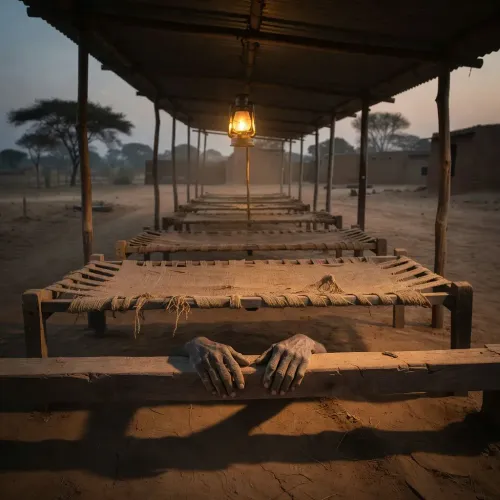
Rahul Gandhi on 24 June 2026 condemned an alleged bonded labour case in Muzaffarnagar, Uttar Pradesh , calling it an 'attack on human dignity.' Workers were allegedly made to work without wages and subjected to torture including dog bites, spear wounds, flogging, and being fed cattle fodder.
Gandhi demanded strict punishment for the accused and rehabilitation with justice for the victims.
He linked the workers' vulnerability to weakened safety nets, specifically citing MGNREGA and labour laws meant for the most marginalised sections.
MGNREGA , enacted in 2005 , guarantees up to 100 days of annual wage employment to rural households but has faced criticism over funding and wage delays.
Bonded labour has been illegal in India since the Bonded Labour System (Abolition) Act of 1976 , yet cases continue to surface in parts of northern India.
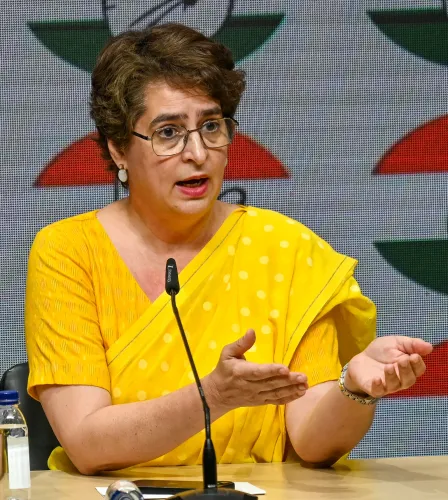
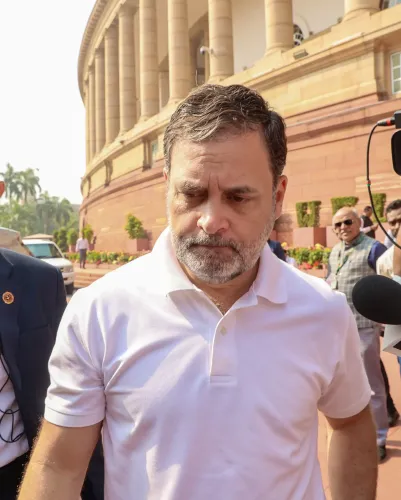
Congress leader Rahul Gandhi, Leader of the Opposition in Lok Sabha, on Wednesday, 24 June 2026, condemned an alleged bonded labour case in Muzaffarnagar, Uttar Pradesh, calling it an 'attack on human dignity' and demanding strict punishment for the accused along with rehabilitation for the victims.
Context
Gandhi's post described harrowing details of the alleged abuse, stating that workers were made to labour without wages, bitten by dogs, pierced with spears, flogged with whips, and fed cattle fodder. Translating his Hindi post: 'यह इंसानी गरिमा पर हमला है' ('This is an attack on human dignity'), Gandhi demanded that victims receive justice, rehabilitation, and that perpetrators face the 'strictest possible punishment.'
He also raised a structural question — asking what compels workers to end up in such dangerous conditions in the first place. The alleged incident in Muzaffarnagar, a district in western Uttar Pradesh, involves workers from what Gandhi described as the most vulnerable sections of society.
Policy Backdrop
Bonded labour has been illegal in India since the Bonded Labour System (Abolition) Act of 1976, yet cases continue to surface in parts of northern India, particularly in agricultural and informal sectors. Gandhi directly linked the vulnerability of workers to what he described as the weakening of safety nets such as MGNREGA (Mahatma Gandhi National Rural Employment Guarantee Act) and labour laws designed for the most marginalised.
MGNREGA, enacted in 2005, guarantees up to 100 days of wage employment annually to rural households. The scheme has periodically faced scrutiny over funding adequacy, delays in wage disbursement, and coverage gaps, particularly during periods of economic slowdown. Gandhi argued that when employment dries up, incomes stagnate, and these protections are eroded, desperation among the poorest grows — making them easy targets for exploitation.
Successive governments at the Centre have consolidated older labour laws into new labour codes, with implementation and enforcement varying significantly across states. Critics of the consolidation have argued that it has diluted protections for informal workers, while proponents contend it streamlines compliance.
Stakeholders and Impact
The alleged victims are rural and informal labourers — groups that Gandhi identified as those with 'no other option or safety net.' The case, if verified by authorities, would fall under the jurisdiction of the Uttar Pradesh state government and its labour and police departments, which would be responsible for registering cases, rescuing workers, and initiating rehabilitation under existing bonded labour laws.
Gandhi's post puts pressure on the state administration to act swiftly. It also reignites a long-running political debate between the ruling Bharatiya Janata Party and the opposition Indian National Congress over the health of rural employment, the adequacy of MGNREGA funding, and the enforcement of labour protections for India's most vulnerable workers.
What's Next
The case is likely to draw scrutiny in the upcoming monsoon session of Parliament, where opposition lawmakers are expected to raise questions on MGNREGA wage revisions and labour inspection reports. State-level action — including police investigations, rescue operations, and rehabilitation of the alleged victims — will be closely watched by civil society groups working on bonded labour issues.
Gandhi's framing of the incident as 'not an ordinary criminal event but the debris of a collapsed economy' signals that the Congress party intends to pursue the issue as part of its broader critique of economic governance, rural distress, and the erosion of worker protections ahead of future electoral cycles.
Point of View
He attempts to connect individual suffering to policy choices, a politically potent but contested narrative. The move also signals that Congress intends to use bonded labour and rural distress as key planks in its opposition strategy in Parliament's monsoon session. Whether state authorities in Uttar Pradesh act swiftly on the case will determine how much political traction this issue gains.
NationPress
23 Sept 2026
Frequently Asked Questions
What is the Muzaffarnagar bonded labour case Rahul Gandhi is talking about?
Rahul Gandhi's post refers to an alleged case in Muzaffarnagar, Uttar Pradesh, where workers were reportedly forced to work without wages and subjected to severe physical abuse including being bitten by dogs, pierced with spears, flogged, and fed cattle fodder. The specific details of the incident are under investigation by state authorities.
What is bonded labour and is it illegal in India?
Bonded labour refers to a system where a person is forced to work to repay a debt, often under coercive conditions and without fair wages. It has been illegal in India since the Bonded Labour System (Abolition) Act of 1976 , which also mandates the rehabilitation of freed bonded labourers.
What is MGNREGA and why did Rahul Gandhi mention it?
MGNREGA (Mahatma Gandhi National Rural Employment Guarantee Act), enacted in 2005 , guarantees up to 100 days of wage employment per year to rural households as a safety net against unemployment. Gandhi cited it to argue that when such protections are weakened, the most vulnerable workers are left with no options and become easy targets for exploitation.
What action has been demanded in the Muzaffarnagar bonded labour case?
Rahul Gandhi has demanded the strictest possible punishment for those accused in the case, along with justice and rehabilitation for the victims. He has also called for a broader examination of why workers are forced into such dangerous conditions due to lack of employment and weakened labour protections.
What happens to bonded labour victims under Indian law?
Under the Bonded Labour System (Abolition) Act of 1976 , rescued bonded labourers are entitled to rehabilitation, which includes financial assistance, housing, and livelihood support provided by state governments in coordination with the Centre. District magistrates are responsible for identifying, releasing, and rehabilitating bonded labourers.