Priyanka Gandhi meets Porur Unnikrishnan, champion of temple percussion
Synopsis
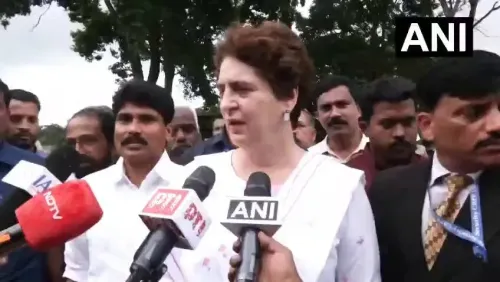
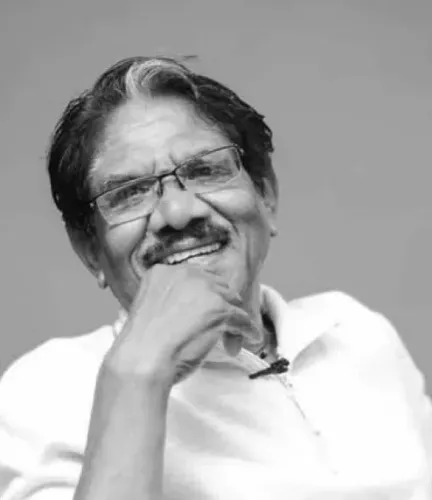
Congress general secretary Priyanka Gandhi Vadra met percussion artist Porur Unnikrishnan beside Tamil Nadu's ancient Porur Shiva Temple, discussing better support for temple arts and the enduring interest among young Indians in traditional percussion forms.
Key Takeaways
Congress general secretary Priyanka Gandhi Vadra met acclaimed percussion artist Porur Unnikrishnan in Porur, Tamil Nadu on 29 September 2026 .
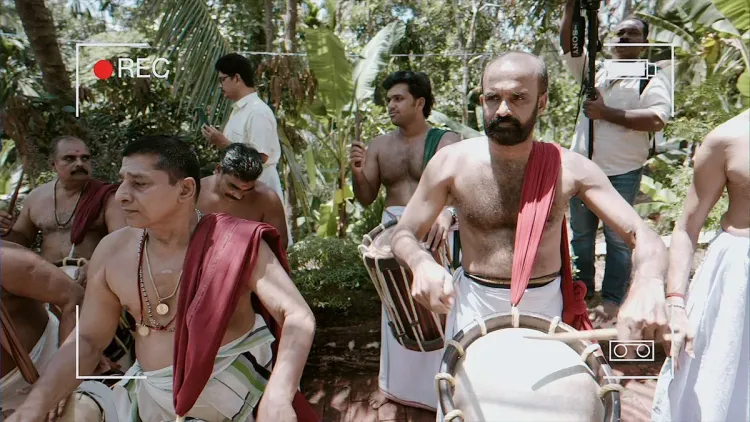
Porur Unnikrishnan lives beside a Shiva temple estimated to be over 2,000 years old , where temple-based percussion traditions remain active.
Priyanka described the meeting as 'a privilege' and said they discussed ways to better support temple arts .
The conversation highlighted that young people remain deeply interested in learning traditional art forms, pointing to an infrastructure gap rather than a demand gap.
Unnikrishnan's stated dream: to keep playing the drums for as long as he lives .
The meeting contributes to a broader public discourse on state and central support for intangible cultural heritage in India.
In a quiet corner of Porur, Tamil Nadu, beside a Shiva temple that dates back more than two thousand years, Congress general secretary Priyanka Gandhi Vadra sat down with one of India's most respected percussion artists — and came away with a conversation about survival, legacy, and a drummer's simplest dream.
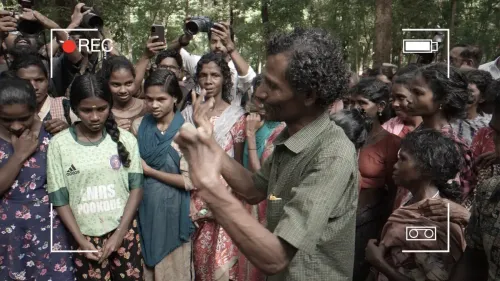
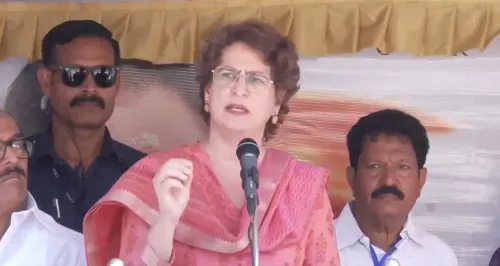
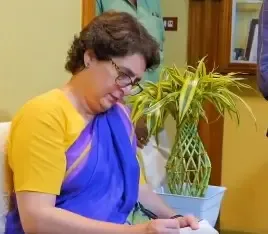
Posting on Tuesday, 29 September 2026, Priyanka described the encounter with Porur Unnikrishnan as 'a privilege.' The exchange, she wrote, covered 'the ways in which temple arts can be supported better and how young people are still deeply interested in learning these traditional art forms.' When she asked Unnikrishnan about his dream, his answer was disarmingly direct: he wants to keep playing the drums for as long as he lives.
Who is Porur Unnikrishnan — and why the temple matters
Porur Unnikrishnan is an acclaimed percussion artist whose home sits in the shadow of the ancient Porur Shiva Temple in Tamil Nadu — a structure whose ritual calendar has kept the percussion tradition alive across centuries. In Tamil Nadu, temple-based music is not merely ceremonial backdrop; it is a living ecosystem of rhythm, lineage, and coded performance knowledge passed from guru to student in direct oral transmission. For artists like Unnikrishnan, the temple is not just a neighbour — it is the institution that shapes and sustains the art form itself.Youth, inheritance, and the funding gap
The conversation also surfaced a finding that cuts against a common assumption: young people, Priyanka noted, are 'still deeply interested' in learning these forms. The problem is not demand — it is infrastructure. Across India, political figures periodically engage with classical and temple-art practitioners to discuss heritage preservation, but sustained funding mechanisms for intangible cultural heritage remain uneven. In Tamil Nadu in particular, percussion and ritual performance traditions coexist with high youth participation, yet artists and their students often lack institutional backing to formalise training or build sustainable livelihoods. The broader policy question — whether state or central government proposals on temple-art funding and structured training schemes will follow such engagements — remains open. For now, the meeting itself signals that conversations around sustaining India's living musical heritage are finding their way into political discourse. A two-thousand-year-old temple, a drummer who just wants to keep drumming. Sometimes a single image does the whole argument for you.Point of View
But it also carries an implicit policy signal: that heritage support needs structural fixes, not just ceremonial acknowledgement. The emphasis on youth interest reframes the usual narrative of dying traditions — it shifts the debate from cultural loss to institutional failure. For a Congress leader whose core constituency work is in Uttar Pradesh but whose parliamentary seat is in Kerala, engaging Tamil Nadu's temple-art ecosystem suggests a deliberate effort to build cultural credibility across southern India. Whether this translates into concrete legislative or budgetary proposals on intangible heritage funding will be the real test.
NationPress
29 Sept 2026
Frequently Asked Questions
Who is Porur Unnikrishnan?
Porur Unnikrishnan is an acclaimed Indian percussion artist based in Porur, Tamil Nadu, known for his deep association with the ancient Shiva temple there and his mastery of traditional temple percussion forms.
Why did Priyanka Gandhi visit Porur Unnikrishnan?
Congress general secretary Priyanka Gandhi Vadra met Porur Unnikrishnan to discuss how temple arts can be better supported and to learn about the state of traditional percussion training among young people in Tamil Nadu.
How old is the Porur Shiva Temple?
The Porur Shiva Temple in Tamil Nadu is stated to date back more than two thousand years, making it one of the region's most ancient temple sites.
Are young people still interested in traditional Indian temple arts?
Yes — Priyanka Gandhi Vadra noted after her meeting with Porur Unnikrishnan that young people are still deeply interested in learning traditional temple art forms, suggesting the challenge lies in institutional support rather than fading enthusiasm.
What did Porur Unnikrishnan say his dream is?
When asked about his dream, Porur Unnikrishnan said he would simply like to keep playing the drums for as long as he lives.