Punjab Cabinet OKs School Fee Ordinance, SDIP Under CM Mann
Synopsis
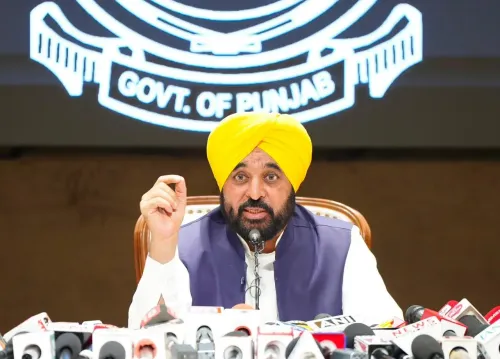
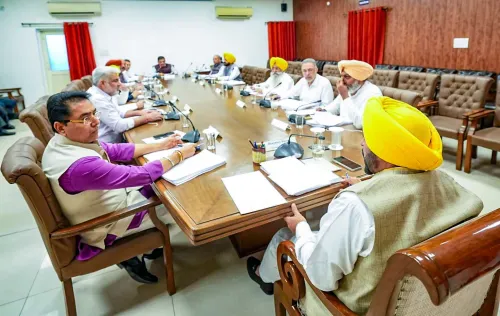
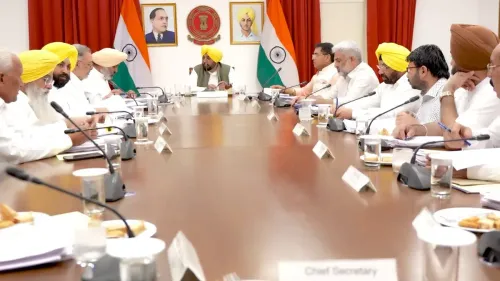
The Punjab Cabinet led by CM Bhagwant Mann on 22 June 2026 approved an ordinance regulating private school fee hikes, amended industrial incentive guidelines, cleared the State Data Integration Platform, and sanctioned a new Additional Deputy Commissioner post for Dasuya in Hoshiarpur district.
Key Takeaways
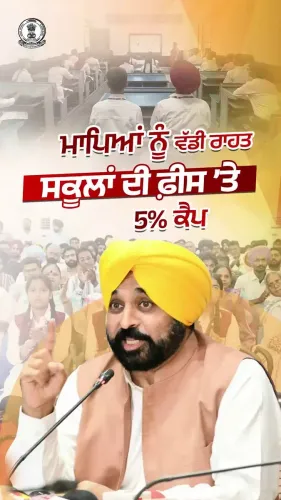
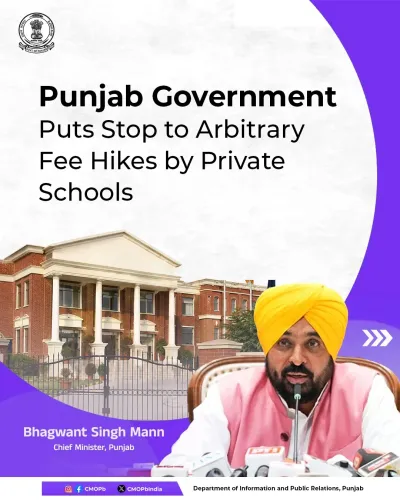
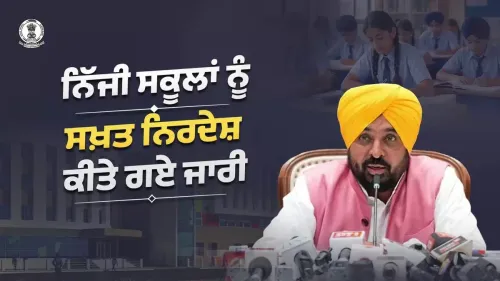
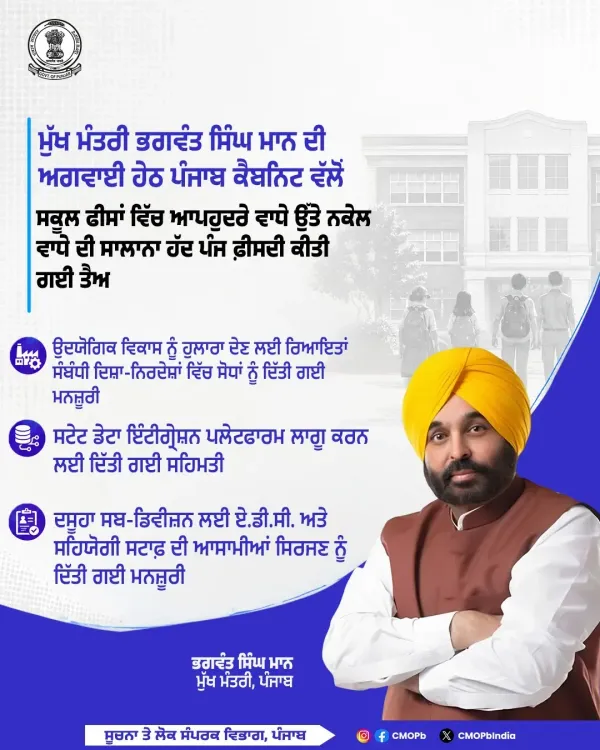
The Punjab Cabinet approved an ordinance to regulate fee hikes by private unaided schools , providing immediate relief to students and parents.
The cabinet amended industrial incentive guidelines as part of the state's ongoing effort to boost industrial development.
Concurrence was given for implementing the State Data Integration Platform (SDIP) to strengthen digital governance by linking government databases.
A new post of Additional Deputy Commissioner (General) along with supporting staff was sanctioned for Dasuya Sub-Division under District Hoshiarpur .
All decisions were taken under the leadership of Chief Minister Bhagwant Mann at the 22 June 2026 cabinet meeting.
The school-fee ordinance will become enforceable after gazette notification ; detailed SDIP timelines are expected in subsequent cabinet communications.
The Chief Minister's Office of Punjab announced on Monday, 22 June 2026 that the Punjab Cabinet, led by Chief Minister Bhagwant Mann, approved a clutch of significant decisions spanning education regulation, industrial policy, digital governance, and administrative restructuring.
Context
The cabinet meeting produced four distinct resolutions. As the official post states, the decisions were 'aimed at safeguarding the interests of students and parents, boosting industrial development, strengthening digital governance and improving administrative accessibility.' The most politically prominent among them is an ordinance to regulate fee hikes by private unaided schools across the state.
Private school fee regulation has been a recurring flashpoint in Punjab for years, with parents routinely protesting arbitrary annual increases. By promulgating an ordinance — a legally binding executive instrument issued between legislative sessions — the Mann government is moving faster than a standard legislative route would allow.
Policy Backdrop
Punjab governments prior to 2022 periodically issued notifications capping private school fee increases following sustained parental pressure, but enforcement remained inconsistent. The Aam Aadmi Party (AAP) administration that came to power in March 2022 under Bhagwant Mann had flagged fee regulation as part of its education-welfare agenda, and this ordinance represents its most direct legislative intervention on the issue to date.
On the industrial side, the cabinet amended existing industrial incentive guidelines, though the specific provisions of the revision were not detailed in the official communication. Such amendments typically adjust eligibility thresholds, subsidy rates, or sector-specific concessions to attract or retain investment. The AAP government in Punjab has revised industrial-incentive frameworks multiple times since 2022 as part of a broader administrative reform push.
The cabinet also gave its concurrence for implementing the State Data Integration Platform (SDIP) — a proposed state-level system designed to link government databases and streamline digital service delivery. Data-integration platforms of this kind aim to eliminate duplication across departmental silos, enabling faster and more transparent citizen services.
Stakeholders and Impact
The school-fee ordinance directly affects students and parents enrolled in private unaided schools across Punjab, a segment that has grown substantially as government school enrolment has fluctuated. Industrial units operating in or considering investment in the state will be affected by the revised incentive guidelines, though the direction of the revision — whether more or less generous — was not specified in the official announcement.
The SDIP implementation will primarily impact government departments and the residents who interact with them, promising faster, data-backed delivery of welfare and administrative services. Additionally, the creation of the post of Additional Deputy Commissioner (General) along with supporting staff for Dasuya Sub-Division under District Hoshiarpur is expected to improve administrative reach and responsiveness in a sub-division that had been operating without a dedicated senior officer at that level.
What's Next
The school-fee ordinance will require gazette notification before it becomes enforceable; the detailed provisions — including the cap mechanism, applicability criteria, and penalty clauses — will become clear at that stage. The SDIP implementation timeline and the specific databases to be integrated are expected to be elaborated in subsequent cabinet meetings or departmental orders.
Taken together, Monday's decisions signal that the Mann cabinet is using the mid-year cabinet cycle to address regulatory gaps in education and industry while simultaneously laying the groundwork for a more digitally integrated state administration — a combination that will be closely watched by both welfare advocates and the business community in Punjab.
Point of View
While the SDIP concurrence positions the state within the broader national trend of data-driven governance. The Dasuya ADC post, though modest in isolation, reflects a pattern of filling sub-divisional administrative gaps that have historically slowed welfare delivery in semi-urban Punjab. Together, the decisions reinforce the AAP's dual pitch of welfare-linked regulation and technocratic reform.
NationPress
21 Sept 2026
Frequently Asked Questions
What did the Punjab Cabinet decide about private school fees?
The Punjab Cabinet approved an ordinance to regulate fee hikes by private unaided schools, giving the state government legal authority to control arbitrary increases and protect students and parents from excessive charges.
What is the State Data Integration Platform (SDIP) approved by Punjab Cabinet?
The State Data Integration Platform (SDIP) is a proposed state-level system to link government databases and enable more efficient, transparent digital service delivery across Punjab's departments.
What is the new post created for Dasuya in Hoshiarpur?
The Punjab Cabinet sanctioned the creation of the post of Additional Deputy Commissioner (General) along with supporting staff for Dasuya Sub-Division under District Hoshiarpur to improve local administrative capacity.
What industrial decisions did the Punjab Cabinet take on 22 June 2026?
The Punjab Cabinet amended its industrial incentive guidelines on 22 June 2026 as part of efforts to boost industrial development, though the specific changes to the guidelines were not detailed in the official announcement.
When does the Punjab school fee ordinance come into effect?
The ordinance will come into effect after it is published in the official gazette; the detailed provisions including the cap mechanism and penalty clauses will be available at that stage.