Punjab CMO highlights 1076 doorstep scheme on Elder Abuse Day
Synopsis
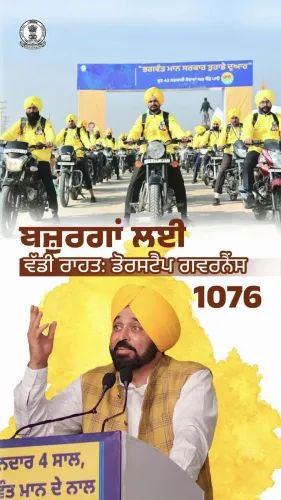
On World Elder Abuse Awareness Day, Punjab's Chief Minister's Office spotlighted the 1076 doorstep governance initiative, which delivers pensions, certificates, and hundreds of government services directly to senior citizens at home, framing it as a key intervention in elder welfare.
Key Takeaways
The Chief Minister's Office of Punjab highlighted the 1076 doorstep governance initiative on World Elder Abuse Awareness Day, 15 June 2026 .
The 1076 helpline enables residents to request government services — including pensions and certificates — delivered directly to their homes.
The initiative targets senior citizens who face mobility or accessibility barriers in reaching government offices.
Punjab has operated an old-age pension scheme since the 1960s , with the 1076 model serving as a last-mile delivery layer.
The central Maintenance and Welfare of Parents and Senior Citizens Act, 2007 provides the overarching legal framework for elder protection in India.
Punjab's approach mirrors a broader national trend of doorstep welfare delivery to reduce friction for vulnerable populations.
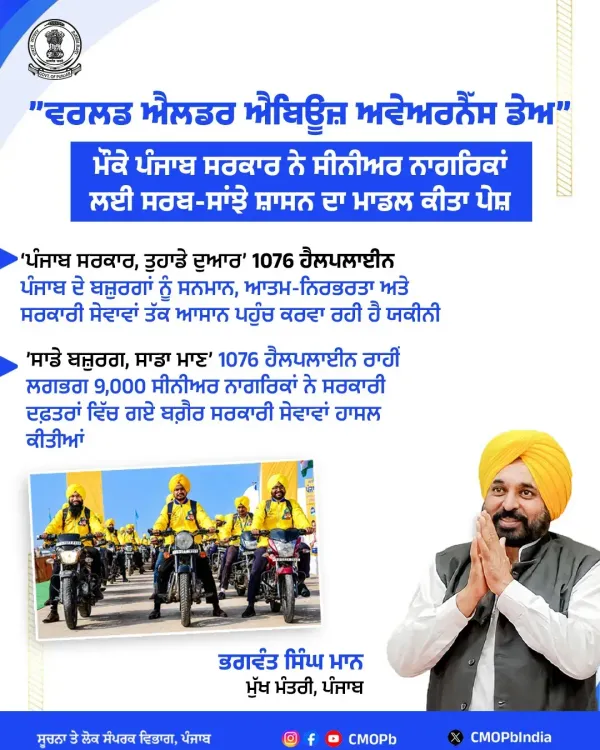
The Chief Minister's Office of Punjab on Sunday, 15 June 2026, highlighted the state's 1076 doorstep governance initiative as a meaningful step toward protecting senior citizens, marking the occasion of World Elder Abuse Awareness Day.
Context
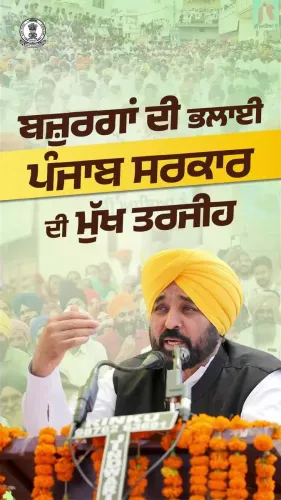
World Elder Abuse Awareness Day, observed annually on 15 June, is a global call to action against the neglect, exploitation, and abuse of older persons. The CMO's post, published in both Punjabi and English, framed the state's existing 1076 helpline-linked doorstep service as Punjab's concrete answer to this concern. The Punjabi text reads: 'ਵਰਲਡ ਐਲਡਰ ਐਬਿਊਜ਼ ਅਵੇਅਰਨੈੱਸ ਡੇਅ ਮੌਕੇ ਪੰਜਾਬ ਦੀ 1076 ਡੋਰਸਟੈੱਪ ਗਵਰਨੈਂਸ ਪਹਿਲ ਬਜ਼ੁਰਗਾਂ ਦੀ ਭਲਾਈ ਦੇ ਖੇਤਰ ਵਿੱਚ ਇੱਕ ਮਹੱਤਵਪੂਰਨ ਕਦਮ ਵਜੋਂ ਉੱਭਰ ਰਹੀ ਹੈ' — meaning, 'On the occasion of World Elder Abuse Awareness Day, Punjab's 1076 doorstep governance initiative is emerging as an important step in the field of senior citizen welfare.'
Policy Backdrop
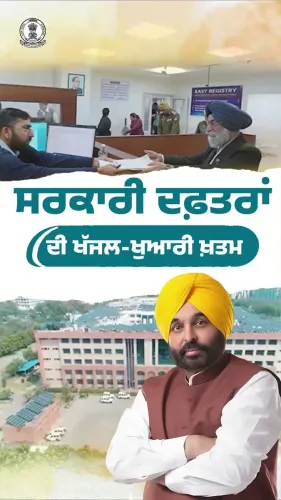
The 1076 number serves as a citizen helpline through which residents of Punjab can request government services at their doorstep, including pensions, certificates, and hundreds of other government services, without visiting a government office. This model directly addresses one of the most persistent barriers faced by elderly citizens: the physical difficulty of navigating bureaucratic processes.
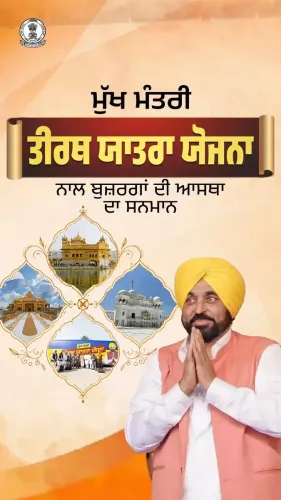
The broader legislative foundation for senior citizen protection in India rests on the Maintenance and Welfare of Parents and Senior Citizens Act, 2007, a central law that obligates family members to care for elderly relatives and establishes tribunals to adjudicate complaints. Punjab has operated an old-age pension scheme since the 1960s, periodically revised to expand coverage and revise benefit amounts. The 1076 initiative represents an operational layer built atop these entitlements, aimed at last-mile delivery.
Stakeholders and Impact
The primary beneficiaries of the scheme are elderly pensioners and senior citizens across Punjab who face mobility constraints, lack digital literacy, or live in areas distant from government service centres. By bringing services to the doorstep, the initiative reduces dependence on intermediaries and the risk of exploitation — a concern directly tied to the spirit of World Elder Abuse Awareness Day.
Across India, states have increasingly adopted doorstep and last-mile delivery models for welfare benefits, complementing national digital-governance programmes that seek to improve access without requiring physical office visits. Punjab's 1076 model fits within this broader pattern of reducing friction in public service delivery for vulnerable populations.
What's Next
Attention will now turn to whether Punjab expands the scope and staffing of the 1076 service, and how the state budget addresses home-delivery infrastructure for welfare benefits. At the national level, any amendments to the Maintenance and Welfare of Parents and Senior Citizens Act, 2007 in Parliament could further strengthen the legal framework within which such state initiatives operate. The CMO's decision to anchor the scheme's visibility to an international awareness day signals a deliberate push to frame elder welfare as a governance priority, not merely a social obligation.
Point of View
Where states compete to demonstrate welfare reach. The post stops short of citing specific outreach figures, which is consistent with the scheme's operational details remaining unverified in public records. Longer term, the durability of such initiatives will depend on budget allocations and grievance redressal capacity, not just the helpline's existence.
NationPress
13 Sept 2026
Frequently Asked Questions
What is Punjab's 1076 doorstep governance scheme?
The 1076 scheme is a Punjab government initiative through which citizens, particularly senior citizens, can call a helpline to have government services such as pensions and certificates delivered to their homes, removing the need to visit government offices.
What is World Elder Abuse Awareness Day?
World Elder Abuse Awareness Day is observed every year on 15 June to raise global awareness about the neglect, exploitation, and abuse faced by older persons, and to advocate for their rights and dignity.
How does the 1076 scheme help elderly people in Punjab?
It allows elderly residents who face mobility challenges or live far from government offices to access pensions, certificates, and hundreds of other services at their doorstep by simply calling the 1076 helpline.
What law protects senior citizens in India?
The Maintenance and Welfare of Parents and Senior Citizens Act, 2007 is the central legislation that obligates family members to support elderly relatives and establishes tribunals to address complaints of neglect or abuse.
Does Punjab have an old-age pension scheme?
Yes. Punjab has operated an old-age pension scheme since the 1960s , periodically revised to update coverage and benefit amounts, with the 1076 initiative now serving as a delivery mechanism for such entitlements.