Punjab CMO marks Anti-Drug Day, urges awareness
Synopsis
Punjab's Chief Minister's Office marked the International Day Against Drug Abuse and Illicit Trafficking on 26 June 2026, reaffirming the state's public commitment to raising awareness about drug-related problems through programmes and seminars, in line with the UN observance established in 1987.
Key Takeaways
The Chief Minister's Office of Punjab posted a public awareness message on 26 June 2026 to mark the International Day Against Drug Abuse and Illicit Trafficking.
The day is observed globally every year on 26 June , established by UN General Assembly resolution 42/112 in 1987 .
The post emphasised raising awareness through programmes and seminars about drug-related problems.
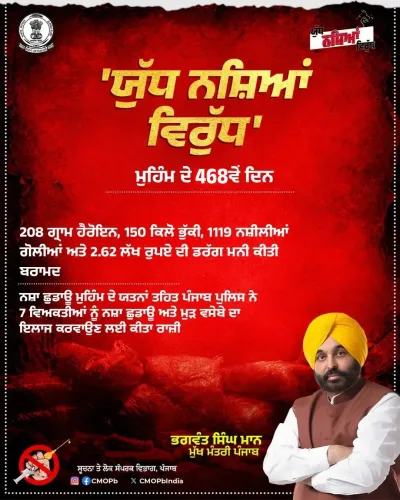
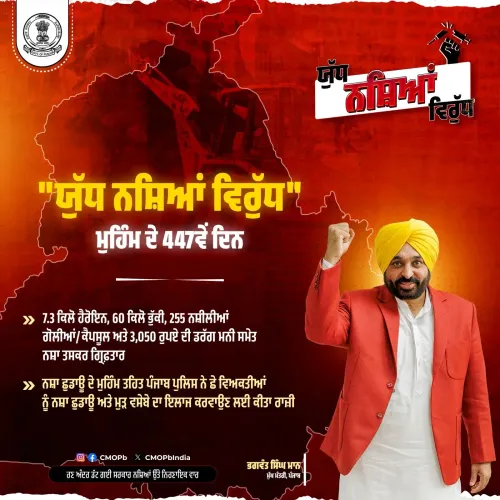
Punjab has documented high prevalence of opioid and synthetic drug use, partly linked to its border with Pakistan .
India's Narcotic Drugs and Psychotropic Substances Act of 1985 is the primary legal framework governing narcotics control in the country.
The observance is coordinated internationally by the United Nations Office on Drugs and Crime (UNODC) .
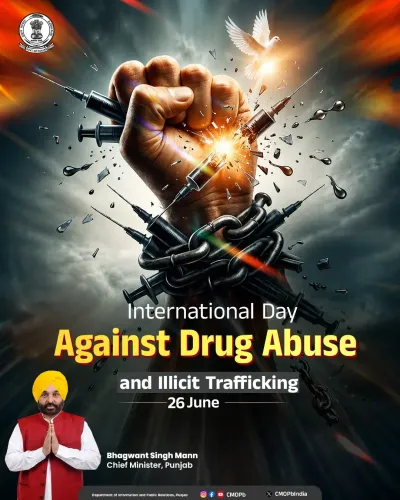
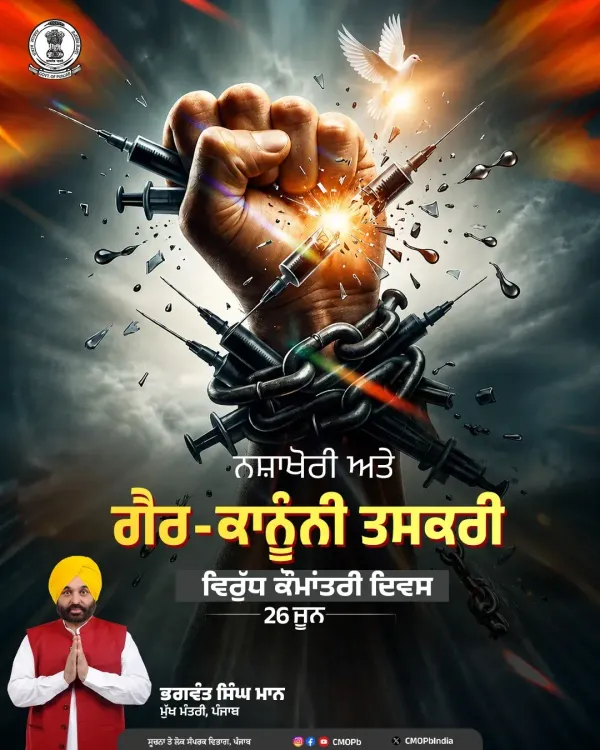
The Chief Minister's Office of Punjab marked the International Day Against Drug Abuse and Illicit Trafficking on 26 June 2026, sharing a public awareness message underscoring the global significance of the annual observance.
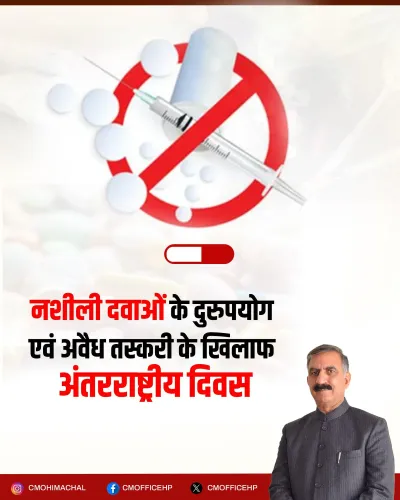
The post, published in Punjabi, noted that the day is observed every year on 26 June across the world through programmes and seminars aimed at raising awareness about problems related to drug abuse. The original text reads: 'ਨਸ਼ਾਖੋਰੀ ਅਤੇ ਗੈਰ-ਕਾਨੂੰਨੀ ਤਸਕਰੀ ਵਿਰੁੱਧ ਕੌਮਾਂਤਰੀ ਦਿਵਸ ਹਰ ਸਾਲ 26 ਜੂਨ ਨੂੰ ਦੁਨੀਆ ਭਰ ਵਿੱਚ ਨਸ਼ੇ ਨਾਲ ਜੁੜੀਆਂ ਸਮੱਸਿਆਵਾਂ ਬਾਰੇ ਜਾਗਰੂਕਤਾ ਵਧਾਉਣ ਲਈ ਪ੍ਰੋਗਰਾਮਾਂ ਅਤੇ ਸੈਮੀਨਾਰਾਂ ਨਾਲ ਮਨਾਇਆ ਜਾਂਦਾ ਹੈ।' ['The International Day Against Drug Abuse and Illicit Trafficking is observed every year on 26 June across the world through programmes and seminars to raise awareness about drug-related problems.']
Context
The International Day Against Drug Abuse and Illicit Trafficking was established by the United Nations General Assembly through resolution 42/112 in 1987. It is observed annually on 26 June and is coordinated globally by the United Nations Office on Drugs and Crime (UNODC). The day serves as a focal point for governments, civil society, and communities to reinforce commitment to a world free of drug abuse.Policy Backdrop
Punjab has been among the Indian states most acutely affected by substance abuse, particularly opioid and synthetic drug use. The state's long international border with Pakistan has historically made it a transit and destination point for narcotics trafficking. India's primary legal instrument in this domain, the Narcotic Drugs and Psychotropic Substances (NDPS) Act of 1985, provides the framework for controlling production, trafficking, and consumption of narcotics at the national level. State governments, including Punjab, operate within this framework while also running their own de-addiction and rehabilitation infrastructure.Stakeholders and Impact
The observance directly concerns Punjab's youth, families affected by addiction, and the network of state-run de-addiction centres that provide rehabilitation services. Awareness campaigns tied to international observances are typically aimed at reducing social stigma, encouraging voluntary treatment, and mobilising community participation in prevention efforts. The Chief Minister's Office communicating directly through social media amplifies the state government's public-health messaging to a wide audience at low cost.What's Next
The international observance typically catalyses follow-on activity at the state level, including seminars, school outreach, and coordination with central enforcement agencies. Analysts and civil society groups in Punjab will watch for concrete programme announcements or budget allocations for de-addiction infrastructure in the coming legislative session. Any updated joint action plan between state and central agencies on border trafficking would also be a significant development to track in the months ahead.Point of View
Aligning official messaging with an international day lends institutional weight to what might otherwise be routine public-health communication. The move fits a broader pattern of state governments using social media to demonstrate visible commitment on sensitive issues without necessarily announcing new policy. The real test will be whether this awareness push is followed by measurable action on de-addiction infrastructure or border enforcement in the months ahead.
NationPress
24 Sept 2026
Frequently Asked Questions
When is the International Day Against Drug Abuse and Illicit Trafficking?
It is observed every year on 26 June , as designated by the United Nations General Assembly through resolution 42/112 in 1987.
Why did Punjab CMO post about anti-drug day?
The Chief Minister's Office of Punjab posted to mark the UN's annual observance on 26 June 2026 , calling for awareness about drug abuse through programmes and seminars.
What is Punjab's drug problem?
Punjab has documented high prevalence of opioid and synthetic drug use. Its long border with Pakistan has historically made it vulnerable to narcotics trafficking, prompting repeated state-level awareness and enforcement drives.
Which law governs drug control in India?
The Narcotic Drugs and Psychotropic Substances (NDPS) Act of 1985 is India's primary legal framework for controlling the production, trafficking, and consumption of narcotics.
What is UNODC's role on Anti-Drug Day?
The United Nations Office on Drugs and Crime (UNODC) leads global coordination for the International Day Against Drug Abuse and Illicit Trafficking and supports member states, including India , in demand reduction and supply control efforts.