Punjab CMO Marks Anti-Drug Day, Highlights Awareness Drive
Synopsis
The Chief Minister's Office of Punjab joined the global observance of the International Day against Drug Abuse and Illicit Trafficking on June 26, 2026, highlighting awareness programmes and seminars as essential tools in the fight against drug abuse, a challenge the border state has long grappled with.
Key Takeaways
The Chief Minister's Office of Punjab marked International Day against Drug Abuse and Illicit Trafficking on June 26, 2026 .
The day was established by the UN General Assembly through resolution 42/112 in 1987 and is observed annually worldwide.
Punjab is particularly vulnerable due to its proximity to the Golden Crescent drug-trafficking corridor.
India's NDPS Act (1985) and the National Policy on Narcotic Drugs and Psychotropic Substances (2012) form the legal backbone of drug control in the country.
Key stakeholders include Punjab's youth , de-addiction centres , and border security agencies .
Future budget allocations for rehabilitation facilities and joint enforcement operations remain key indicators to watch.
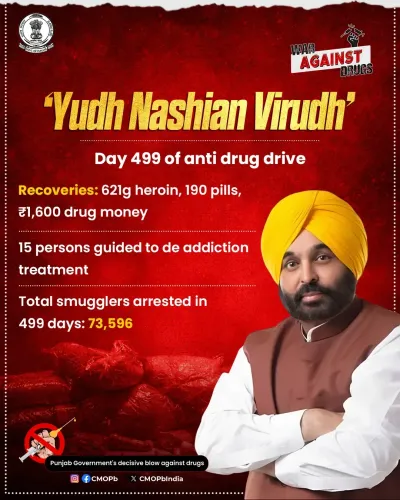
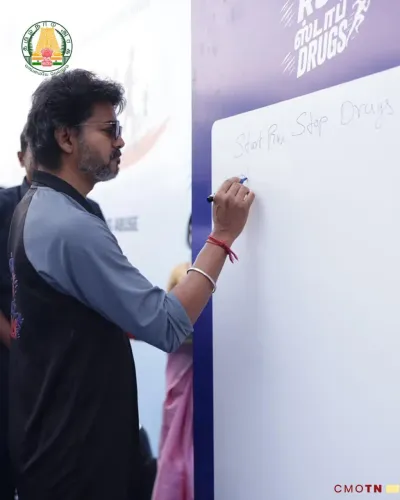
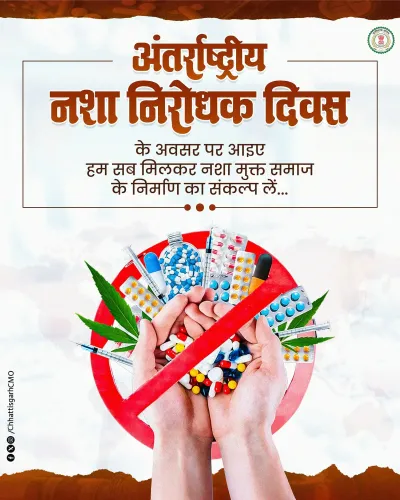
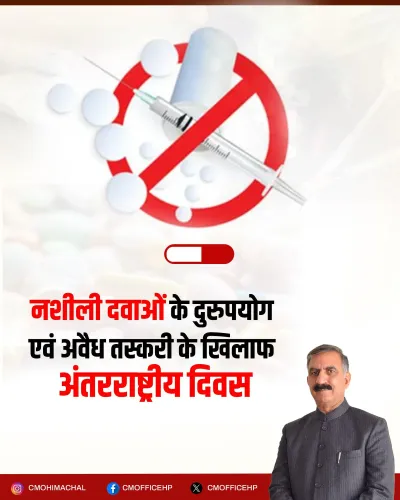
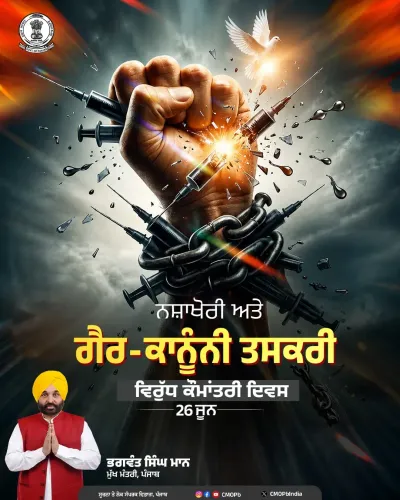
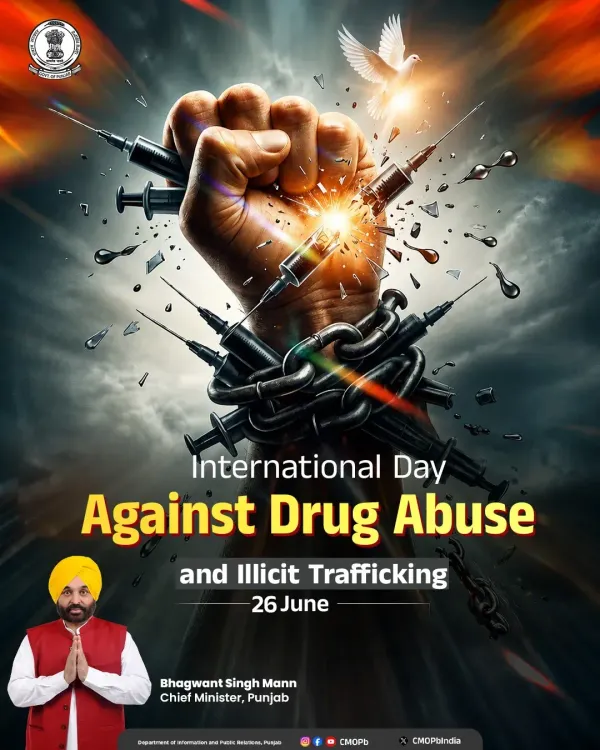
The Chief Minister's Office of Punjab marked the International Day against Drug Abuse and Illicit Trafficking on Friday, June 26, 2026, joining the global observance with a message underscoring the importance of awareness programmes and seminars in combating drug abuse.
The post from the official CMO Punjab account noted that the day is observed annually on June 26 across the world 'to raise awareness about issues related to drug abuse through programs and seminars.' The message was accompanied by the hashtags #InternationalDayAgainstDrugAbuseandIllicitTrafficking and #ਮੁੱਖ_ਮੰਤਰੀ_ਦਫ਼ਤਰ_ਪੰਜਾਬ (Chief Minister's Office, Punjab).
Context
The International Day against Drug Abuse and Illicit Trafficking was established by the United Nations General Assembly through resolution 42/112 in 1987. It is coordinated globally by the United Nations Office on Drugs and Crime (UNODC), which leads worldwide campaigns, data collection, and technical assistance under three UN drug conventions. Each year, the day serves as a focal point for governments, civil society, and communities to renew their commitment to a world free of drug abuse.Policy Backdrop
India enacted the Narcotic Drugs and Psychotropic Substances (NDPS) Act in 1985 to consolidate laws governing the manufacture, possession, and trafficking of controlled substances. The country further adopted the National Policy on Narcotic Drugs and Psychotropic Substances in 2012, aiming to balance enforcement with harm-reduction and rehabilitation measures. These frameworks guide both central and state-level responses to drug abuse, including awareness campaigns timed around the June 26 observance. Punjab, as a border state sharing proximity with the Golden Crescent trafficking corridor — spanning Afghanistan, Iran, and Pakistan — has been at the centre of national drug-control priorities for decades. The state has faced persistent challenges from opioid and synthetic drug abuse, making awareness and de-addiction efforts particularly significant on days such as this.Stakeholders and Impact
The primary stakeholders in Punjab's drug-control ecosystem include the state's youth population, which has historically borne the brunt of the drug crisis, alongside de-addiction centres and border security agencies tasked with interdiction. Awareness programmes and seminars — the focus of the CMO's message — are a key demand-reduction tool, complementing law-enforcement efforts on the supply side. Civil society organisations, school and college administrations, and health departments typically participate in events on this day to reach vulnerable communities. India participates in UN-led supply-reduction and demand-reduction initiatives while states implement localised programmes. For Punjab, the day carries added weight given the scale of the challenge and the state government's continued emphasis on rehabilitation alongside enforcement.What's Next
Observers will watch for Punjab's budget allocations toward new rehabilitation facilities and any joint enforcement operations announced in the period around the June 26 observance. As UNODC continues to refine its global strategy, state governments like Punjab are expected to align their local programmes with international best practices on both prevention and treatment. The degree to which awareness campaigns translate into measurable reductions in drug abuse will remain a key benchmark for policymakers in the months ahead.Point of View
Not incidental, making annual awareness pushes necessary but insufficient on their own. The post signals that the state government is aligned with international observance calendars, though the real test lies in sustained policy action — expanded rehabilitation infrastructure, inter-agency enforcement coordination, and measurable demand-reduction outcomes. Analysts will watch whether this year's observance is followed by concrete budgetary or legislative commitments.
NationPress
24 Sept 2026
Frequently Asked Questions
Why is June 26 observed as Anti-Drug Day?
June 26 is the International Day against Drug Abuse and Illicit Trafficking , established by the UN General Assembly in 1987 through resolution 42/112 to strengthen global action and raise awareness against drug abuse and illicit trafficking.
Why is Punjab particularly affected by drug abuse in India?
Punjab shares proximity with the Golden Crescent — a major drug-trafficking corridor spanning Afghanistan, Iran, and Pakistan — making it especially vulnerable to the inflow of opioids and synthetic drugs.
What is India's main law against drug trafficking?
India's primary legislation is the Narcotic Drugs and Psychotropic Substances (NDPS) Act, 1985 , which governs the manufacture, possession, sale, and trafficking of controlled substances.
What does the CMO Punjab do on International Anti-Drug Day?
The Chief Minister's Office of Punjab uses the occasion to issue awareness messages and highlight programmes and seminars aimed at educating the public about the dangers of drug abuse, as seen in its June 26, 2026 post.
What is the role of UNODC in anti-drug efforts?
The United Nations Office on Drugs and Crime (UNODC) coordinates global campaigns, collects data, and provides technical assistance to member states under three UN drug conventions to combat both supply and demand of illicit drugs.