Punjab Food Commission Pushes for Cleaner Mid-Day Meal Kitchens
Synopsis
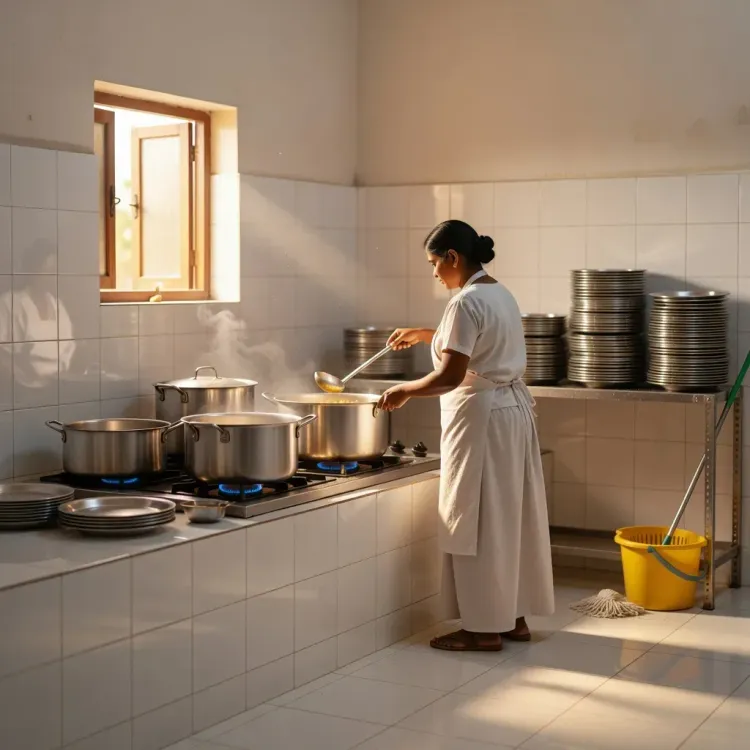
The Punjab State Food Commission has called for clean kitchens, proper sanitation, and hygienic toilets in government schools as part of a renewed push to run the Mid-Day Meal Scheme efficiently and deliver nutritious meals to students across the state.
Key Takeaways
The Punjab State Food Commission has emphasised efficient delivery of the Mid-Day Meal Scheme in state government schools.
The Commission specifically flagged three priorities: clean kitchens, proper sanitation amenities, and spotlessly clean toilets.
The announcement was made by the Chief Minister's Office of Punjab on 14 October 2026 .
The Mid-Day Meal Scheme was launched nationally in 1995 and is mandated under the National Food Security Act, 2013 .
Punjab's Food Commission is a statutory body responsible for monitoring food security and nutrition compliance across the state.
The push aligns with the CM Bhagwant Mann government's broader Punjab Sikhya Kranti (Punjab Education Revolution) initiative.
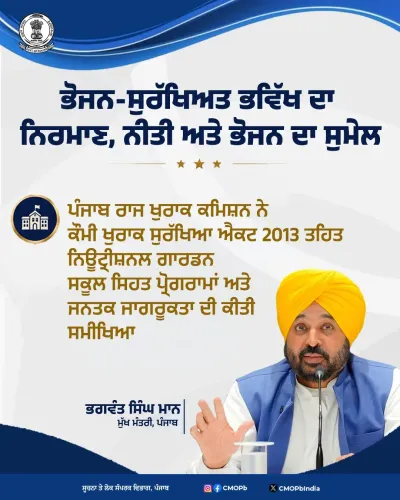
Every school day, millions of children in Punjab's government schools sit down to a cooked meal that, on its best day, is the most nutritious thing they will eat. The Punjab State Food Commission wants to make sure the kitchen behind that meal is as clean as the intent. On Wednesday, 14 October 2026, the Chief Minister's Office of Punjab announced that the Commission has placed renewed emphasis on hygiene, sanitation amenities, and spotlessly clean toilets as part of a broader push to run the Mid-Day Meal Scheme more efficiently across state schools.
What the Commission Is Demanding — and Why It Matters
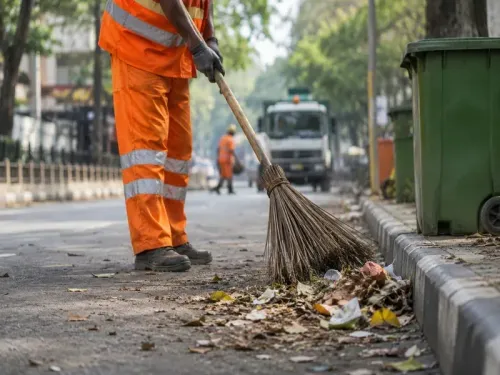
The Commission's directive zeroes in on three practical pillars: neat and tidy kitchen spaces, proper sanitation amenities at school premises, and clean toilet facilities. These may sound like baseline requirements, but in a scheme operating across thousands of government schools, consistent enforcement of even basic hygiene standards has historically been the hard part.
The official statement, issued in both Punjabi and English, frames the push as being squarely in service of students — 'ਸੂਬੇ ਦੇ ਸਰਕਾਰੀ ਸਕੂਲਾਂ ਦੇ ਵਿਦਿਆਰਥੀਆਂ ਲਈ ਪੌਸ਼ਟਿਕ ਭੋਜਨ ਯਕੀਨੀ ਬਣਾਉਣ' ('ensuring nutritious food for students of government schools of the state').
Three Decades of Mid-Day Meals — and the Monitoring Gap
The Mid-Day Meal Scheme is one of India's oldest and largest school nutrition programs, launched nationally in 1995 and later backed by the National Food Security Act, 2013, which mandated nutritional standards and tasked state food commissions with overseeing compliance. The ambition was never just calories — it was school attendance, gender equity, and a daily reason for children from low-income families to show up.
Over three decades, the scheme's strengths have always coexisted with its vulnerabilities: kitchen infrastructure that lags behind enrollment growth, irregular monitoring, and sanitation facilities that often fall below standard. National reviews by the Ministry of Education have periodically flagged these gaps, and Indian states have responded with fresh directives — Punjab's current Commission focus continues that corrective pattern.
Punjab's Food Commission as the Enforcement Layer
The Punjab State Food Commission is a statutory body charged with monitoring food security laws and nutrition programs in the state. Its involvement signals that this is not a school-level memo but a formal oversight push — the kind that can translate into inspections, accountability reports, and eventually budget asks for kitchen and sanitation upgrades.
The CM Bhagwant Mann-led government has branded school improvements under the 'Punjab Sikhya Kranti' (Punjab Education Revolution) umbrella, and nutrition infrastructure sits within that wider reform frame. The next quarterly review report by the Commission will reveal how this advocacy converts into measurable on-ground change.
Point of View
The Bhagwant Mann government signals an intent to treat enforcement — not just policy framing — as the deliverable. The real test lies in whether this advocacy triggers inspections, budget allocations for kitchen upgrades, and publicly available compliance reports, or whether it remains a well-worded directive that fades without follow-through.
NationPress
14 Oct 2026
Frequently Asked Questions
What is the Mid-Day Meal Scheme in Punjab?
The Mid-Day Meal Scheme provides free cooked meals to children in government and government-aided schools. Launched nationally in 1995 and strengthened by the National Food Security Act 2013, it aims to improve nutrition, school attendance, and enrollment among children from low-income families.
What has the Punjab State Food Commission said about government school kitchens?
The Punjab State Food Commission has called for neat and tidy kitchens, proper sanitation amenities, and spotlessly clean toilets in government schools as part of its push to run the Mid-Day Meal Scheme more efficiently and ensure healthy meals for students.
What is the Punjab State Food Commission?
It is a statutory body in Punjab responsible for monitoring food security laws and nutrition programs, including overseeing the implementation of the Mid-Day Meal Scheme across the state's schools.
What is Punjab Sikhya Kranti?
'Punjab Sikhya Kranti,' meaning Punjab Education Revolution, is the CM Bhagwant Mann government's branding for its school improvement initiatives, which include infrastructure upgrades, learning outcomes, and nutrition programs in government schools.
Why is kitchen hygiene important in the Mid-Day Meal Scheme?
Poor kitchen hygiene and sanitation in schools can lead to foodborne illness, undermine the nutritional goals of the scheme, and deter student attendance. National reviews have repeatedly identified infrastructure and cleanliness gaps as persistent challenges in the program's delivery.