Punjab community cooling zones launched to shield workers from heatwave
Synopsis
With Punjab's heatwave intensifying, a coalition of NGOs, Sikh institutions, and local bodies has bypassed waiting for top-down solutions — launching bamboo-shaded cooling shelters and drinking water stations across Amritsar, Chandigarh, and Patiala. The model, built on religious 'seva' and civil society coordination, is being watched as a replicable low-cost blueprint for climate adaptation in urban and rural India.
Key Takeaways
Saanjh Punjab , Eco Sewa , Kendriya Sikh Sabha , and Gurudwara Sahib Patiala have jointly launched community cooling zones across Punjab amid rising heatwave risks.
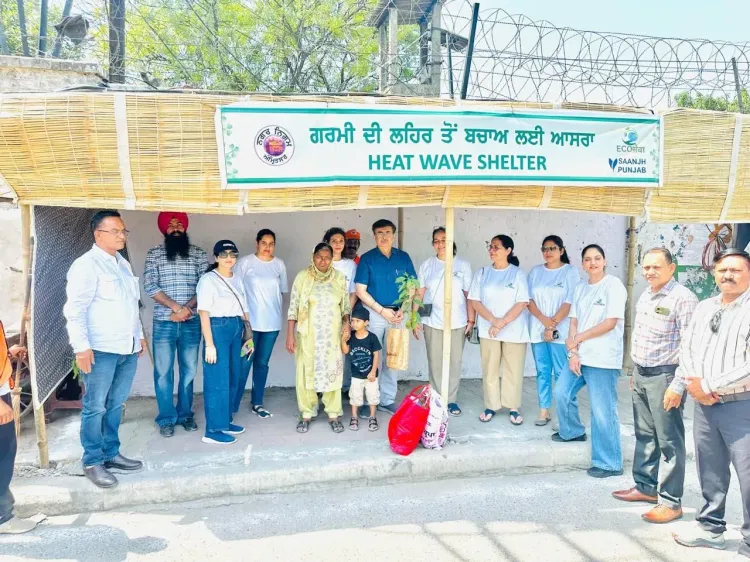
A heatwave shelter was inaugurated at Sadar Chowk, Amritsar , using an eco-friendly bamboo structure , opened by MOH Yogesh Arora .
Cooling zones are operational at Sector 28, Chandigarh and Gurdwara Parmeshwar Dwar, Shekhupur, Patiala ; more are planned for Patiala and Amritsar .
The Gram Panchayat of Jagdev Kalan in Amritsar district has also set up a shelter, extending the initiative to rural areas.
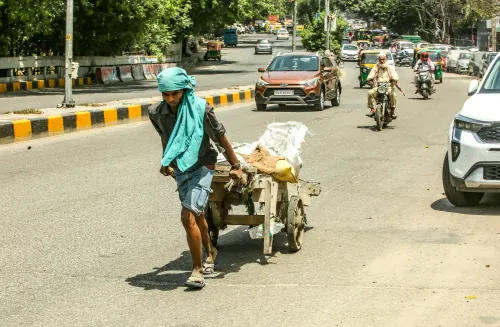
Organisers describe the model as a low-cost, high-impact measure to protect gig workers , daily-wage earners , and commuters from extreme heat.
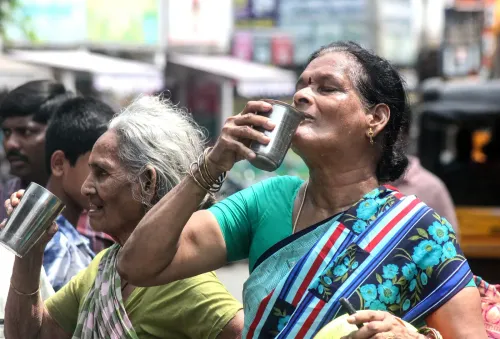
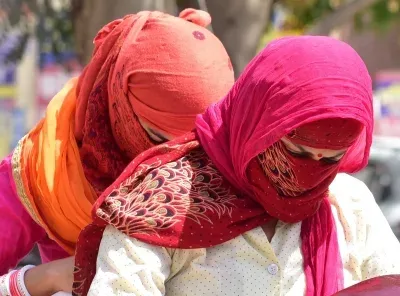
Amid an intensifying heatwave across Punjab, a coalition of NGOs, civil society groups, and religious institutions has established a network of community cooling zones and heat-relief shelters to protect gig workers, daily-wage earners, commuters, and other vulnerable residents from extreme temperatures. The initiative, coordinated under the banner of organisations including Saanjh Punjab, Eco Sewa, Kendriya Sikh Sabha, and Gurudwara Sahib in Patiala, is being rolled out in coordination with local authorities across the state.
Key Developments
The Municipal Corporation of Amritsar, alongside Eco Sewa and Saanjh Punjab, jointly inaugurated a heatwave shelter at Sadar Chowk in Amritsar. The shelter was formally opened by Yogesh Arora, Medical Officer of Health (MOH). Built using an eco-friendly bamboo structure with bamboo screening, the facility provides shade, drinking water, and rest space for pedestrians and commuters.
A separate heatwave shelter has been set up by the Gram Panchayat of Jagdev Kalan in Amritsar district, extending the initiative's reach to rural areas. Eco Sewa members present at the inauguration included Nidhi Sindhwani, Minakshi Khanna, Ridhi Khanna, Samriti Kapoor, Manik Chhina, Jasmine Gill, Harveen, and Deepti Khanna.
Where Cooling Zones Have Been Set Up
Additional cooling and resting spaces have been established at the office of Kendri Sri Guru Singh Sabha in Sector 28, Chandigarh, offering shaded seating and drinking water for workers and commuters. Further facilities have been created at Gurdwara Parmeshwar Dwar in Shekhupur, Patiala. Organisers have confirmed that additional cooling zones are planned for Patiala and Amritsar in the coming weeks.
What Organisers Said
Gurpreet Singh of Kendri Sri Guru Singh Sabha said the Sikh tradition places great emphasis on 'seva' and caring for humanity. He noted that as heatwaves become more severe, providing drinking water, shade, and a place to rest is a practical way to protect people's health and dignity.
Nidhi Sindhwani of Eco Sewa said environmental action should directly benefit people, adding that heat shelters, tree cover, and public cooling spaces are 'simple interventions that can make cities more livable while helping communities adapt to rising temperatures.'
Gurpreet Kaur of Clean Air Punjab described extreme heat as one of the most significant climate risks facing Punjab's residents, calling community cooling zones a 'low-cost, high-impact measure' to reduce heat stress and protect vulnerable populations.
Broader Significance
Saanjh Punjab — a citizens' network focused on agriculture, climate resilience, and environmental sustainability across Punjab — has been facilitating collaboration among the community groups and institutions involved. Organisers hope the model will encourage wider partnerships between religious institutions, civil society, and government agencies to build long-term resilience to extreme heat. This comes amid growing concern over climate-linked heatwave frequency across northwest India, where temperatures have repeatedly broken seasonal records in recent years.
Point of View
Using bamboo and 'seva' to fill a public-health gap that urban planners have long neglected. The deeper question is whether this remains a one-summer effort or gets institutionalised — because northwest India's heatwave window is widening, and informal shelters alone cannot substitute for systemic urban heat-island planning, tree-cover mandates, and worker-protection legislation that India still lacks.
NationPress
19 Sept 2026
Frequently Asked Questions
What are the community cooling zones set up in Punjab?
They are publicly accessible heat-relief shelters providing shade, drinking water, and rest space for gig workers, daily-wage earners, and commuters exposed to extreme heat. Set up by NGOs and religious bodies across Amritsar, Chandigarh, and Patiala, the shelters include bamboo-constructed structures and indoor rest areas.
Which organisations are behind the Punjab heatwave shelter initiative?
The initiative is led by Saanjh Punjab, Eco Sewa, Kendriya Sikh Sabha, and Gurudwara Sahib in Patiala, in coordination with the Municipal Corporation of Amritsar and local gram panchayats. Clean Air Punjab is also among the supporting groups.
Where are the cooling zones located?
Operational locations include Sadar Chowk in Amritsar, the Kendri Sri Guru Singh Sabha office in Sector 28 Chandigarh, Gurdwara Parmeshwar Dwar in Shekhupur Patiala, and a rural shelter set up by the Gram Panchayat of Jagdev Kalan in Amritsar district. Additional zones are planned for Patiala and Amritsar in the coming weeks.
Who benefits from these heat-relief shelters?
The shelters are designed primarily for gig workers, daily-wage earners, pedestrians, and commuters who lack access to air-conditioned spaces during extreme heat. They are open to any member of the public seeking temporary relief from high temperatures.
Why are community cooling zones important for Punjab?
Extreme heat is one of the most significant climate risks in Punjab, according to Clean Air Punjab's Gurpreet Kaur. Community cooling zones are described as a low-cost, high-impact intervention to reduce heat stress and protect vulnerable populations, particularly as heatwave frequency and intensity increase across northwest India.