Govt issues heatwave advisory for workers: cooling, water, flexible hours mandated
Synopsis
With heatwaves sweeping India, the Ministry of Labour and Employment has issued sweeping directives — mandating flexible hours, cooling areas, emergency ice packs, and fortnightly compliance reports. The advisory puts construction workers, brick kiln workers, and daily wage earners at the centre of a coordinated national response, with real accountability mechanisms built in.
Key Takeaways
The Ministry of Labour and Employment issued heatwave advisories to all States/UTs on 28 April 2025 .
Employers must provide drinking water, rest areas, workplace cooling , and emergency ice packs to workers.
Rescheduling of working hours and two-person crew assignments mandated during extreme heat periods.
Construction workers, brick kiln workers, daily wage earners and casual labourers identified for special attention.
All organisations must submit fortnightly status reports to the ministry for compliance monitoring.
Awareness campaigns to be held at labour chowks and public spaces with safety messaging and emergency contacts.
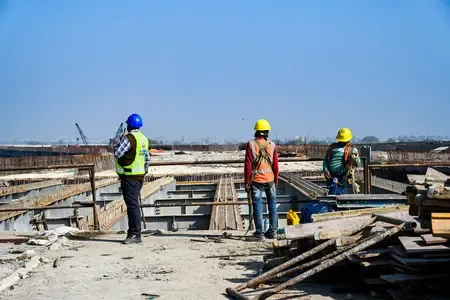
The Ministry of Labour and Employment on Tuesday, 28 April issued comprehensive heatwave advisories to all States and Union Territories and its attached organisations, directing immediate preventive and mitigation measures to protect workers and labourers from rising temperatures and heatwave conditions sweeping across India. The advisory targets outdoor and labour-intensive sectors, where workers face the greatest exposure to extreme heat.
Key Directives to States and Employers
In a communication addressed to Chief Secretaries and Administrators of all States and UTs, the ministry emphasised a coordinated, multi-sectoral approach to worker safety. States and UTs have been advised to issue directions to employers, occupiers, industries, and construction companies for immediate implementation of safety measures.
The advisory mandates rescheduling of working hours across sectors, ensuring adequate drinking water facilities, and making provisions for rest areas and workplace cooling. Employers have also been directed to provide emergency ice packs and heat illness prevention materials, particularly for construction workers operating in high-exposure environments.
Special Measures for Factories and Mines
Factory and mine managements have been specifically advised to allow greater flexibility to workers during periods of extreme heat. This includes slowing the pace of work, assigning two-person crews where continuous work is unavoidable, ensuring sufficient ventilation, and maintaining cooling arrangements at worksites.
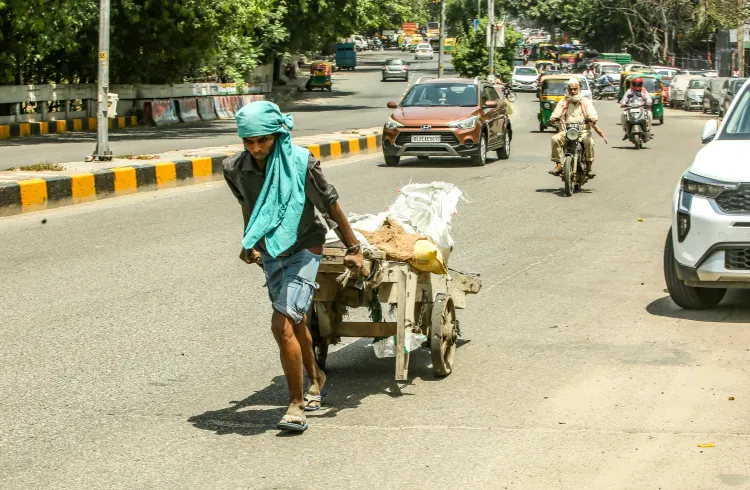
Notably, the ministry has recommended special attention for construction workers, brick kiln workers, daily wage earners, and casual labourers — groups that are disproportionately vulnerable to heat-related illness due to their unregulated and outdoor working conditions.
Awareness Campaigns and Health Coordination
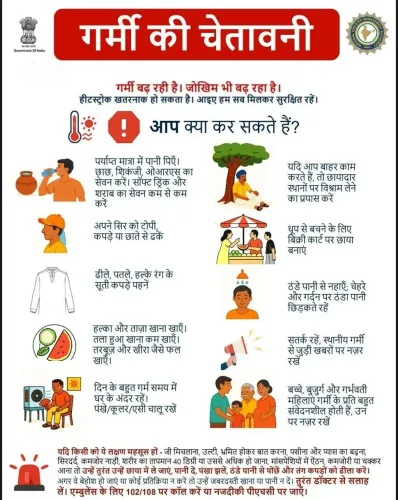
States and UTs have been encouraged to conduct awareness campaigns at labour chowks and public places, including display of posters and banners carrying heatwave safety messages and emergency contact details. The ministry has also directed coordination with Health Departments to ensure regular health check-ups for workers during the heatwave period.
The Directorate General of Training, National Board for Workers' Education (DTNBWE) has been advised to organise awareness and training programmes specifically focused on heatwave mitigation and management.
Monitoring and Compliance
All organisations covered under the advisory have been requested to submit fortnightly status reports on actions taken and activities undertaken, enabling the ministry to review and monitor compliance on an ongoing basis. This reporting mechanism signals the Centre's intent to move beyond advisory issuance toward active accountability. As temperatures continue to climb across the country, the effectiveness of these measures will depend heavily on state-level enforcement and employer compliance in the weeks ahead.
Point of View
And then rarely enforced. This edition has one structural improvement — a fortnightly reporting mandate — but the ministry has not specified what happens when states fail to comply or when employers ignore directions. Construction workers and brick kiln labourers, the most exposed groups, are also the least unionised and least likely to report violations. The real test of this advisory is not its language, which is comprehensive, but whether the compliance architecture has teeth. Without penalties and inspection mechanisms, this risks becoming another well-intentioned circular that does not survive contact with ground reality.
NationPress
30 Sept 2026
Frequently Asked Questions
What does the government's heatwave advisory for workers include?
The advisory mandates rescheduling of working hours, provision of adequate drinking water, rest areas, workplace cooling, and emergency ice packs for workers in high-exposure environments. It also calls for coordination with Health Departments for regular worker health check-ups.
Which workers are most at risk and receive special attention under the advisory?
Construction workers, brick kiln workers, daily wage earners, and casual labourers have been specifically identified for special attention, as they are most exposed to outdoor heat with the least workplace protections.
What are factories and mines required to do during heatwave conditions?
Factory and mine managements have been advised to slow the pace of work during extreme heat, assign two-person crews where continuous work is unavoidable, provide rest areas, and ensure sufficient ventilation and cooling arrangements for workers.
How will the government monitor compliance with the heatwave advisory?
All organisations covered under the advisory are required to submit fortnightly status reports to the Ministry of Labour and Employment, detailing actions taken and activities undertaken for ongoing review and monitoring.
What awareness measures are being taken for workers at labour chowks?
States and UTs have been encouraged to conduct awareness campaigns at labour chowks and public places, displaying posters and banners with heatwave safety messages and emergency contact details. The DTNBWE has also been directed to organise training programmes on heatwave mitigation.