Are All Crop, Soil, and Irrigation Water Samples Safe? Punjab's Report to NGT
Synopsis
Punjab's government assures the NGT that all tested crop, soil, and irrigation water samples have met safety standards, alleviating concerns of agricultural runoff pollution. This comprehensive study covers multiple districts, showcasing the state's commitment to ensuring environmental safety and agricultural integrity.
Key Takeaways
All tested samples comply with safety standards.
Study conducted across nine districts.
Ongoing monitoring is essential for environmental health.
Uranium levels remain below maximum limits.
NGT retains the option to revisit findings in the future.
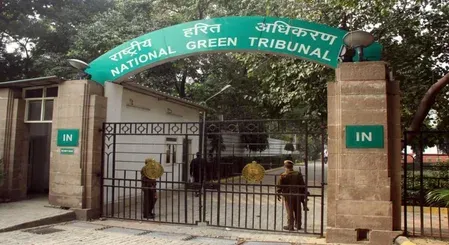
New Delhi, Jan 2 (NationPress) The Punjab government has communicated to the National Green Tribunal (NGT) that all analyzed samples of crops, soil, and irrigation water, as part of a state-initiated investigation into agricultural runoff and groundwater contamination, were confirmed to be within established safety thresholds.
This revelation was made in the initial interim report (March-June 2025) submitted by the Punjab Biotechnology Incubator (PBTI), stemming from a suo motu case initiated by the tribunal following a media report that claimed agricultural runoff was polluting groundwater in Punjab.
In presenting these findings to the NGT, the Punjab government highlighted that the Phase-I study encompassed 11 sites across nine districts—Ropar, Fatehgarh Sahib, Mohali, Nawanshahr, Sangrur, Bathinda, Fazilka, Ludhiana, and Moga—and involved the collection of 440 samples, which included 275 agricultural products, 88 soil samples, and 77 irrigation water samples.
The interim report stated, “all 440 samples of agricultural products, soil, and irrigation water were found to be below the maximum permissible limits stipulated in their respective standards.”
It noted that uranium levels in irrigation water varied from 0.005 mg/l to 0.131 mg/l, while soil samples demonstrated uranium concentrations ranging from 0.5 mg/kg to 6.7 mg/kg, with no current regulatory limits defined for uranium in these categories.
This study was commissioned after the NGT took note of concerns raised by a research paper from IIT Mandi, which indicated rising groundwater pollution in Punjab due to heavy agricultural runoff, particularly in the southwestern part of the state.
In a directive issued in January of the previous year, a Bench led by Chairperson Justice Prakash Shrivastava instructed the Punjab government to conduct a thorough evaluation of heavy metals in crops and to submit interim and final reports at specified intervals.
The tribunal also observed that in certain areas, parameters like nitrates, fluoride, total dissolved solids (TDS), and iron in groundwater had surpassed drinking water standards.
The NGT mandated that “the State of Punjab will provide an action taken report upon completion of 4th, 8th, 12th, and 18th months, along with the interim and final report of the PBT, to the Registrar General of the Tribunal.”
The NGT has retained the option to revisit this matter if necessary after assessing subsequent reports.
Point of View
This report should be seen as a significant step towards addressing environmental concerns in Punjab. While the findings are reassuring, ongoing monitoring and transparency will be crucial to ensure that agricultural practices remain sustainable and do not compromise groundwater quality.
NationPress
30 Sept 2026
Frequently Asked Questions
What did the Punjab government report to the NGT?
The Punjab government reported that all analyzed crop, soil, and irrigation water samples were within prescribed safety limits.
What was the purpose of the study commissioned by the Punjab government?
The study aimed to investigate agricultural runoff and groundwater pollution in the state.
How many samples were collected during the study?
A total of 440 samples were collected, including 275 agri-food commodities, 88 soil samples, and 77 irrigation water samples.
What were the uranium levels found in the irrigation water?
Uranium concentrations in irrigation water ranged from 0.005 mg/l to 0.131 mg/l.
What are the next steps following this report?
The Punjab government must submit action reports at specified intervals, and the NGT may revisit the matter if necessary.