Puri Reviews GBA Growth: 34 Nations Now in Alliance
Synopsis
Union Petroleum Minister Hardeep Singh Puri on 17 July 2026 reviewed the Global Biofuels Alliance, launched by PM Modi at India's 2023 G20 Summit. The GBA has grown from 19 founding members to 34 countries and 14 international organisations, with more nations in active talks to join, cementing it as a key institution for the Global South's energy transition.
Key Takeaways
Union Petroleum Minister Hardeep Singh Puri reviewed the Global Biofuels Alliance (GBA) on 17 July 2026 .
The GBA was launched by PM Narendra Modi during India's G20 Presidency in 2023 with 19 founding members .
Membership has grown to 34 countries and 14 international organisations .
Several additional countries are in active talks to join the alliance.
The GBA focuses on technology sharing, policy frameworks, and driving the biofuels agenda for the Global South .
India's Ministry of Petroleum and Natural Gas serves as the nodal ministry for the GBA's international outreach.
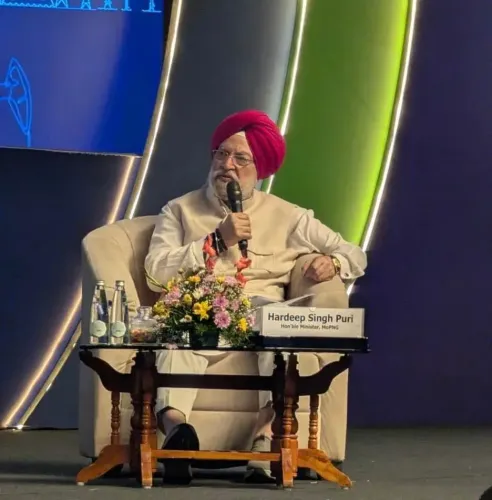
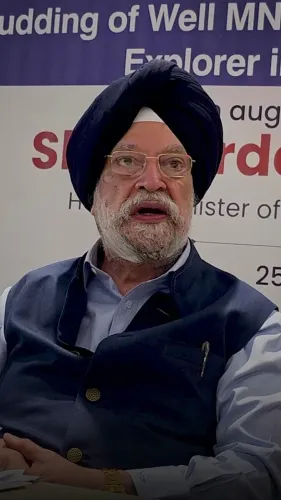
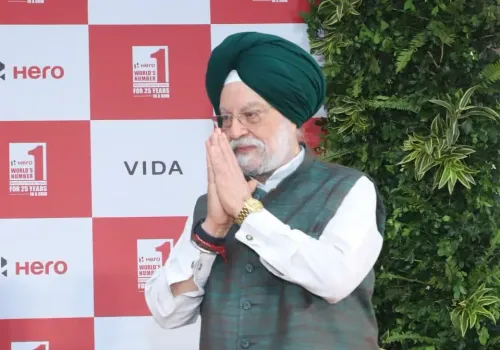
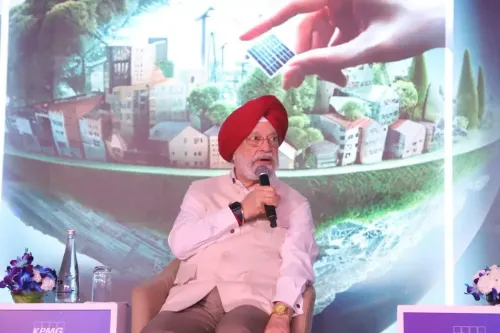
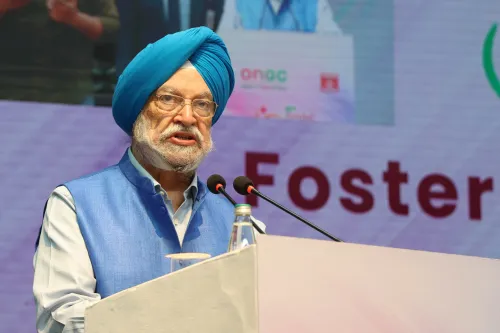
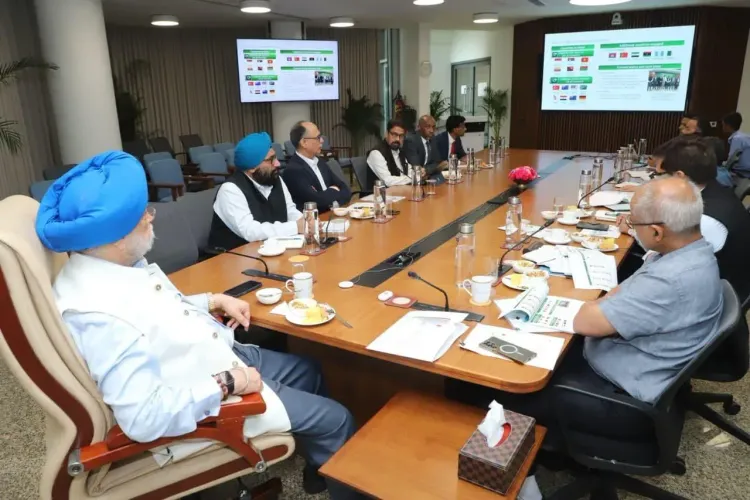
Union Petroleum Minister Hardeep Singh Puri on Friday, 17 July 2026 reviewed the progress of the Global Biofuels Alliance (GBA), announcing that the multilateral body has grown from 19 founding members at its 2023 launch to 34 member countries and 14 international organisations, with more nations in active discussions to join.
Context
The Global Biofuels Alliance was formally launched by Prime Minister Narendra Modi during India's G20 Presidency at the New Delhi Summit in September 2023. It was conceived as a platform to accelerate the development and deployment of biofuels globally, with an emphasis on technology sharing, policy harmonisation, and creating new markets for agricultural feedstocks. Minister Puri, posting on X, described the alliance's trajectory in direct terms: 'What started as an idea is now a growing international institution, driving the biofuels agenda for the Global South and the world.'
The GBA sits at the intersection of India's domestic energy ambitions and its broader climate diplomacy. India's National Policy on Biofuels (2018) had already set the domestic foundation, establishing ambitious ethanol blending targets that have since become a reference point for other developing nations exploring similar pathways.
Policy Backdrop
India used its 2023 G20 Presidency to position itself as a champion of energy transition models suited to the Global South — economies that need affordable, scalable alternatives to fossil fuels without sacrificing agricultural livelihoods or food security. The GBA was the most visible institutional outcome of that effort, joining initiatives on solar energy and green hydrogen as part of India's multilateral climate portfolio.
Biofuels occupy a distinctive space in this agenda. Unlike solar or wind, they can be integrated into existing fuel infrastructure and offer income opportunities to farming communities. For countries with large agrarian populations, this makes biofuels a politically as well as economically attractive transition tool. The Ministry of Petroleum and Natural Gas, which Puri heads, has been the nodal ministry for both domestic blending programmes and the GBA's international outreach.
Stakeholders and Impact
The expansion from 19 to 34 member countries and the addition of 14 international organisations signals that the GBA has moved beyond a symbolic launch-day gesture into an operational institution. Developing nations in Africa, Latin America, and Southeast Asia — many of which produce sugarcane, maize, or other biofuel feedstocks — stand to gain from the technology-sharing frameworks and policy templates the alliance promotes.
Biofuel producers, both state-owned enterprises and private sector players, also have a direct stake in the alliance's growth. A larger GBA membership translates to a wider potential market and a stronger multilateral signal to investors that biofuels are a credible long-term energy category. For India specifically, a thriving GBA reinforces the domestic ethanol blending programme's logic and helps insulate it from criticism that it diverts food crops to fuel.
What's Next
With 'several more countries in active talks to join,' according to Puri's post, the GBA's membership count could cross 40 nations in the near term. The alliance's next formal ministerial or technical meeting will be closely watched for announcements on new members, updated blending mandates, and financing mechanisms for biofuel infrastructure in lower-income economies.
Observers will also track whether the GBA secures a formal role in upcoming UNFCCC or BRICS energy discussions, which would further institutionalise biofuels as a recognised pillar of the global energy transition. India's ability to sustain momentum in the GBA will be a test of whether the multilateral initiatives it seeded during its G20 year can outlast the presidency itself and evolve into durable global institutions.
Point of View
Suggesting that at least some of New Delhi's multilateral energy initiatives have achieved self-sustaining momentum. For Minister Puri, the review serves a dual purpose: validating India's climate diplomacy credentials internationally while reinforcing the domestic logic of the ethanol blending programme. The framing around the 'Global South' is deliberate — it positions India not merely as a participant in the global energy transition but as its architect for developing economies. Whether the GBA can secure financing mechanisms and binding commitments, rather than remaining a forum for declarations, will determine its long-term significance.
NationPress
16 Oct 2026
Frequently Asked Questions
What is the Global Biofuels Alliance?
The Global Biofuels Alliance (GBA) is a multilateral body launched in 2023 by PM Narendra Modi during India's G20 Presidency to accelerate biofuel development, technology sharing, and policy collaboration among member countries.
How many countries are members of the Global Biofuels Alliance in 2026?
As of July 2026, the GBA has 34 member countries and 14 international organisations, up from 19 founding members at its launch in 2023, according to Union Petroleum Minister Hardeep Singh Puri.
Who oversees India's role in the Global Biofuels Alliance?
The Union Ministry of Petroleum and Natural Gas, headed by Minister Hardeep Singh Puri, is the nodal ministry for India's participation in and international outreach through the GBA.
Why did India launch the Global Biofuels Alliance?
India launched the GBA to champion biofuels as an affordable, scalable energy transition pathway for the Global South, building on its own domestic ethanol blending programme and using the G20 platform to internationalise the model.
What is India's ethanol blending programme?
India's ethanol blending programme, rooted in the National Policy on Biofuels (2018), mandates the mixing of ethanol derived from agricultural feedstocks with petrol to reduce fossil fuel dependence and support farmer incomes.