Puri hails GBA's 15 new Biofuel Champion Fellows
Synopsis
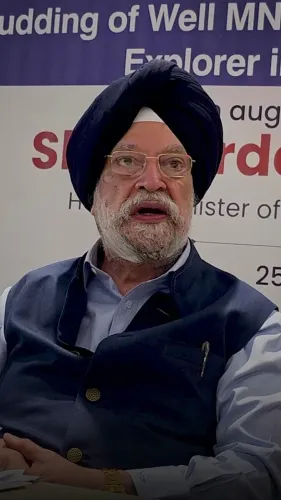
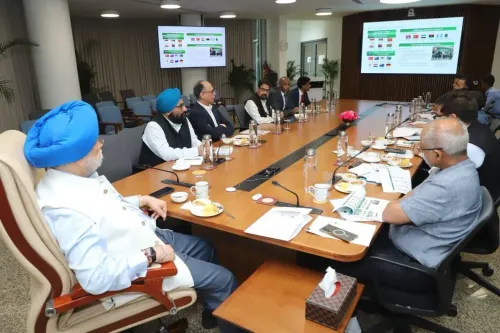
Union Petroleum Minister Hardeep Singh Puri on 2 July 2026 welcomed 15 researchers inducted into the Global Biofuel Champion Fellowship, the GBA's flagship programme launched under India's G20 presidency, urging them to use India's bioenergy policy as a global blueprint for the net-zero transition.
Key Takeaways
15 researchers have been inducted into the Global Biofuel Champion Fellowship (GBCF) programme as GBA Ambassadors.
The Global Biofuels Alliance (GBA) was launched by PM Narendra Modi at the G20 New Delhi Summit in September 2023 .
Union Petroleum Minister Hardeep Singh Puri called the induction 'a phenomenal milestone for global energy diplomacy.' Puri urged fellows to treat India's bioenergy trajectory as 'an open-source blueprint for the global community.' The GBA operates as a voluntary network focused on technology transfer and standard-setting, not binding commitments.
The fellowship is designed to bridge laboratory innovation and real-world policy implementation in member countries.
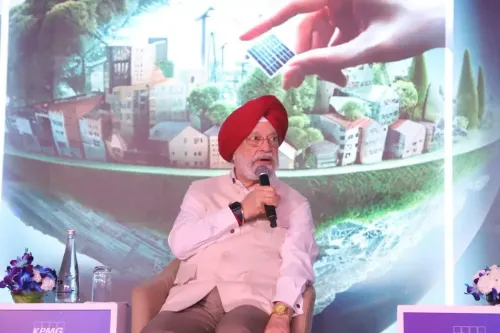
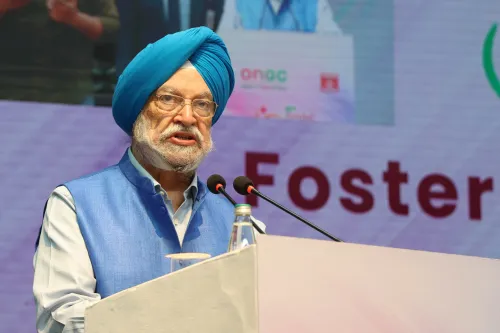
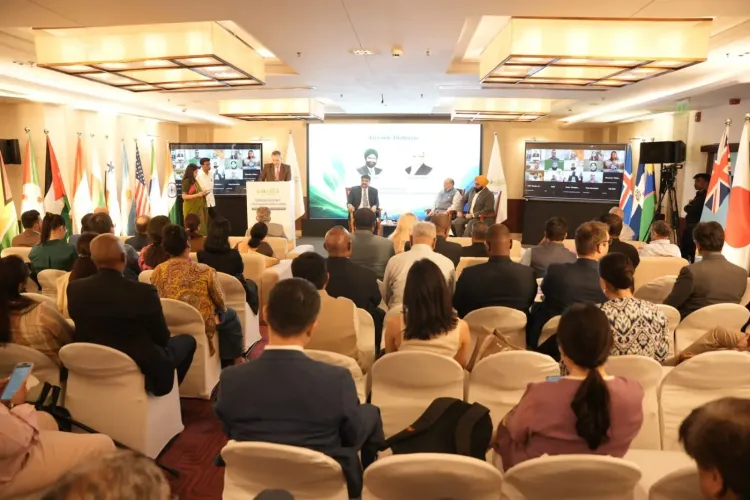
Union Petroleum Minister Hardeep Singh Puri on Thursday, 2 July 2026 celebrated the induction of 15 researchers into the Global Biofuel Champion Fellowship (GBCF) programme, calling it 'a phenomenal milestone for global energy diplomacy' and urging the new fellows to treat India's bioenergy trajectory as 'an open-source blueprint for the global community.'
Context
The Global Biofuels Alliance (GBA) was launched by Prime Minister Narendra Modi during India's landmark presidency of the G20 at the New Delhi Summit in September 2023. The alliance operates as a voluntary international network focused on technology transfer, standard-setting, and knowledge sharing to accelerate biofuel adoption worldwide. The GBCF programme is its flagship fellowship, selecting researchers to serve as GBA Ambassadors who bridge laboratory innovation and real-world policy implementation.
Puri described the 15 incoming fellows as 'exceptional researchers,' expressing confidence that their work 'will drive research, innovation, outreach and strengthen the global biofuels movement to accelerate the net-zero transition worldwide.'
Policy Backdrop
India's domestic bioenergy journey has been central to its international advocacy. The country revised its National Policy on Biofuels in 2018, raising ethanol blending targets and promoting domestic feedstock development. Programmes such as ethanol blending in petrol and compressed biogas (CBG) initiatives have since been positioned by New Delhi as replicable models for emerging economies.
The GBA was designed precisely to export this experience. By creating a voluntary network rather than imposing binding commitments, the alliance has attracted participation from countries at varying stages of biofuel development. The GBCF fellowship extends this architecture by cultivating a cohort of researchers who can carry GBA principles into domestic policy debates in their home countries.
Puri's post specifically encouraged the new fellows to 'study India's bioenergy trajectory,' reinforcing New Delhi's positioning as a first-mover whose policy architecture others can adapt without starting from scratch.
Stakeholders and Impact
The 15 GBCF Fellows will function as GBA Ambassadors, with a mandate spanning research, innovation, and outreach. Their work is expected to influence biofuel policy discussions in member countries, accelerating the translation of scientific findings into actionable government frameworks.
For India, the fellowship cohort represents a soft-power instrument: each fellow carries India's biofuel narrative into their respective national contexts. For the broader global energy transition community, the programme signals that the GBA is moving beyond declarations toward institution-building with a trained advocacy layer.
Biofuel researchers, energy ministries, and climate negotiators in GBA member countries are the immediate stakeholders. Longer-term, the programme's success will be measured by whether fellow-led advocacy translates into concrete policy shifts in member nations.
What's Next
The GBA's trajectory in 2026-27 will be watched closely for further membership expansions and any formal linkage to outcomes at COP climate summits or G20 energy ministerial meetings. The GBCF fellowship cohort's research outputs and policy recommendations will be an early indicator of whether the alliance can sustain momentum beyond its G20 launch moment. Puri's message — 'Together, we fuel a sustainable future' — signals continued high-level political investment from India's petroleum ministry in the GBA's global mission.
Point of View
' Puri is deploying soft power through science diplomacy — positioning New Delhi as a rule-setter rather than merely a rule-follower in the global energy transition. The fellowship cohort serves as a distributed advocacy network, a model that mirrors how India has leveraged its G20 presidency deliverables to extend influence into multilateral energy governance. The real test will come when fellow-led research shapes actual policy in member countries, validating the GBA's claim to bridge lab and legislation.
NationPress
1 Oct 2026
Frequently Asked Questions
What is the Global Biofuel Champion Fellowship (GBCF)?
The Global Biofuel Champion Fellowship is the flagship programme of the Global Biofuels Alliance, selecting researchers to serve as GBA Ambassadors who connect scientific innovation with biofuel policy implementation in their home countries.
When was the Global Biofuels Alliance launched?
The Global Biofuels Alliance was launched by Prime Minister Narendra Modi during India's G20 presidency at the New Delhi Summit in September 2023.
What did Hardeep Singh Puri say about the new GBCF fellows?
Puri congratulated the 15 new fellows, calling their induction 'a phenomenal milestone for global energy diplomacy' and urged them to study India's bioenergy trajectory as 'an open-source blueprint for the global community.'
What is India's role in the Global Biofuels Alliance?
India is the founding driver of the GBA, having proposed and launched it during its G20 presidency. India's ethanol blending programme and compressed biogas initiatives are held up as replicable policy models for other member countries.
How does the GBCF fellowship support the net-zero transition?
GBCF fellows act as GBA Ambassadors, conducting research, driving innovation, and engaging in outreach to accelerate biofuel adoption in member countries, helping translate global net-zero commitments into actionable domestic energy policies.