Puri hails Cabinet nod for PM Surya Sarovar Yojana, Rs 5,070 cr floating solar push
Synopsis
The Union Cabinet approved PM Surya Sarovar Yojana with a Rs 5,070 crore outlay to develop 5,000 MW of floating solar PV capacity and at least 10,000 MWh of energy storage, advancing India's 500 GW clean-energy target by 2030. Union Petroleum Minister Hardeep Singh Puri hailed it as a historic step toward energy self-reliance.
Key Takeaways
The Union Cabinet approved the Pradhan Mantri Surya Sarovar Yojana (PM-SSY) on 31 July 2026 .
The scheme carries a budgetary outlay of ₹5,070 crore .
Target: 5,000 MW of floating solar PV projects across India.
Mandatory 10,000 MWh energy storage capacity to be developed alongside generation.
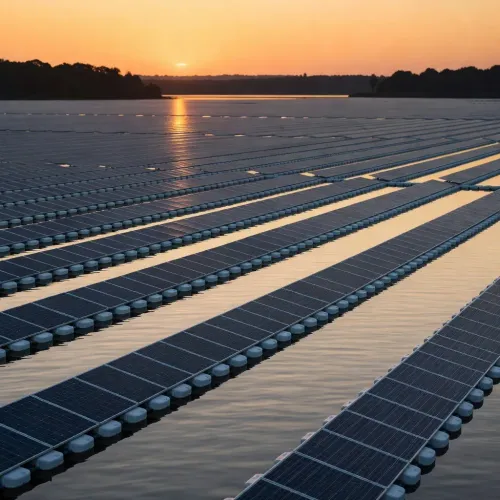
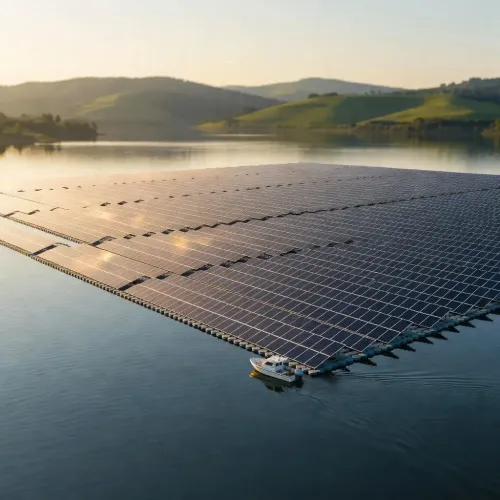
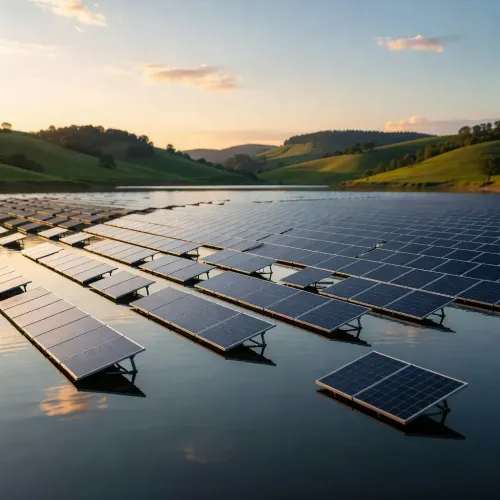
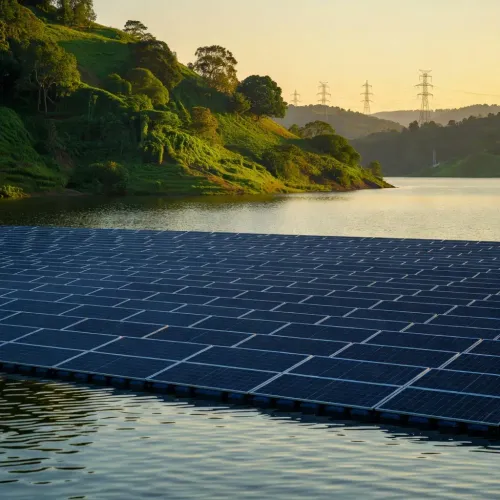
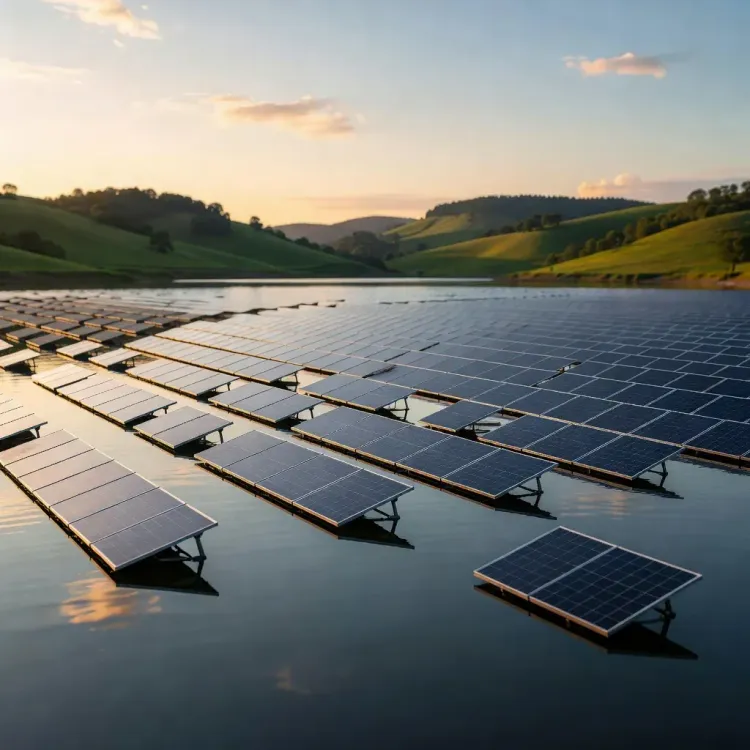
Floating solar sited on reservoirs and canals avoids land-use conflicts that stall ground-mounted projects.
The scheme advances India's 500 GW non-fossil fuel capacity pledge made at COP26 in 2021.
India's clean-energy ambition just got a concrete anchor: the Union Cabinet has approved the Pradhan Mantri Surya Sarovar Yojana (PM-SSY), a dedicated scheme to build 5,000 MW of floating solar photovoltaic capacity and at least 10,000 MWh of energy storage — backed by a budgetary outlay of ₹5,070 crore. Union Petroleum Minister Hardeep Singh Puri called it 'a historic step of New India towards an energy self-reliant Bharat' in a post on Friday, 31 July 2026.
Floating solar: the land-conflict fix India has been waiting for
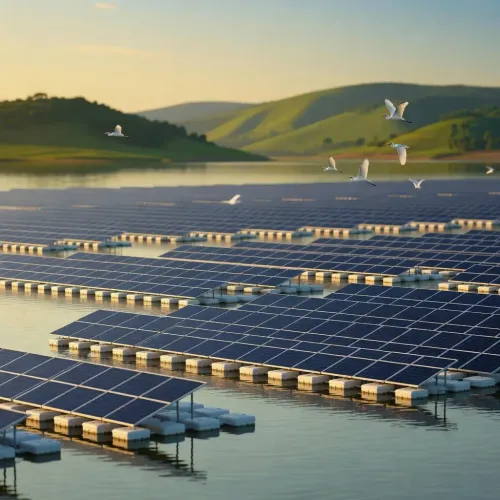
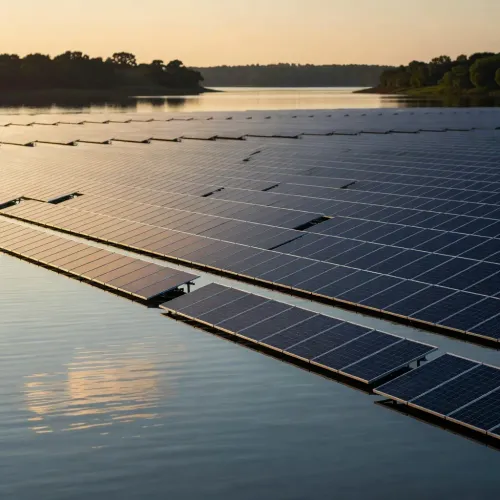
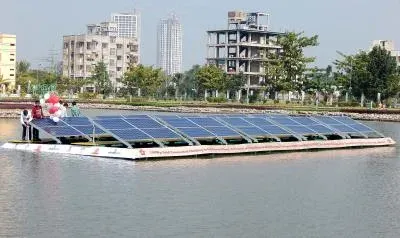
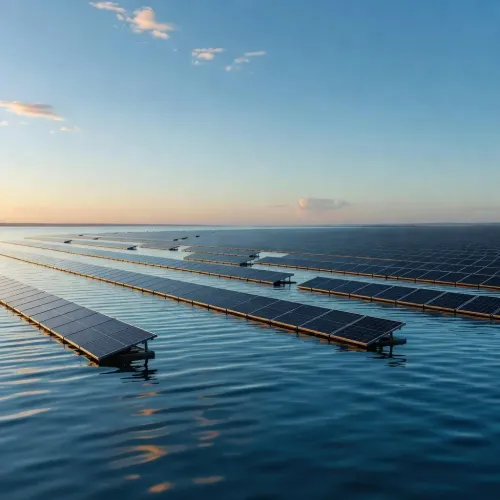
Conventional ground-mounted solar farms devour farmland and trigger local resistance — a persistent bottleneck in India's capacity-addition drive. Floating solar sidesteps that entirely by placing panels on reservoirs, lakes, and irrigation canals. The water surface does double duty: it cools the panels (boosting efficiency) while the shade from the panels reduces evaporation. With 5,000 MW targeted under PM-SSY, the scheme could meaningfully accelerate India's race toward its 500 GW non-fossil fuel capacity goal by 2030, pledged at COP26 in Glasgow in 2021.
The ₹5,070 crore bet on storage — and why that number matters
The scheme pairs generation with a mandatory 10,000 MWh storage floor — a deliberate design choice. Solar power is intermittent; without storage, the grid absorbs a midday glut and then scrambles at dusk. Bundling battery or pumped-hydro storage into the same scheme is a structural upgrade over earlier solar missions that largely left storage as an afterthought. The ₹5,070 crore central outlay is expected to crowd in additional private and state investment as project tenders are issued — likely through the Solar Energy Corporation of India (SECI) or state power utilities.
From Nehru's solar mission to Modi's Surya Sarovar
India's solar policy arc stretches back to the Jawaharlal Nehru National Solar Mission of 2010, which set the first serious capacity targets. Successive governments layered on schemes, subsidies, and auctions — and India's installed solar capacity has grown from negligible to one of the world's largest. PM-SSY is the latest chapter: it fits squarely within the Atmanirbhar Bharat framework, pushing domestic manufacturing of panels and storage systems rather than relying on imports. Puri framed the approval as reinforcing 'clean energy, energy security, and the resolve of Viksit Bharat' — the government's shorthand for a developed India by 2047.
The next signal to watch: which reservoirs get selected, and whether SECI issues tenders before the financial year closes. That will tell us whether PM-SSY is a policy statement or a project pipeline.
Point of View
It reinforces the BJP government's Atmanirbhar Bharat and Viksit Bharat narratives ahead of state elections, giving Puri — a minister whose portfolio spans fossil fuels — a visible clean-energy credential. The scheme also signals a deliberate pivot toward reservoir-based solar, which sidesteps the land-acquisition battles that have delayed several large ground-mounted projects. Whether PM-SSY becomes a genuine capacity driver depends on the speed and scale of SECI's tender pipeline.
NationPress
31 Jul 2026
Frequently Asked Questions
What is PM Surya Sarovar Yojana?
PM Surya Sarovar Yojana (PM-SSY) is a Union Cabinet-approved scheme to develop 5,000 MW of floating solar photovoltaic projects and at least 10,000 MWh of energy storage capacity across India, backed by a Rs 5,070 crore budgetary outlay.
What is the budget for PM Surya Sarovar Yojana?
The Union Cabinet has approved a budgetary provision of Rs 5,070 crore for the PM Surya Sarovar Yojana.
What is floating solar and why is it used in this scheme?
Floating solar refers to photovoltaic panels installed on water bodies such as reservoirs and canals. It avoids the land-use conflicts associated with ground-mounted solar farms, and the water surface helps cool panels, improving efficiency while reducing water evaporation.
How does PM-SSY contribute to India's 2030 renewable energy target?
India pledged 500 GW of non-fossil fuel capacity by 2030 at COP26 in 2021. The 5,000 MW floating solar target under PM-SSY contributes directly to closing that gap while the mandatory storage component improves grid reliability.
Who approved PM Surya Sarovar Yojana?
India's Union Cabinet — the country's highest executive decision-making body — approved the PM Surya Sarovar Yojana on 31 July 2026.