Puri Moved by Padma Awardees Serving Tribal India
Synopsis
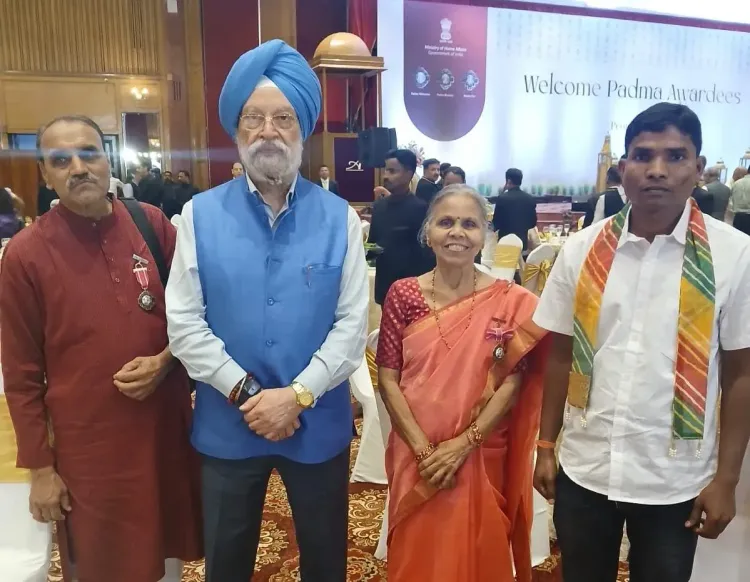
Union Petroleum Minister Hardeep Singh Puri attended Home Minister Amit Shah's event honouring Padma Awardees and shared a moving account of meeting Dr. Ramchandra Godbole and Smt. Sunita Godbole, an Ayurveda practitioner couple from Maharashtra who dedicated 37 years to tribal communities in Bastar and Abujhmad.
Key Takeaways
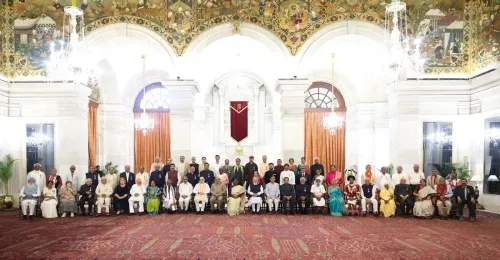
Union Petroleum Minister Hardeep Singh Puri attended a Padma Awardees felicitation event hosted by Home Minister Amit Shah on 27 May 2026 .
Ramchandra Godbole and Smt.
Sunita Godbole , originally from Maharashtra , have worked for 37 years in the tribal regions of Bastar and Abujhmad , Chhattisgarh.
Godbole is a practitioner of Ayurveda who has provided medical care, maternal and child support, and community outreach among tribal populations.
Puri cited a classical Sanskrit shloka on selfless service as the defining spirit of the awardees he met.
Under PM Narendra Modi , the Padma Awards have been reoriented toward grassroots changemakers and unsung contributors from rural and tribal India.
Bastar and Abujhmad are among India's most remote regions, historically underserved in public health infrastructure.
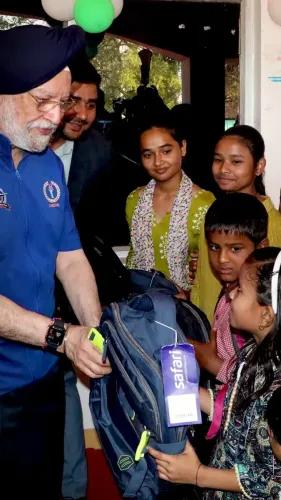
Union Petroleum Minister Hardeep Singh Puri on Wednesday, 27 May 2026 shared a deeply personal account of his interaction with Padma Awardees at an event hosted by Union Home Minister Amit Shah to honour recipients of India's highest civilian distinctions, expressing that he came away 'completely moved and overwhelmed.'
Context
Minister Puri opened his post with a classical Sanskrit shloka — 'Paropkaraaya phalanti vrikshaah, paropkaraaya vahanti nadyah' — which translates as: 'Trees give fruits for the benefit of others, rivers flow to nourish others, and cows give milk to feed others. Similarly, our human body is meant for the service of others.' He invoked the verse as the lens through which he interpreted the lives of the awardees he met.
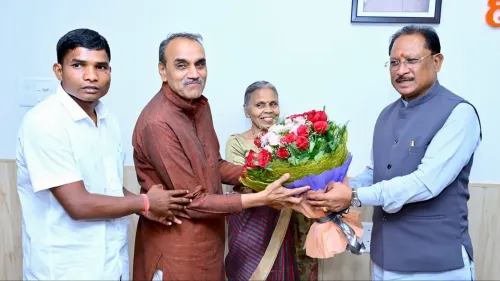
Among those he interacted with, Dr. Ramchandra Godbole and Smt. Sunita Godbole made the deepest impression. The couple, originally from Maharashtra, has spent 37 years living and working in the tribal regions of Bastar and Abujhmad in Chhattisgarh, among the most remote and underserved parts of the country.
Policy Backdrop
Bastar is a district with a predominantly tribal population that has historically faced limited access to public health services, while Abujhmad is a densely forested region inhabited by Particularly Vulnerable Tribal Groups with minimal infrastructure. Dr. Godbole, a practitioner of Ayurveda, and his wife Sunita Ji have provided medical care, health awareness, maternal and child support, and community outreach in these areas over more than three decades.
Since 2014, the selection process for Padma Awards has increasingly prioritised individuals working in rural and tribal areas, moving away from the earlier emphasis on celebrities and urban notables. The Ministry of Ayush has simultaneously promoted the integration of Ayurveda practitioners into public health delivery in tribal districts, making the Godboles' work emblematic of a broader policy direction.
Stakeholders and Impact
Minister Puri noted that the 'exemplary lives and unique experiences' of the awardees were 'evocative, hugely inspiring and, in more ways than one, based on the message of selflessness.' He described feeling the energy when the Godboles recounted their grassroots work — spanning medical care, maternal health, and community outreach among some of India's most vulnerable populations.
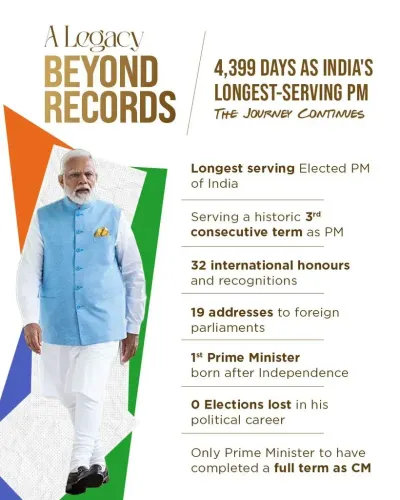
Puri also highlighted the evolution of the Padma Awards under Prime Minister Narendra Modi's leadership, describing them as having 'increasingly evolved into People's Awards honouring unsung heroes, grassroots changemakers, and individuals whose contributions profoundly shape lives and impact communities.' The framing positions the awards as a deliberate instrument of recognition for those outside elite networks.
What's Next
The government's focus on tribal welfare in Chhattisgarh is expected to remain a policy priority, with fresh health outreach guidelines for tribal districts anticipated in forthcoming Union Budget allocations and tribal welfare ministry notifications. The public celebration of figures like the Godboles by senior ministers reinforces the signal that grassroots health workers in conflict-affected and remote regions remain central to the administration's social messaging. The Padma Awards 2027 selection cycle, which opens nominations to the public, will be a further test of whether this orientation continues.
Point of View
The post also dovetails with the government's long-running push to mainstream traditional medicine in tribal public health delivery. Taken together, the post is as much a statement of governance philosophy as it is a personal tribute.
NationPress
24 Sept 2026
Frequently Asked Questions
Who are Dr. Ramchandra Godbole and Sunita Godbole?
Dr. Ramchandra Godbole is an Ayurveda practitioner and his wife Smt. Sunita Godbole are a couple originally from Maharashtra who have dedicated over 37 years to providing healthcare, maternal support, and community outreach among tribal communities in Bastar and Abujhmad in Chhattisgarh. They were honoured with a Padma Award.
What is the Padma Award and who gives it?
The Padma Awards are India's highest civilian honours, instituted in 1954 and conferred annually by the President of India on Republic Day for distinguished service across various fields including social work, medicine, arts, and public affairs.
Where are Bastar and Abujhmad?
Bastar is a district in the state of Chhattisgarh with a predominantly tribal population, and Abujhmad is a remote, forested sub-region within Chhattisgarh inhabited by Particularly Vulnerable Tribal Groups. Both areas have historically had limited access to public health services.
Why did Hardeep Puri post about the Padma Awards event?
Hardeep Singh Puri attended a felicitation event for Padma Awardees hosted by Home Minister Amit Shah and shared his personal experience of being inspired by the awardees, particularly the Godbole couple, whose decades of grassroots service in tribal India he found deeply moving.
How have Padma Awards changed under PM Modi?
Since 2014, the Padma Awards selection process has increasingly recognised unsung individuals from rural and tribal areas, grassroots volunteers, and traditional practitioners, moving away from the earlier pattern of honouring celebrities and urban notables.