Puri Highlights Green Hydrogen Train, Rajasthan Refinery as Energy Milestones

Synopsis
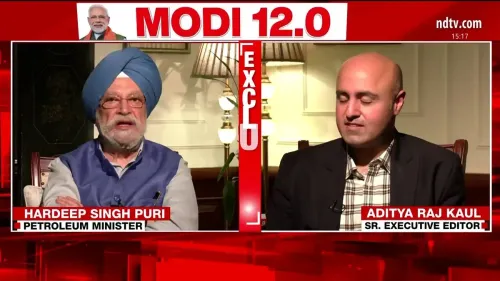
Union Petroleum Minister Hardeep Singh Puri on 20 July 2026 highlighted India's green hydrogen train and the Rajasthan Refinery as twin milestones of PM Modi's energy vision, posting during the Parliament Monsoon Session to underscore India's shift from energy vulnerability to global leadership.
Key Takeaways
Union Petroleum Minister Hardeep Singh Puri posted on 20 July 2026 during the Monsoon Session of Parliament citing two major energy milestones.
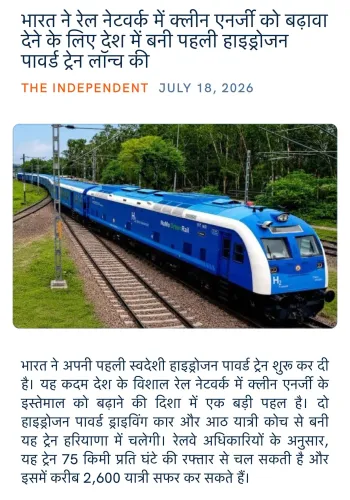
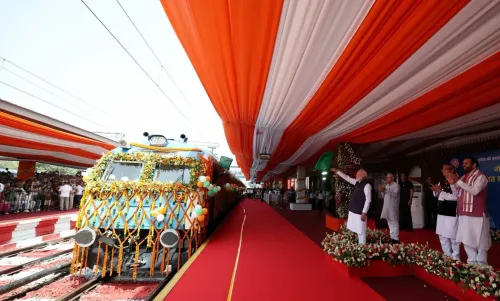
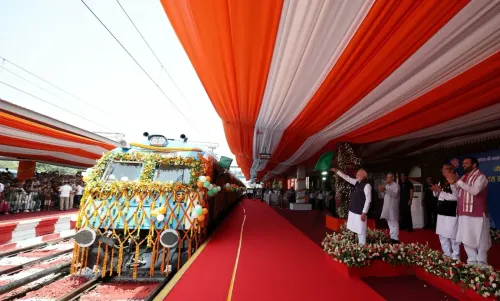
He referenced a green hydrogen train described as having the world's most powerful engine capacity and being the longest of its kind — though the exact ranking remains unverified.
The Rajasthan Refinery , an HPCL -led project, was cited as delivering 'unprecedented strength' to India's energy security.
Both projects align with India's National Green Hydrogen Mission (2023) and the refining capacity target of over 450 MMTPA by 2030 .
Puri attributed the energy momentum to PM Narendra Modi 's vision and framed India as setting new global examples in the energy sector.
Further commissioning timelines and budget allocations for hydrogen pilots are expected to be disclosed during or after the ongoing Parliament session.
Union Petroleum Minister Hardeep Singh Puri on Monday, 20 July 2026, invoked two landmark infrastructure developments — a green hydrogen train and the Rajasthan Refinery — to argue that India is now setting global benchmarks in energy, attributing the momentum to Prime Minister Narendra Modi's vision.
Posting in Hindi during the ongoing Monsoon Session of Parliament, Puri wrote: 'ऊर्जा के क्षेत्र में भारत अब इतिहास ही नहीं, भविष्य भी लिख रहा है' — 'In the field of energy, India is now writing not just history, but also the future.' He added that the country is establishing records 'one after another that are becoming a new example for the world.'
Context
The minister's post specifically cited two projects. First, a green hydrogen train described as carrying 'the world's most powerful engine capacity' and being 'the longest green hydrogen train' — a claim the government has been building toward under Indian Railways' decarbonisation push. Second, the Rajasthan Refinery, which Puri said is providing 'unprecedented strength' to India's energy security.
The post was shared with a video attachment, suggesting visual documentation of one or both projects, and was tagged #MonsoonSession and #ParliamentMonsoonSession, indicating the minister was contextualising these achievements for a parliamentary audience.
Policy Backdrop
The green hydrogen train reference sits within India's National Green Hydrogen Mission, launched in 2023, which targets large-scale production and deployment of green hydrogen across sectors including transport. Indian Railways has been among the early movers, piloting hydrogen fuel-cell technology as part of its net-zero ambitions.
The Rajasthan Refinery is an HPCL-led project designed to expand domestic refining capacity and reduce India's dependence on imported petroleum products. India has been working toward a refining capacity target of over 450 million metric tonnes per annum (MMTPA) by 2030, a goal that accelerated significantly after 2014. Together, the two projects represent India's dual-track energy strategy: scaling conventional refining while simultaneously investing in next-generation clean fuel technologies.
Stakeholders and Impact
The primary institutional stakeholders are Indian Railways, which would operate hydrogen-powered rolling stock, and oil and gas public sector undertakings, particularly HPCL, which anchors the Rajasthan Refinery. Renewable energy developers and hydrogen technology suppliers also stand to benefit from the policy direction Puri outlined.
For ordinary consumers, a stronger domestic refining base translates to greater fuel availability and reduced exposure to global crude price volatility. The hydrogen train, if scaled, could reduce diesel consumption on rail corridors and cut emissions — a tangible link between energy security and climate commitments under India's 2070 net-zero target.
What's Next
With Parliament in its Monsoon Session, further announcements on hydrogen train routes or the Rajasthan Refinery's commissioning timeline are possible on the floor of the House or through ministerial statements. Supplementary budget allocations for green hydrogen pilots remain a key variable to watch.
Puri's framing — positioning India as a country that has converted 'its biggest challenge' in energy security into a source of global leadership — signals that the government intends to use these milestones as a political and diplomatic asset in the months ahead.
Point of View
The minister signals that the BJP's energy policy is neither purely fossil-fuel-centric nor naively idealistic about renewables. The Monsoon Session hashtags are deliberate: they place these milestones on the record at a moment when Parliament scrutinises government performance. If commissioning timelines for either project slip, however, the same post could become opposition ammunition — making delivery, not just announcement, the real test of this narrative.
NationPress
21 Jul 2026
Frequently Asked Questions
What is the green hydrogen train India is developing?
India's green hydrogen train is an Indian Railways initiative to deploy hydrogen fuel-cell-powered rolling stock as part of the sector's decarbonisation drive. The government has described it as among the most powerful and longest hydrogen trains in the world, though independent verification of those rankings is pending.
What is the Rajasthan Refinery project?
The Rajasthan Refinery is an HPCL -led greenfield refinery project intended to expand India's domestic refining capacity and reduce dependence on imported petroleum products, contributing to the national target of over 450 MMTPA refining capacity by 2030 .
What is India's National Green Hydrogen Mission?
Launched in 2023 , the National Green Hydrogen Mission aims to scale up production and use of green hydrogen across sectors including transport, industry, and energy storage, supporting India's 2070 net-zero commitment.
Why did Hardeep Singh Puri post about energy milestones during the Monsoon Session?
Hardeep Singh Puri tagged his post with #MonsoonSession and #ParliamentMonsoonSession , placing these energy achievements on the parliamentary record at a time when the government's performance is under legislative scrutiny.
How does the Rajasthan Refinery improve India's energy security?
By adding domestic refining capacity, the Rajasthan Refinery reduces India's reliance on imported fuels, cushioning the economy from global crude price volatility and strengthening strategic fuel reserves.