Puri: India raised LPG output to shield 33 cr homes in energy crisis
Synopsis
Union Petroleum Minister Hardeep Singh Puri says India averted a cooking-gas crisis by raising domestic LPG production capacity from 35,000 to 54,000 metric tonnes per day and using diplomacy to free stranded vessels, keeping supply uninterrupted for over 33 crore households.
Key Takeaways
Union Petroleum Minister Hardeep Singh Puri said India's biggest energy crisis threatened not just fuel supply but cooking gas for every household.
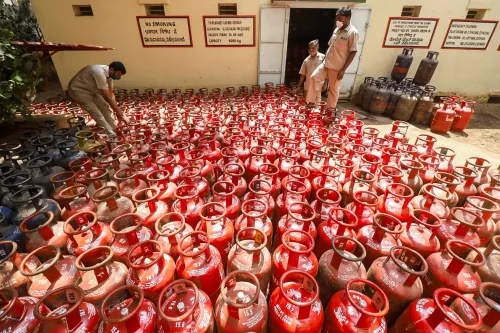
India has over 33 crore LPG connections ; a supply disruption would have affected virtually every family.
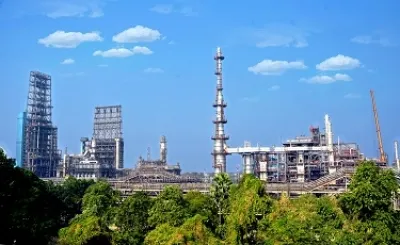
Domestic LPG production capacity was raised from 35,000 metric tonnes per day to 54,000 metric tonnes per day in a short span.
Diplomacy was used to secure the release of stranded vessels and protect import supply lines.
LPG supply remained continuous and uninterrupted throughout the crisis, according to Puri.
The capacity expansion builds on infrastructure investment and the Pradhan Mantri Ujjwala Yojana rollout since 2016.
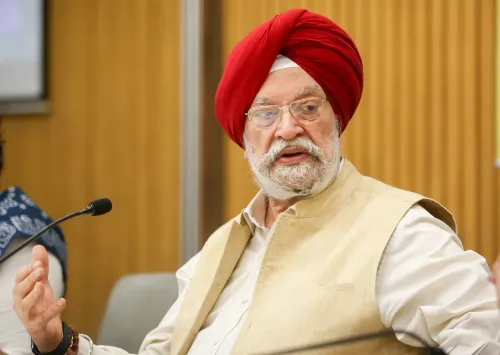
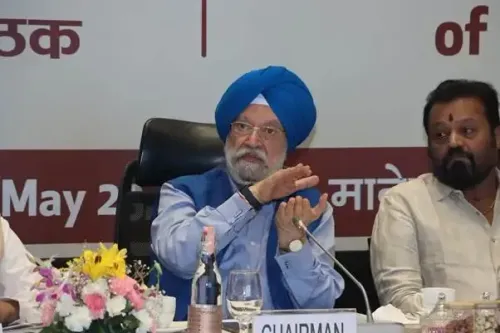
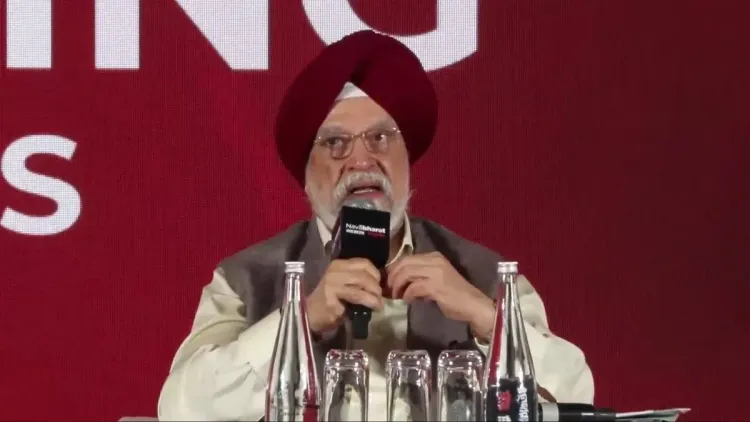
Union Petroleum Minister Hardeep Singh Puri said on Tuesday, 7 July 2026 that India averted a catastrophic cooking-gas shortage during what he called the biggest energy crisis of the 21st century, crediting Prime Minister Narendra Modi's foresight for keeping more than 33 crore LPG connections supplied without interruption.
Context
Posting in Hindi on X, Puri warned that the threat during the crisis was not limited to petrol and diesel: '21वीं सदी के सबसे बड़े ऊर्जा संकट का सबसे बड़ा खतरा केवल पेट्रोल-डीज़ल पर ही नहीं, बल्कि देश की हर रसोई पर भी थी' ('The biggest danger of the 21st century's greatest energy crisis was not only to petrol and diesel, but to every kitchen in the country'). He said that had LPG supply been disrupted, virtually every household in India would have been affected, given the country's base of over 33 crore connections.
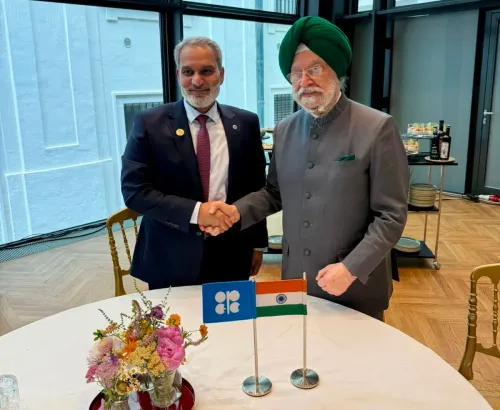
The minister said two parallel measures averted the crisis: effective diplomacy that secured the release of stranded vessels, and a rapid scaling of domestic LPG production capacity.
Policy Backdrop
India's LPG network was built in large part through the Pradhan Mantri Ujjwala Yojana, launched in May 2016, which extended subsidised cooking-gas connections to below-poverty-line households and drove the country's connection base to over 33 crore. The scheme made universal household access a policy priority, but it also raised the stakes of any supply disruption.
According to Puri, India responded by raising its domestic LPG production capacity from 35,000 metric tonnes per day to 54,000 metric tonnes per day in a short span — an increase of more than 54 per cent. The ministry has been progressively adding LPG bottling plants and import terminals since 2014 to reduce vulnerability to global supply shocks.
The broader context is the global energy disruption triggered by the Russia-Ukraine conflict from 2022 onwards, which strained liquid-fuel and cooking-gas supply chains worldwide. India pursued a twin-track strategy of domestic capacity expansion and diplomatic engagement with supplier nations to cushion the impact on consumers.
Stakeholders and Impact
With over 33 crore LPG connections, India is among the world's largest markets for cooking gas, and an unplanned supply cut-off would have hit rural and low-income households — the primary beneficiaries of Ujjwala Yojana — hardest. Puri's post underlines that supply continuity was maintained throughout the crisis period, with no interruption to distribution.
The diplomatic channel cited by the minister — securing stranded vessels — points to the role of India's foreign-policy engagements in protecting energy imports, a function that sits at the intersection of the petroleum and external affairs ministries.
What's Next
The petroleum ministry is expected to announce the next round of capacity-addition targets for LPG bottling infrastructure, as well as any new long-term supply contracts, in its annual review. With domestic capacity now at 54,000 metric tonnes per day, the focus is likely to shift to sustaining that output, diversifying import sources further, and extending the Ujjwala Yojana refill ecosystem to ensure affordability keeps pace with access.
Point of View
Framing a global crisis as a domestic governance success. By foregrounding the kitchen — rather than the fuel pump — he broadens the political salience of petroleum policy to every household, not just vehicle owners. The specific capacity figures (35,000 to 54,000 MT per day) serve as verifiable performance markers, a tactic the BJP has used consistently to defend its infrastructure record ahead of electoral cycles. The post also signals that the ministry views diplomatic engagement on energy security as a distinct, communicable achievement worth highlighting alongside hard infrastructure numbers.
NationPress
7 Jul 2026
Frequently Asked Questions
What did Hardeep Singh Puri say about India's LPG supply during the energy crisis?
Puri said India kept LPG supply uninterrupted for over 33 crore households by rapidly expanding domestic production capacity and using diplomacy to release stranded supply vessels during the 21st century's biggest energy crisis.
How much did India increase its LPG production capacity?
According to Puri, India raised its domestic LPG production capacity from 35,000 metric tonnes per day to 54,000 metric tonnes per day in a short period, an increase of more than 54 per cent.
How many LPG connections does India have?
India has more than 33 crore LPG connections, a base built significantly through the Pradhan Mantri Ujjwala Yojana launched in 2016 to extend cooking-gas access to poor households.
What is the Pradhan Mantri Ujjwala Yojana?
Pradhan Mantri Ujjwala Yojana is a government scheme launched in May 2016 that provides subsidised LPG connections to below-poverty-line households, and it is a key reason India now has over 33 crore connections.
What caused the global energy crisis Puri referred to?
The global energy disruptions Puri referenced are widely linked to the Russia-Ukraine conflict from 2022 onwards, which strained fuel and cooking-gas supply chains and forced India to accelerate domestic capacity expansion and diplomatic outreach.