Puri unveils India Energy Week 2027 in Kolkata
Synopsis
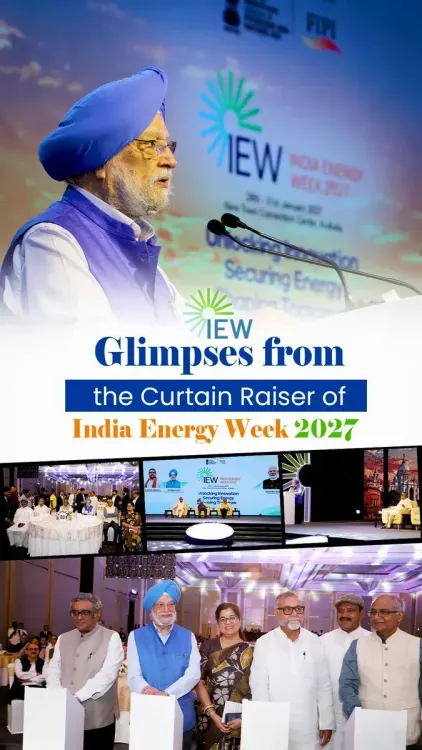
Union Petroleum Minister Hardeep Singh Puri has unveiled the curtain-raiser for India Energy Week 2027, a flagship global energy summit scheduled for Kolkata from 28-31 January 2027, expected to draw over 75,000 professionals and 700 international exhibitors to debate hydrogen, biofuels, LNG, AI and energy security.
Key Takeaways
India Energy Week 2027 (IEW2027) will be held in Kolkata from 28 to 31 January 2027 , as announced by Union Petroleum Minister Hardeep Singh Puri .
The event is billed as the world's second-largest energy gathering, with over 75,000 energy professionals and 700+ international exhibitors expected.
The agenda covers hydrogen, biofuels, LNG, AI, digitalisation, renewables and energy security — reflecting India's dual conventional-and-clean energy strategy.
The first India Energy Week was held in Bengaluru in February 2023 ; moving the 2027 edition to Kolkata broadens the event's geographic reach.
India is positioning IEW2027 as a platform to shape global energy governance, alongside forums such as the G20 and the International Energy Agency.
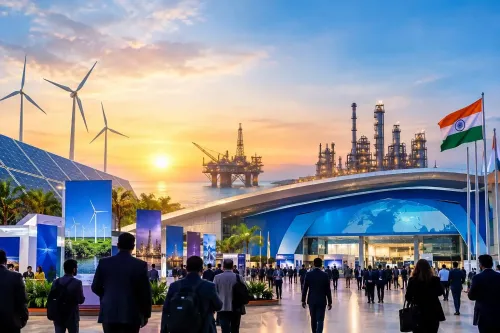
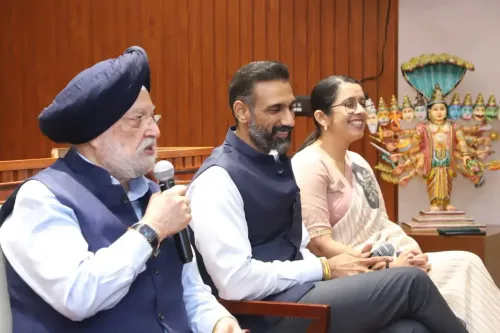
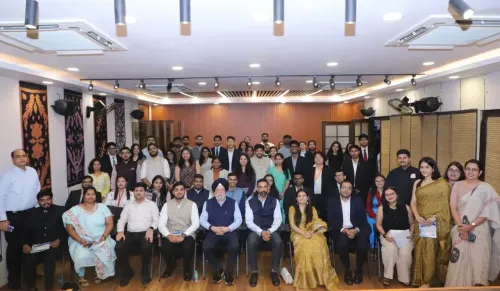
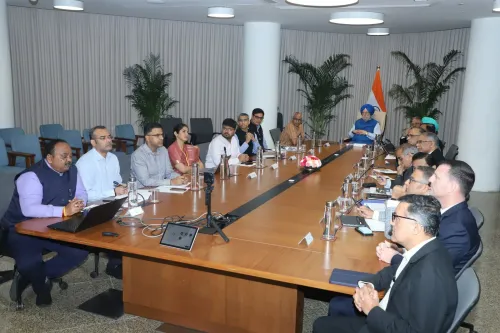
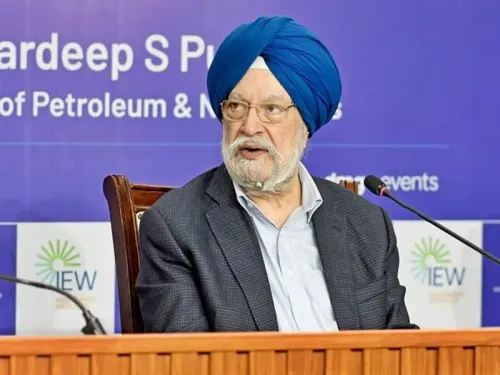
India is not simply racing to keep its lights on — it is bidding to write the global rulebook on energy's future. Union Petroleum Minister Hardeep Singh Puri on Tuesday, 29 September 2026, unveiled the curtain-raiser for India Energy Week 2027 (IEW2027), set to be held in Kolkata from 28 to 31 January 2027, positioning the event as a centrepiece of India's ambition to shape — not merely participate in — the worldwide energy conversation.
Posting on X, the minister framed India's intent in three sharp lines: 'Unlocking Innovation. Securing Energy. Shaping Tomorrow.' — underscoring that the country's energy agenda now spans hydrogen, biofuels, LNG, artificial intelligence, digitalisation, renewables and emerging technologies. The event is billed as the world's second-largest energy gathering, with organisers expecting 75,000-plus energy professionals and 700-plus international exhibitors to converge on Kolkata.
From Bengaluru to Kolkata: IEW grows its footprint
India held the first edition of India Energy Week in Bengaluru in February 2023, using it to showcase the country's energy-transition roadmap and attract global investment at a moment when the world was renegotiating its fossil-fuel dependencies. Moving the 2027 edition to Kolkata signals a deliberate effort to broaden the event's geographic reach and draw eastern India — and Bangladesh, Nepal and Myanmar's energy corridors — deeper into the conversation.
The Ministry of Petroleum and Natural Gas, which organises the event, has steadily elevated IEW into a platform that rivals long-established international energy forums. Hosting it in a city that sits at the crossroads of South and Southeast Asian energy trade only amplifies that ambition.
Hydrogen, biofuels, AI: the agenda India wants to set
The minister's post reads like a menu of the technologies that will define energy geopolitics through the 2030s: green hydrogen, advanced biofuel blending, LNG infrastructure, AI-driven grid management and large-scale renewables. India's dual strategy — expanding conventional hydrocarbon supply while simultaneously sprinting toward net-zero by 2070 — makes it one of the few large economies whose energy choices carry weight for both the developing and the developed world.
IEW2027 is expected to serve as a platform for announcements on India's national hydrogen mission progress and updated biofuel blending targets, though final agenda details are yet to be confirmed. What is clear is that New Delhi sees large international energy summits — alongside forums such as the G20 — as instruments of energy diplomacy, not just industry networking.
What Kolkata's selection means for the eastern energy corridor
Choosing Kolkata is itself a policy statement. The city is the natural gateway for pipelines, LNG terminals and renewable grids that could eventually connect India's northeast, Bangladesh and Myanmar. Staging a 75,000-delegate global energy event here sends a signal to investors and trading partners that India's energy ambitions are not confined to its western industrial heartland.
The curtain-raiser video shared by Puri is designed to build momentum seventeen months ahead of the event — an unusually long runway that reflects both the scale of the undertaking and the government's intent to make IEW2027 the loudest energy conversation of that calendar year.
Seventeen months out, the countdown to Kolkata has already begun — and India has made clear it intends to be the one holding the microphone.
Point of View
Not just a rule-taker, in global energy governance. Selecting Kolkata over established western hubs like Mumbai or Bengaluru signals an eastward pivot that aligns with India's Act East policy and its growing interest in South and Southeast Asian energy connectivity. The seventeen-month promotional runway suggests the government views IEW2027 not merely as an industry event but as a geopolitical statement ahead of critical international climate and energy negotiations. Watch for parallel policy announcements — particularly on the national hydrogen mission and biofuel blending targets — timed to coincide with the summit's momentum.
NationPress
30 Sept 2026
Frequently Asked Questions
What is India Energy Week 2027?
India Energy Week 2027 (IEW2027) is a flagship global energy summit organised by India's Ministry of Petroleum and Natural Gas, scheduled to be held in Kolkata from 28 to 31 January 2027. It is expected to bring together over 75,000 energy professionals and 700 international exhibitors to discuss hydrogen, biofuels, LNG, AI, renewables and energy security.
Where will India Energy Week 2027 be held?
IEW2027 will be held in Kolkata, making it the second major city to host the event after the inaugural edition was held in Bengaluru in February 2023.
When is India Energy Week 2027?
India Energy Week 2027 is scheduled from 28 to 31 January 2027 in Kolkata.
What topics will India Energy Week 2027 cover?
The event is expected to cover hydrogen, biofuels, LNG, artificial intelligence, digitalisation, renewable energy, emerging technologies and energy security, with global industry leaders and policymakers debating solutions.
Who is organising India Energy Week 2027?
India Energy Week 2027 is organised by the Ministry of Petroleum and Natural Gas, headed by Union Minister Hardeep Singh Puri, who unveiled the event's curtain-raiser on 29 September 2026.