Puri reaffirms India's elephant conservation pledge on World Elephant Day
Synopsis
On World Elephant Day 2026, Union Petroleum Minister Hardeep Singh Puri reaffirmed India's commitment to securing elephant corridors and preserving natural habitats, echoing the policy legacy of the 1972 Wildlife Act and Project Elephant launched in 1992.
Key Takeaways
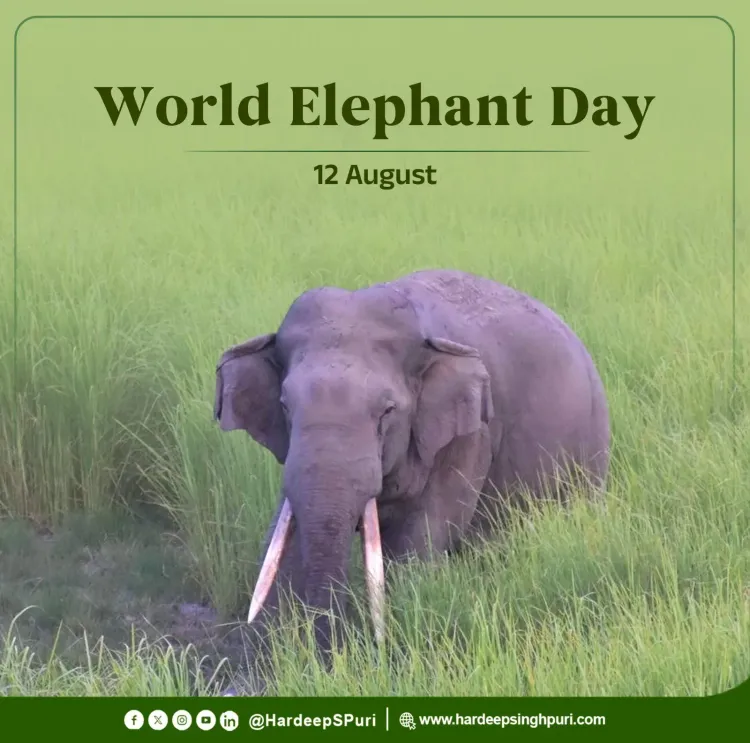
World Elephant Day is observed annually on 12 August to raise global awareness about elephant conservation.
Minister Hardeep Singh Puri pledged to secure traditional elephant corridors and preserve natural landscapes.
India's Wildlife (Protection) Act, 1972 provides the foundational legal safeguard for elephants.
Project Elephant , launched in 1992 , is the primary centrally sponsored scheme protecting elephants and their migratory corridors.
Habitat fragmentation and human-elephant conflict remain the central challenge for large-mammal conservation in India.
The next elephant population estimates and corridor notifications from the Environment Ministry will be the real test of these commitments.
Every year on 12 August, the world pauses to reckon with a species that has shaped civilisations — and Union Petroleum Minister Hardeep Singh Puri used World Elephant Day 2026 to restate India's long-standing commitment to keeping elephant corridors intact and their landscapes undisturbed.
A pledge rooted in decades of policy
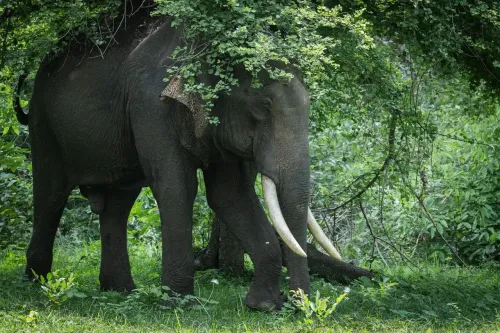
India's conservation architecture for elephants is not new. The Wildlife (Protection) Act of 1972 gave elephants their first robust legal shield. Two decades later, Project Elephant — launched in 1992 as a centrally sponsored scheme — extended that protection to habitats and the traditional migratory corridors that elephants have used for centuries. Puri's post lands squarely within this lineage, stressing the need to 'secure their traditional corridors and preserve their natural landscapes.'
Why corridors are the real battleground
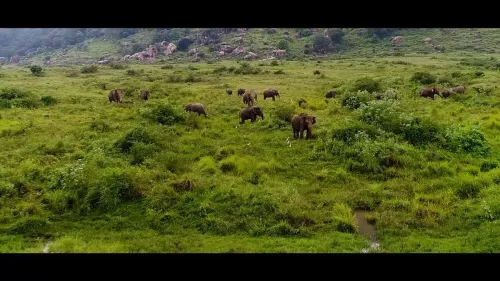
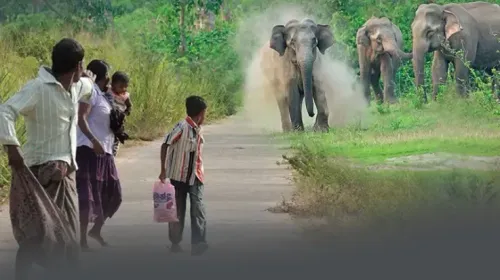
The phrase 'traditional corridors' carries weight. As roads, railways, and settlements fragment forest cover, elephants are increasingly pushed into conflict with human settlements — a tension that has made habitat connectivity the central challenge of large-mammal conservation in India. Protecting a corridor is not a symbolic act; it is the difference between a viable elephant population and an isolated, shrinking one. The minister's language acknowledges this reality without flinching from it.
Puri framed the moment within a broader arc: 'India's conservation journey is deeply connected with the well-being of our fauna.' That framing — linking national identity to wildlife stewardship — reflects a consistent strand in how the Indian government has communicated on biodiversity since the species-specific programmes of the 1970s began.
What conservationists and forest communities will watch next
Statements on international wildlife days are, by design, declaratory. The real measure will come from the Environment Ministry's next periodic elephant population estimates and any fresh notifications designating additional protected corridors. Forest communities living on the edges of elephant ranges — often the first to bear the cost of human-wildlife conflict — will be watching whether today's reaffirmation translates into on-ground corridor notifications and compensation frameworks.
India's elephant is more than a conservation subject — it is a barometer of whether the country's development momentum and its biodiversity commitments can genuinely coexist. Today's pledge sets the bar; the corridors will tell us if it holds.
Point of View
Not just an Environment Ministry brief. The emphasis on 'traditional corridors' signals awareness that habitat connectivity — not just reserve size — is now the frontier of large-mammal conservation policy. Declaratory statements on international wildlife days carry limited policy weight on their own, but they set a public benchmark against which future corridor notifications and conflict-mitigation budgets will be measured. The gap between this reaffirmation and the next Environment Ministry action on corridor protection will reveal whether the commitment is rhetorical or operational.
NationPress
27 Sept 2026
Frequently Asked Questions
What is World Elephant Day and when is it observed?
World Elephant Day is a global observance held every year on 12 August to raise awareness about the threats facing elephants and the need for their conservation.
What is Project Elephant in India?
Project Elephant is a centrally sponsored scheme launched by the Indian government in 1992 to protect elephants, their habitats, and the traditional migratory corridors they depend on.
Why are elephant corridors important for conservation?
Elephant corridors are stretches of land connecting fragmented forest patches, allowing elephants to migrate safely. Without them, populations become isolated, genetic diversity drops, and human-elephant conflict rises sharply.
What did Hardeep Singh Puri say on World Elephant Day 2026?
Minister Hardeep Singh Puri reaffirmed India's commitment to protecting elephants by securing their traditional corridors and preserving natural landscapes, stating that India's conservation journey is deeply connected with the well-being of its fauna.
What law protects elephants in India?
The Wildlife (Protection) Act of 1972 provides the primary legal framework safeguarding elephants and other wild animals in India, prohibiting hunting and regulating their habitats.