Puri pays tribute to Veer Savarkar on Jayanti
Synopsis
Union Petroleum Minister Hardeep Singh Puri paid tribute to Vinayak Damodar Savarkar on his 28 May birth anniversary, calling him a fearless freedom fighter and crediting him with articulating the philosophy of Hindutva as a leader of the Hindu Mahasabha.
Key Takeaways
Union Petroleum Minister Hardeep Singh Puri posted a tribute to Veer Savarkar on his Jayanti, 28 May 2026 .
Puri described Savarkar as a 'fearless freedom fighter, committed nationalist, and social reformer.' Vinayak Damodar Savarkar (1883–1966) developed the concept of Hindutva and led the Hindu Mahasabha from 1937 to 1943.
The Port Blair airport was renamed Veer Savarkar International Airport in 2002 by an NDA government.
Annual Savarkar tributes by senior BJP ministers on 28 May have become a consistent feature of the party's official social-media calendar.
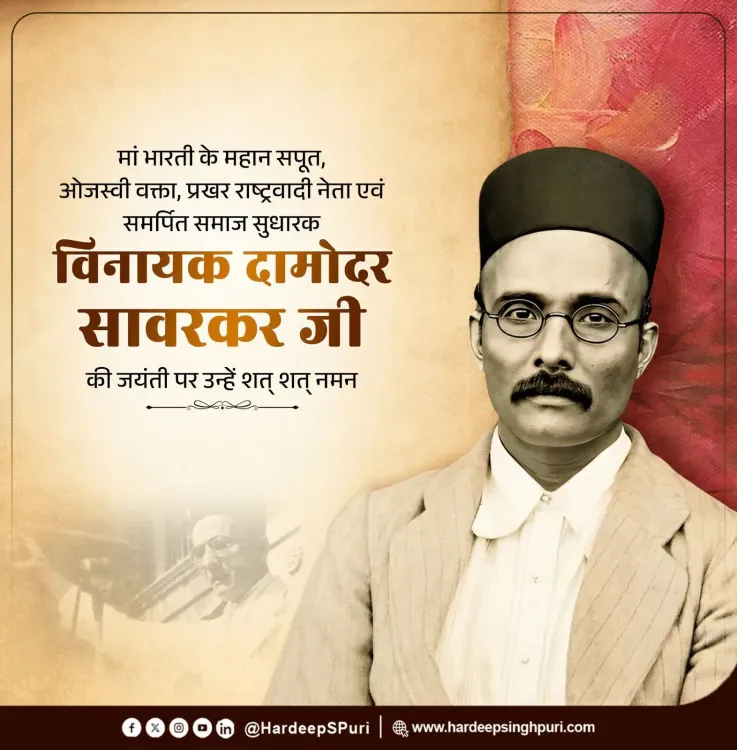
Puri's post included both English and Hindi text, offering saadar naman (respectful salutations) to Savarkar.
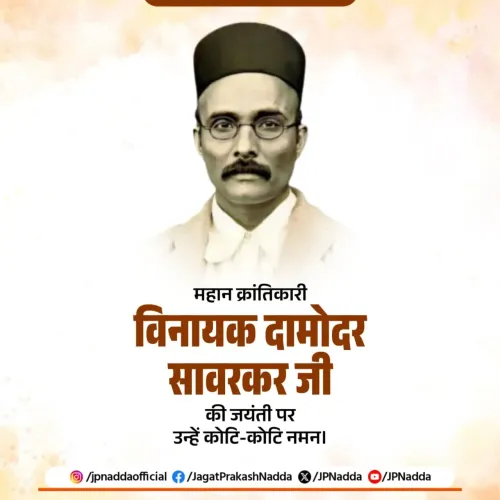
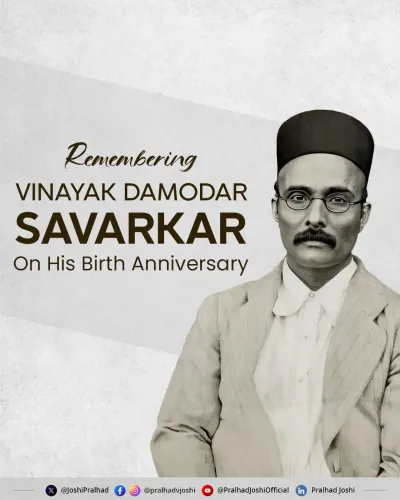
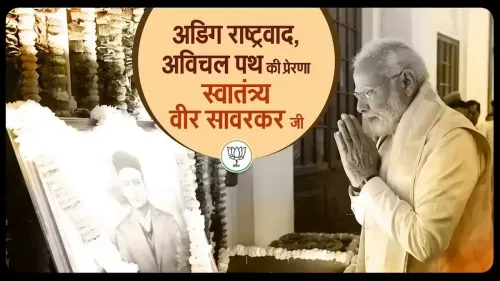
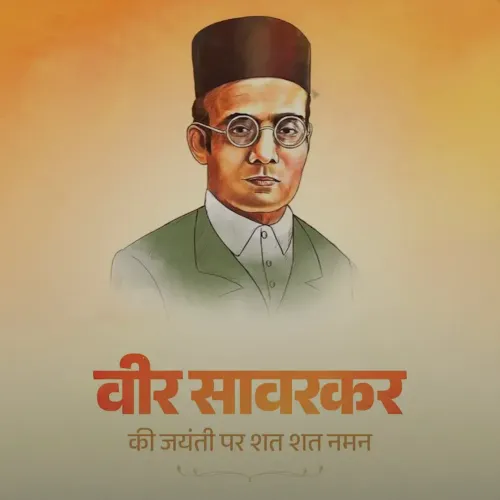
Union Petroleum Minister Hardeep Singh Puri on Thursday, 28 May 2026, paid tribute to Vinayak Damodar Savarkar on his birth anniversary, hailing the independence-era figure as a 'fearless freedom fighter, committed nationalist, and social reformer' who devoted his life to the service of the nation.
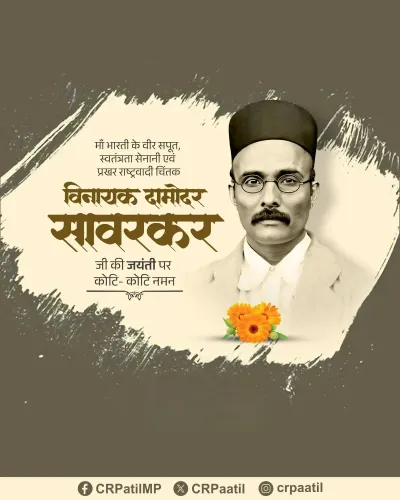
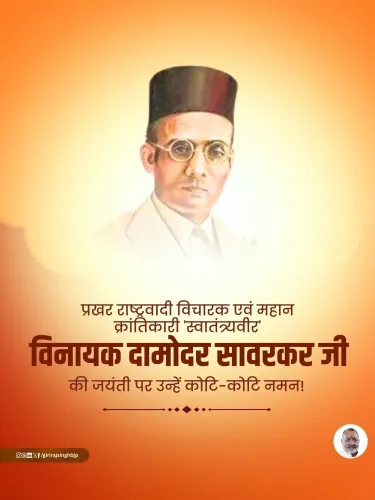
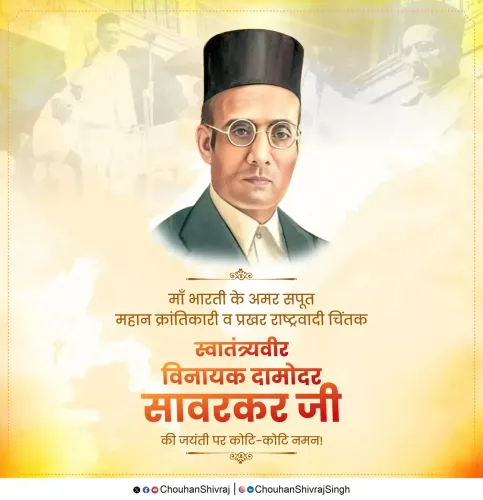
In his post on X, Puri wrote: 'Tribute to Krantiveer Sh Veer Savarkar Ji on his Jayanti. A fearless freedom fighter, committed nationalist, and social reformer, he devoted his life to the service of Bharat Mata. As a prominent leader of the Hindu Mahasabha, he played a significant role in articulating and advancing the philosophy of Hindutva.' In the Hindi portion, Puri offered his respectful salutation — 'सादर नमन' (respectful salutations) — to the 'eloquent orator and great revolutionary Swatantryaveer Vinayak Damodar Savarkar Ji' on the occasion of his Jayanti.
Context
Vinayak Damodar Savarkar (born 28 May 1883, died 26 February 1966) was an independence activist, prolific writer, and politician. He is widely credited with developing and systematising the concept of Hindutva — a term he coined in his 1923 political pamphlet — as a framework for Hindu cultural and political identity. His life spanned the revolutionary underground movement against British rule, years of harsh imprisonment at the Cellular Jail in Port Blair, Andaman and Nicobar Islands, and a long post-release political career.
Savarkar served as president of the Hindu Mahasabha, a Hindu nationalist political organisation, from 1937 to 1943. He used that platform to advance his ideological programme and remains one of the most contested figures in Indian nationalist historiography — celebrated by one tradition as a revolutionary hero and critiqued by another for his political positions in the final decade of British India.
Policy Backdrop
Savarkar's place in official commemoration has grown steadily under successive National Democratic Alliance (NDA) governments. In 2002, the NDA government renamed the main airport in Port Blair as Veer Savarkar International Airport, an early institutional marker of this shift. Senior ministers holding portfolios unrelated to culture or heritage — including Puri, whose brief covers the petroleum and natural gas sector — routinely participate in such commemorations, illustrating the integration of ideological messaging into standard government communication.
Annual tributes to Savarkar by BJP ministers on 28 May have become a consistent feature of the party's social-media calendar, positioning him alongside mainstream independence leaders in the BJP's articulation of the freedom struggle's legacy.
Stakeholders and Impact
The tribute carries significance for Hindutva advocates and BJP supporters who regard Savarkar as an underappreciated pillar of the independence movement. For them, such posts by senior Union ministers serve as official validation of his legacy. Conversely, critics and opposition voices have long argued that Savarkar's political philosophy and his relationship with the colonial administration warrant a more qualified assessment.
The broader pattern of ministers across portfolios participating in such commemorations reflects a deliberate effort to shape public memory of the freedom struggle — one that extends well beyond the culture ministry and into the full cabinet communications apparatus.
What's Next
Similar commemorative posts and events by other Union ministers and state BJP units are expected to follow on each Savarkar Jayanti. Observers will also watch whether Savarkar-linked themes surface in official Republic Day or Independence Day programming — moments that carry the weight of state endorsement rather than party communication. The consistency of these tributes suggests that Savarkar's place in the BJP's official commemorative calendar is firmly established for the foreseeable future.
Point of View
Puri's post goes beyond a generic ceremonial salutation and functions as an ideological positioning statement. This reflects a broader arc in which the NDA has systematically elevated Savarkar from a contested historical figure to an officially commemorated nationalist icon, through steps ranging from airport renaming to cabinet-level social-media tributes. The consistency of this practice across Jayanti cycles signals that it is institutional party communication, not individual ministerial discretion.
NationPress
19 Sept 2026
Frequently Asked Questions
When is Veer Savarkar Jayanti celebrated?
Veer Savarkar Jayanti is celebrated on 28 May each year, marking the birth anniversary of Vinayak Damodar Savarkar , who was born on 28 May 1883.
What is the philosophy of Hindutva associated with Savarkar?
Hindutva is a political and cultural ideology that Savarkar articulated in his 1923 pamphlet, framing Hindu identity as the basis of Indian nationhood. He developed it further through his leadership of the Hindu Mahasabha .
What role did Savarkar play in the Hindu Mahasabha?
Vinayak Damodar Savarkar served as president of the Hindu Mahasabha from 1937 to 1943 , using the platform to advance the ideology of Hindutva and articulate a Hindu nationalist political programme.
Why did Hardeep Singh Puri pay tribute to Veer Savarkar?
Hardeep Singh Puri posted the tribute on the occasion of Savarkar Jayanti, 28 May 2026 , in keeping with a consistent BJP practice of senior ministers commemorating Savarkar annually on his birth anniversary.
Is there any government monument or institution named after Veer Savarkar?
Yes. The main airport in Port Blair, Andaman and Nicobar Islands — where Savarkar was imprisoned in the Cellular Jail — was renamed Veer Savarkar International Airport in 2002 by the NDA government.