LSE-DU MoU: Radhakrishnan urges research for progress
Synopsis
A proposed research seed fund and training for Indian Economic Service officers are among the initiatives highlighted as LSE, the Delhi School of Economics and IEG pursue closer cooperation. Vice President C.P. Radhakrishnan said academic excellence must translate into social progress.
Key Takeaways
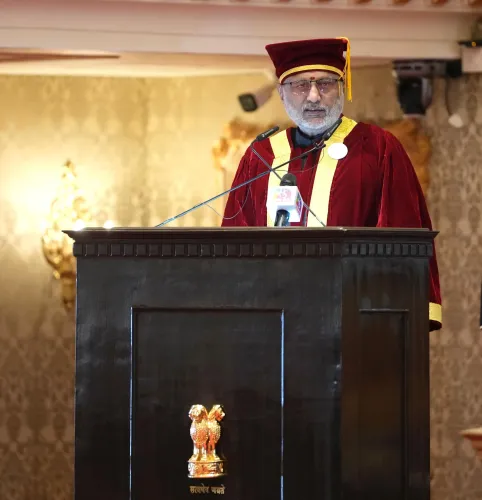
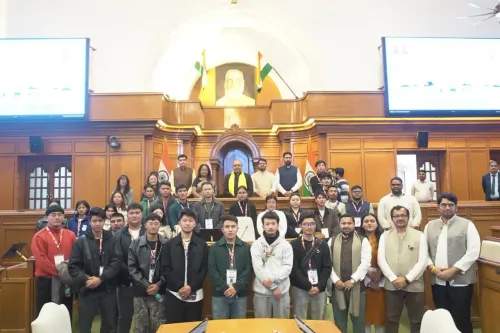
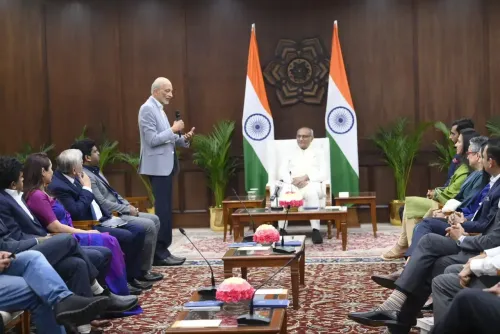
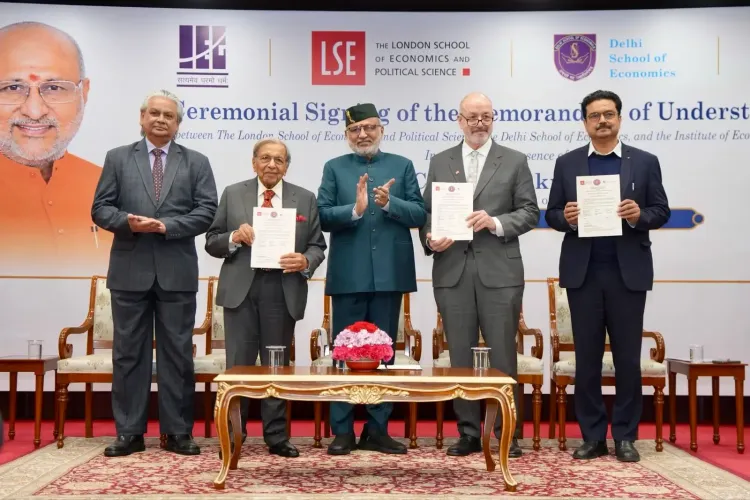
Radhakrishnan spoke at the MoU exchange ceremony in New Delhi on 24 November .
The collaboration involves LSE , the Delhi School of Economics and the Institute of Economic Growth .
Radhakrishnan welcomed a proposed joint research seed fund involving the three institutions.
IEG and LSE have proposed cooperation to enhance training for Indian Economic Service officers.
The identified research areas include artificial intelligence, sustainability, public policy, geopolitics and international trade.
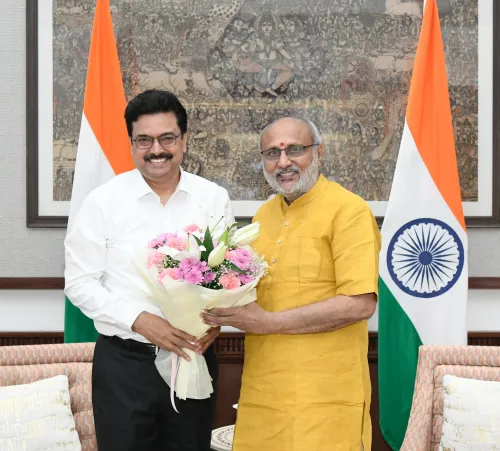
The LSE-DU MoU collaboration should turn academic excellence into social progress, Vice President and Delhi University Chancellor C.P. Radhakrishnan said at an exchange ceremony in New Delhi on 24 November. He urged young people to help lead India and humanity towards a better future.
The ceremony involved the London School of Economics and Political Science (LSE), the Delhi School of Economics and the Institute of Economic Growth (IEG). Radhakrishnan said the partnership would bring together research capabilities, academic expertise and policy experience to address economic and social challenges.
Collaboration across research and teaching
Radhakrishnan described the collaboration as an important milestone for the three institutions. He recalled discussions earlier in the year about fostering cooperation and said he was pleased that the idea had developed into institutional partnerships.
According to the Vice President, the proposed collaboration would enable academic exchanges, joint research, training programmes and student and faculty exchanges. He said these activities would create opportunities for mutual learning and knowledge creation.
He also welcomed a proposal for a joint research seed fund involving all three institutions. The source did not specify the proposed fund's size or when it would begin operating.
Policy priorities and economic training
The identified areas of collaboration include sustainability, artificial intelligence, public policy, geopolitics and international trade. Radhakrishnan said these subjects were relevant to contemporary challenges and expressed hope that the initiative would support young researchers, original scholarship and practical policy recommendations.
He highlighted a separate proposed collaboration between IEG and LSE to strengthen the training of Indian Economic Service officers. Exposure to international research and policy practices, he said, would further develop their professional capabilities.
The proposed activities span both research and training: joint projects could bring institutions together on shared questions, while exchanges would give students, faculty and officers opportunities to learn from different academic and policy settings.
Development and opportunities for youth
Radhakrishnan linked the partnership to the vision of Viksit Bharat@2047, saying development must be inclusive across sectors, regions and sections of society. He stressed that wealth creation should be accompanied by equitable distribution and that economic progress should improve people's quality of life.
He called on universities to strengthen their research capabilities and improve their global standing so that they can offer better opportunities to India's youth. He also urged students to make use of the opportunities available to them and contribute to national development.
Referring to the country's development journey under Prime Minister Narendra Modi, Radhakrishnan cited achievements in poverty alleviation, housing, rural electrification and tap water connectivity.
What comes next
The seed fund and the training collaboration were described as proposals; the source did not provide a timetable or implementation details for either initiative. The exchange ceremony followed earlier discussions among the institutions on cooperation.
Further details on the proposed fund, exchanges and training will determine how the institutions take the collaboration forward.
Point of View
But their scale and implementation remain unspecified. Public clarity on funding, access and outcomes will be essential to judge whether the collaboration delivers on its inclusive-development ambitions.
NationPress
24 Nov 2026
Frequently Asked Questions
What is the LSE-DU MoU collaboration about?
The collaboration brings together LSE, the Delhi School of Economics and the Institute of Economic Growth for proposed research, training and academic exchanges. Vice President C.P. Radhakrishnan spoke at the MoU exchange ceremony in New Delhi.
What did C.P. Radhakrishnan say about the partnership?
Radhakrishnan said academic excellence should translate into progress for society. He also called for inclusive development and better opportunities for India's youth.
Which subjects are included in the proposed collaboration?
The identified areas include sustainability, artificial intelligence, public policy, geopolitics and international trade. Radhakrishnan said they were relevant to contemporary challenges.
How could the partnership affect Indian Economic Service officers?
IEG and LSE have proposed a collaboration to enhance training for Indian Economic Service officers. Radhakrishnan said international exposure to research and policy practices would strengthen their professional capabilities.
When will the proposed joint research fund start?
A start date for the proposed joint research seed fund was not specified. Radhakrishnan welcomed the proposal involving all three institutions.