Rahul Gandhi, Akhilesh Yadav evicted from dharna near PM's residence
Synopsis
Police evicted Rahul Gandhi, Priyanka Gandhi Vadra, and Akhilesh Yadav from a sit-in outside the Prime Minister's residence — a dramatic escalation of the opposition's campaign over alleged exam paper leaks. With a Union Minister's talks breaking down and the Congress demanding a minister's resignation, the confrontation is set to intensify inside Parliament.
Key Takeaways
Rahul Gandhi , Priyanka Gandhi Vadra , and Akhilesh Yadav were forcibly removed by police from a dharna near Lok Kalyan Marg on 21 July .
The protest centred on alleged examination paper leaks and police action against student demonstrators on 20 July .
Union Minister Jitendra Singh held talks with Rahul Gandhi at the site; discussions remained inconclusive .
Congress demanded the resignation of Education Minister Dharmendra Pradhan and a parliamentary debate on exam leaks.
The opposition also called on PM Modi and Home Minister Amit Shah to apologise or resign over Monday's police action against students.
Support came from Sharad Pawar , Supriya Sule , and Arvind Kejriwal , signalling a broad multi-party front.
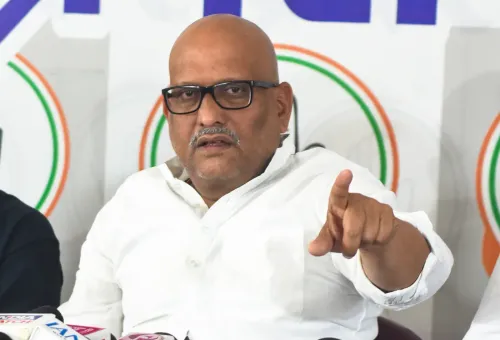
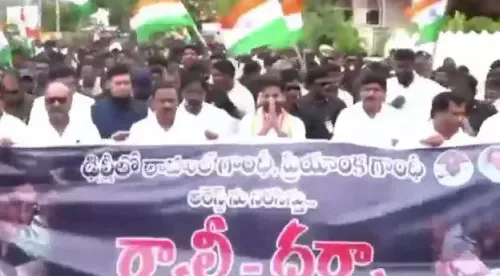
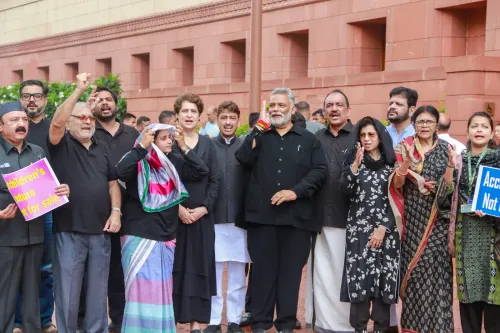
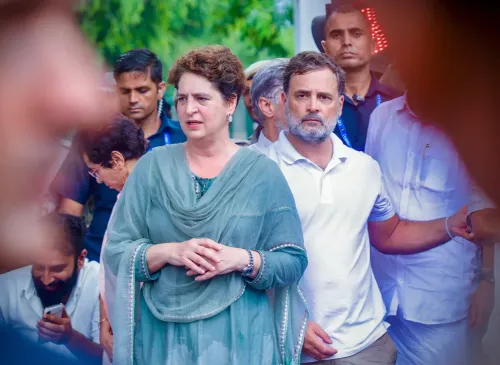
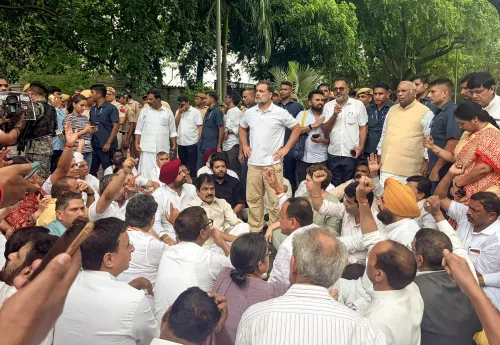
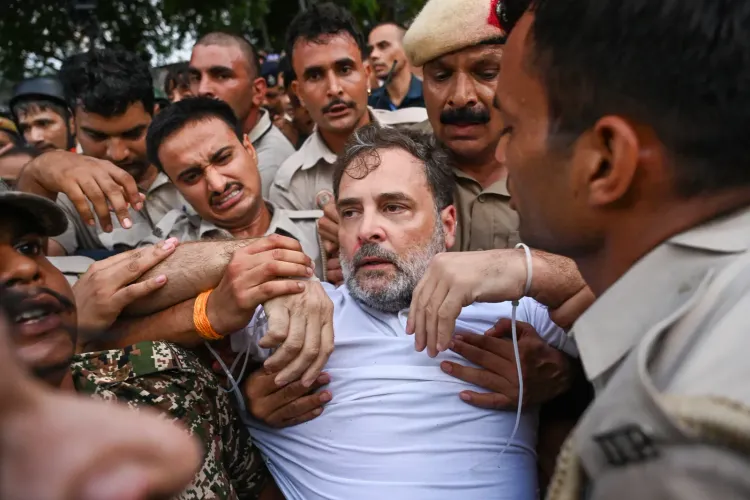
Leader of the Opposition Rahul Gandhi, Congress MP Priyanka Gandhi Vadra, and Samajwadi Party chief Akhilesh Yadav were forcibly removed by police from a dharna site near Prime Minister Narendra Modi's official residence on Lok Kalyan Marg, New Delhi, on Tuesday, 21 July, after a march demanding accountability over alleged examination paper leaks and police action against student protesters. The eviction marked a sharp escalation in the opposition's campaign on education-related grievances.
How the Eviction Unfolded
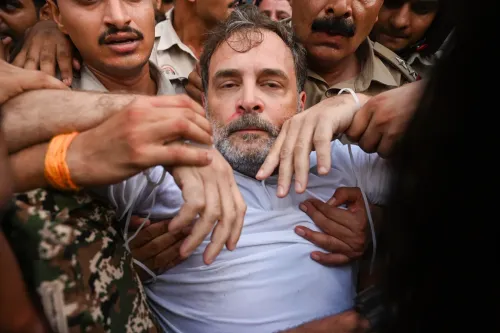
Rahul Gandhi sat on the road in an act of defiance, refusing to leave the protest site. He was surrounded by multiple police personnel before being escorted into a police vehicle alongside other opposition leaders. The demonstration had begun earlier in the day when Congress president Mallikarjun Kharge, Rahul Gandhi, and Priyanka Gandhi Vadra led party workers from Kharge's residence toward the Prime Minister's official home, intensifying the opposition's pressure campaign.
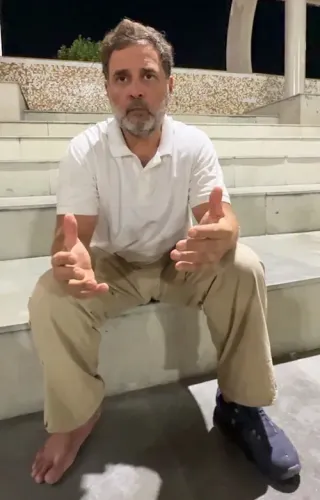
Before his detention, Rahul Gandhi appealed to citizens to join the dharna, stating: 'An attack on students is an attack on every Indian family.' He accused the government of failing to address concerns raised by student protesters.
Government Engages, Talks Remain Inconclusive
Union Minister of State in the Prime Minister's Office Jitendra Singh arrived at the protest site and met with Rahul Gandhi — a notable move signalling that the Centre was not entirely dismissing the opposition's outreach. However, Congress leaders said the talks yielded no resolution. The party maintained two firm preconditions: the resignation of Union Education Minister Dharmendra Pradhan and a dedicated parliamentary discussion on the alleged examination paper leaks.
Jitendra Singh, for his part, stated that the government was open to a Parliament debate on education issues. He alleged that the Congress subsequently added the minister's resignation as a fresh precondition, complicating any path to dialogue.
Broader Opposition Closes Ranks
The protest drew support well beyond the Indian National Congress (Congress). Nationalist Congress Party (Sharad Pawar faction) MP Supriya Sule, NCP(SP) president Sharad Pawar, and Aam Aadmi Party (AAP) leader Arvind Kejriwal all extended backing to the agitation, signalling that the issue has galvanised a wider opposition front. This comes a day after a students' march to Parliament on Monday, 20 July, was met with police intervention — an incident the Congress has demanded an apology or resignation over from both Prime Minister Modi and Home Minister Amit Shah.
What the Opposition Is Demanding
Congress MP Syed Naseer Hussain declared that the party would sustain its protest until all demands were met. Beyond Dharmendra Pradhan's resignation, the Congress has called for Modi and Shah to either apologise or step down over Monday's police action against student demonstrators. The opposition's dual focus — examination integrity and state response to protest — has framed this as an education and civil liberties issue simultaneously.
Context and What Comes Next
The agitation is rooted in widespread allegations that question papers for major competitive examinations were leaked, undermining the credibility of results that determine the futures of millions of students. The opposition has sought to convert student anger into a sustained political campaign. With talks inconclusive and opposition leaders detained, the standoff is likely to spill into Parliament proceedings in the coming days.
Point of View
Yet the talks collapsed on a precondition the Congress may have always intended as a non-starter. The deeper issue — credible allegations of mass examination fraud affecting millions of students — risks being overshadowed by the theatre of detention and counter-accusation. If Parliament does not hold a substantive debate, the opposition retains a potent street-level issue heading into the next session.
NationPress
20 Oct 2026
Frequently Asked Questions
Why were Rahul Gandhi and Akhilesh Yadav holding a dharna near the PM's residence?
They were protesting against alleged examination paper leaks and police action against student demonstrators who had marched to Parliament on 20 July. The opposition demanded accountability from the government on both counts.
What happened when police arrived at the protest site?
Police forcibly removed Rahul Gandhi, Priyanka Gandhi Vadra, Akhilesh Yadav, and several other opposition MPs from the dharna site. Rahul Gandhi had been sitting on the road refusing to leave before being escorted into a police vehicle.
Did the government respond to the protest?
Yes. Union Minister of State Jitendra Singh met Rahul Gandhi at the protest site, but talks remained inconclusive. The government indicated willingness for a parliamentary debate on education issues, while Congress insisted on Education Minister Dharmendra Pradhan's resignation as a precondition.
What are the Congress party's specific demands?
Congress demanded the resignation of Education Minister Dharmendra Pradhan, a dedicated parliamentary discussion on alleged exam paper leaks, and an apology or resignation from PM Modi and Home Minister Amit Shah over police action against student protesters.
Which opposition parties supported the protest?
Beyond the Congress, the protest was backed by Samajwadi Party chief Akhilesh Yadav, NCP(SP) president Sharad Pawar, NCP(SP) MP Supriya Sule, and AAP leader Arvind Kejriwal, reflecting a broad multi-party opposition front.