Rahul Gandhi demands Amit Shah face Parliament on student violence
Synopsis
Congress leader Rahul Gandhi on 30 July 2026 publicly challenged Home Minister Amit Shah to appear in Parliament and explain what he called 'brutal violence against students', framing the minister's silence as evidence of guilt in a sharp escalation of opposition pressure.
Key Takeaways
Rahul Gandhi on 30 July 2026 demanded Home Minister Amit Shah appear in Parliament to explain violence against students.
Gandhi's post called Amit Shah 'scared' and said the silence 'reeks of guilt' — language stronger than a standard procedural demand.
The Ministry of Home Affairs oversees central law enforcement but has historically cited state police jurisdiction in campus violence cases.
The challenge mirrors a pattern established during 2019-2020 CAA protests, when opposition pressed for ministerial statements on incidents at Jamia Millia Islamia and JNU .
No formal response from the Ministry of Home Affairs has been issued as of the time of publication.
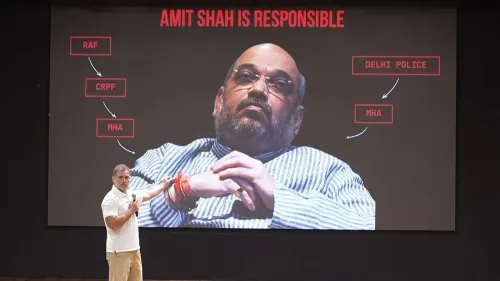
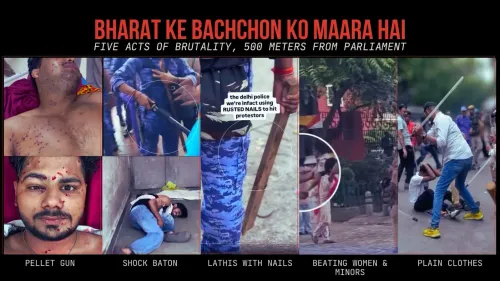
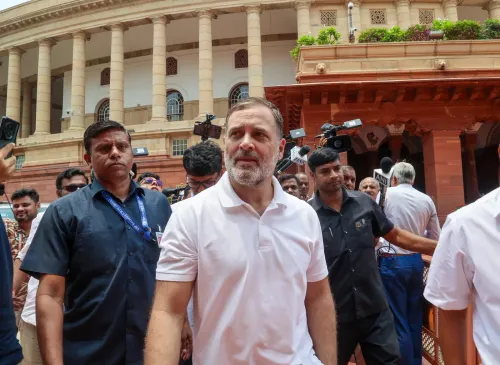
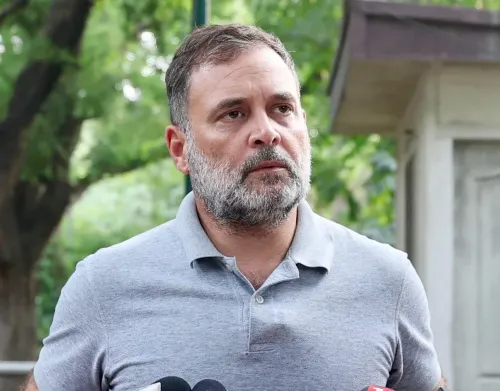
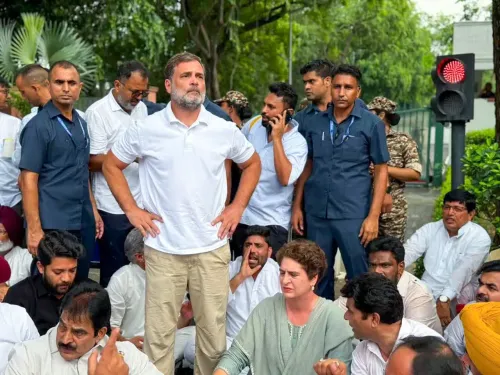
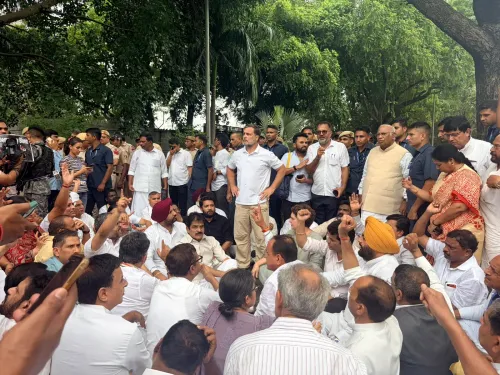
A pointed question from the Leader of the Opposition landed on Thursday, 30 July 2026, and it was aimed squarely at the top of the country's security establishment. Congress leader Rahul Gandhi publicly challenged Union Home Minister Amit Shah to appear before Parliament and account for what he called 'brutal violence against students' — and he did not stop at a demand. He called the Home Minister's silence a sign of guilt.
Posting on X, Gandhi wrote: 'Why is Amit Shah so scared of coming to Parliament and explaining the brutal violence against students? It reeks of guilt.' The language was deliberate — not a procedural request but a direct indictment, framing the Home Minister's absence from parliamentary debate as an admission rather than a scheduling matter.
The accountability argument at the heart of the challenge
The demand cuts to a recurring fault line in Indian parliamentary politics: who answers when force is used against students, and in which forum. The Ministry of Home Affairs oversees central law enforcement and coordinates with state police on internal security matters. Opposition leaders have long argued that when violence occurs in or around educational institutions — wherever the jurisdictional lines fall — the Home Minister carries a political and moral duty to face the House. The BJP-led government has historically responded to such demands by pointing to state police jurisdiction or invoking internal security protocols, a position that opposition benches reject as deflection. Gandhi's post fits squarely into that established pattern of pressure, but the framing — 'scared', 'reeks of guilt' — is sharper than procedural language, designed to shift the burden of proof publicly rather than inside a committee room.A pattern that stretches back years
This is not the first time campus violence has become a flashpoint between the Congress and the Home Ministry. During the 2019-2020 protests against the Citizenship Amendment Act, incidents at Jamia Millia Islamia and Jawaharlal Nehru University triggered fierce exchanges in Parliament, with opposition members demanding ministerial statements and the government defending police conduct. The current challenge echoes that template — opposition using the parliamentary podium, or the threat of it, as a site of accountability. The specific incident Gandhi references on 30 July 2026 has not yet been independently detailed in public record. What is clear is that he is pressing for a parliamentary explanation, not a press briefing or a written reply — a distinction that matters because floor statements carry a different weight of accountability. Whether the Home Minister responds on the floor of the House, issues a written statement, or stays silent will itself become part of the political story. In Parliament, the absence of an answer is never neutral.Point of View
He reframes a procedural demand as a character challenge, forcing the Home Minister to either respond or absorb the implication of silence. This fits a broader Congress strategy of using social media to set the parliamentary agenda before sessions, making the floor debate a secondary confirmation rather than the first move. The BJP's standard counter — that law and order is a state subject — is harder to deploy when the opposition has already framed non-appearance as an admission. How the Home Ministry chooses to respond, or not, will signal how the government intends to handle parliamentary pressure on internal security through the remainder of the session.
NationPress
30 Jul 2026
Frequently Asked Questions
Why is Rahul Gandhi asking Amit Shah to come to Parliament?
Rahul Gandhi is demanding that Home Minister Amit Shah appear in Parliament to explain what Gandhi describes as 'brutal violence against students'. Gandhi argues that the Home Minister's silence amounts to an admission of guilt.
What is Amit Shah's role in student protests or campus violence?
As Union Home Minister, Amit Shah oversees central law enforcement and internal security. Opposition leaders argue this makes him directly accountable to Parliament whenever force is used against students, regardless of whether state police were involved.
Has Amit Shah responded to Rahul Gandhi's challenge?
As of 30 July 2026, no formal response from Amit Shah or the Ministry of Home Affairs has been issued in reply to Gandhi's public challenge.
Is this the first time Congress has made this kind of demand?
No. A similar pattern occurred during the 2019-2020 protests against the Citizenship Amendment Act, when opposition leaders demanded ministerial statements on police action at Jamia Millia Islamia and JNU.
What can Parliament do about violence against students?
Parliament can summon ministers for statements, schedule debates, and raise the matter during Question Hour or Zero Hour. Opposition members can also move adjournment motions if they believe the issue is urgent enough to halt regular business.